CPAP Masks and Sleep Apnea Masks
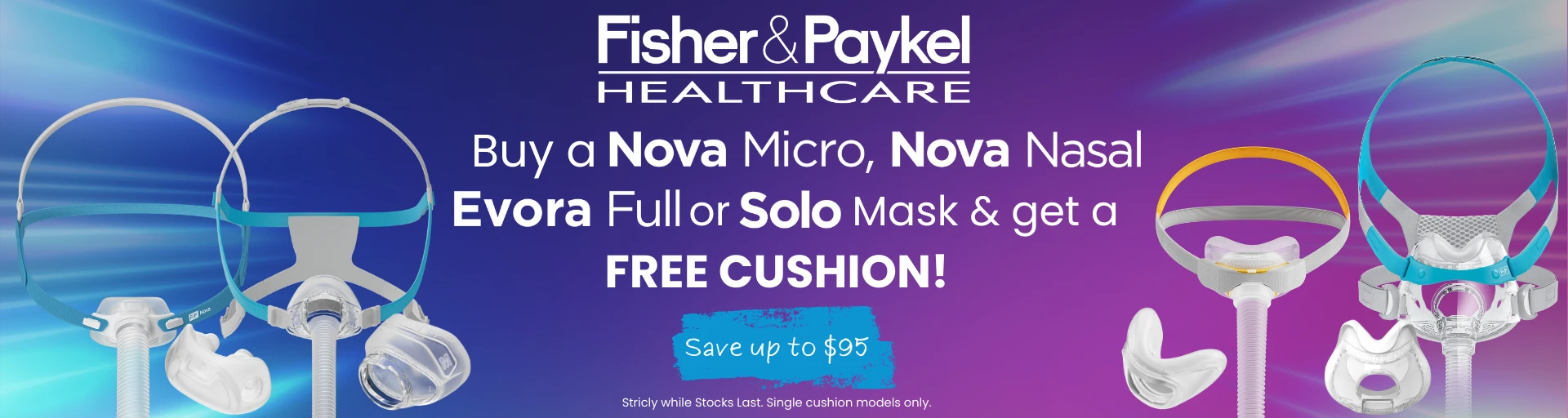
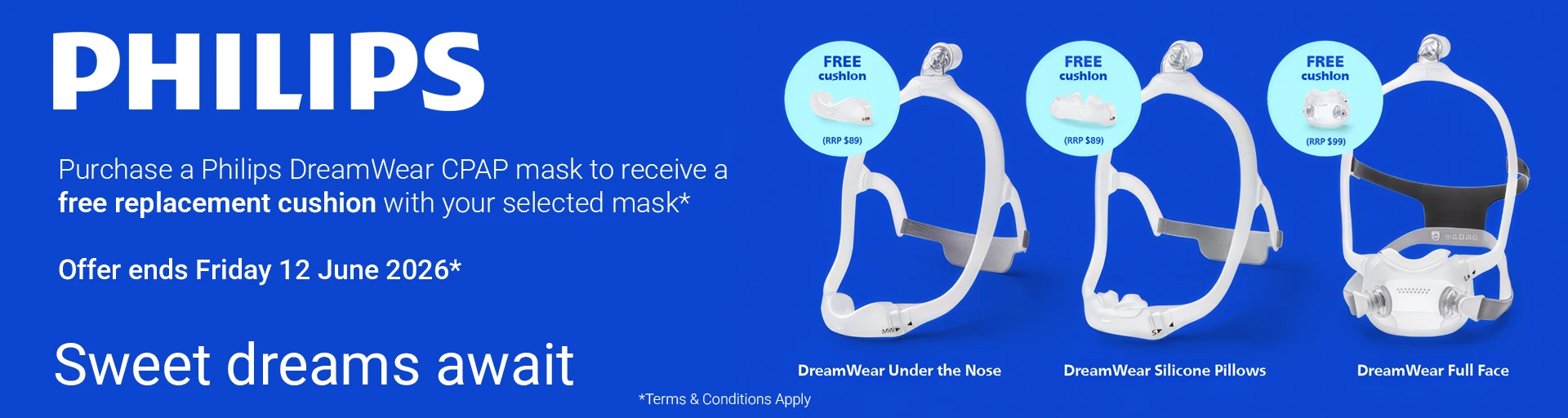
Finding the right CPAP mask is one of the most important steps in making therapy work long-term. A well-fitted mask that suits your sleeping style and breathing habits makes a real difference to comfort, compliance, and how quickly you settle into a routine. Browse below from ResMed, Fisher & Paykel, Philips Respironics, and BMC — with full face, nasal, nasal pillow, For Her, and paediatric options across a range of sizes and price points.
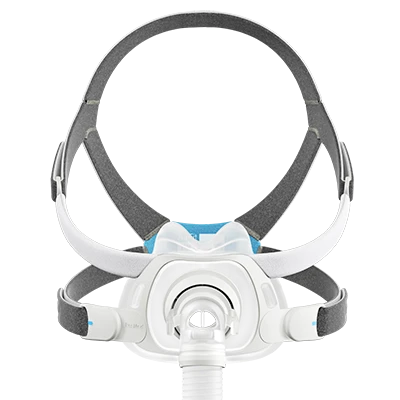
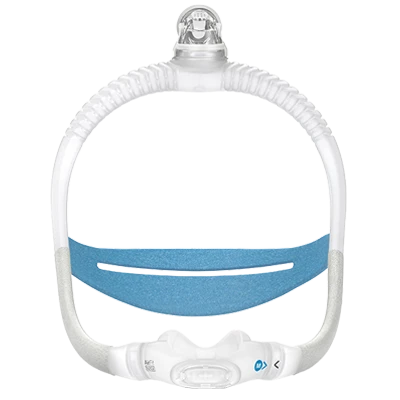
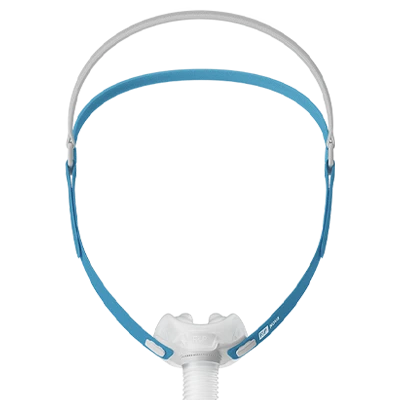
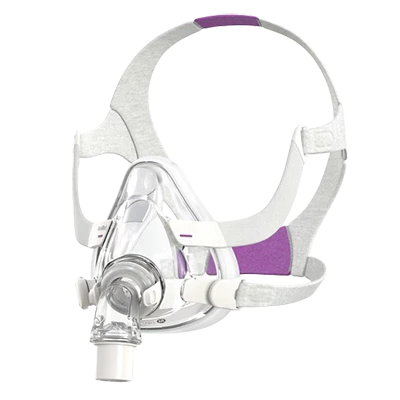
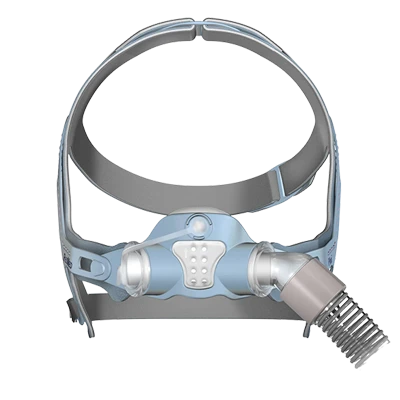
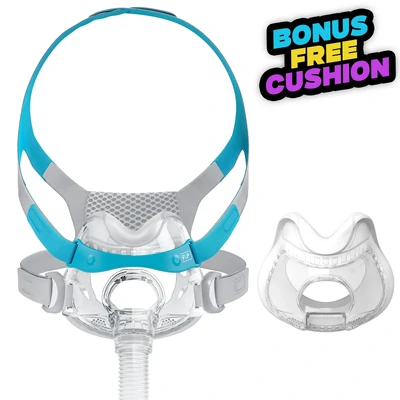
Fisher & Paykel Evora Compact Full Face Mask - BONUS Cushion
SKU: FPEVORAFULL_BC
From $149.00
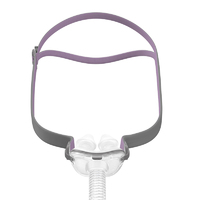
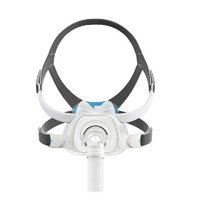
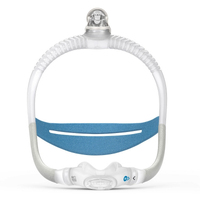
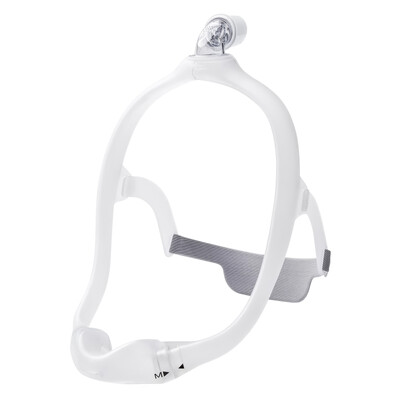
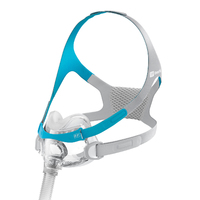
Fisher & Paykel Evora Compact Full Face Mask - Fit pack
SKU: FPEVF1XMLU
Now $149.00
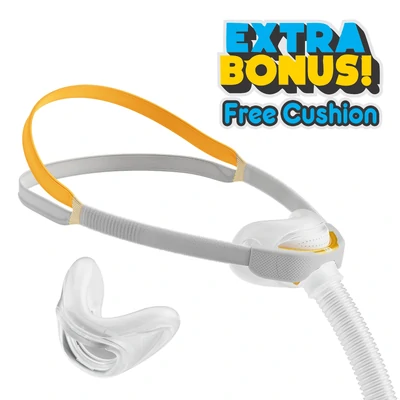
Fisher & Paykel Solo Nasal Mask with Bonus Cushion
SKU: FPSOLON_BC
Now from $159.00
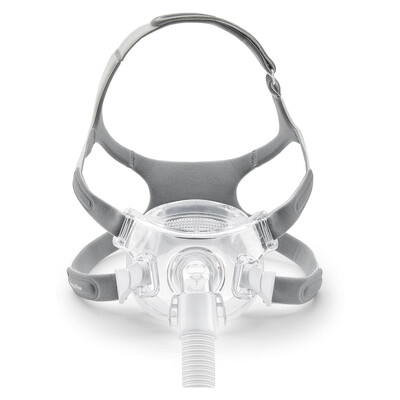

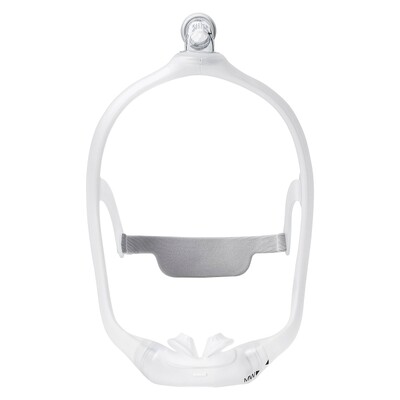
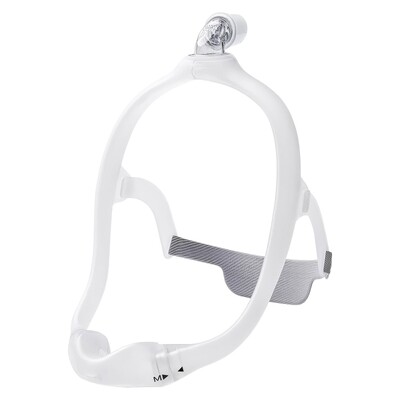
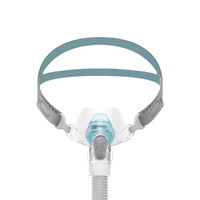

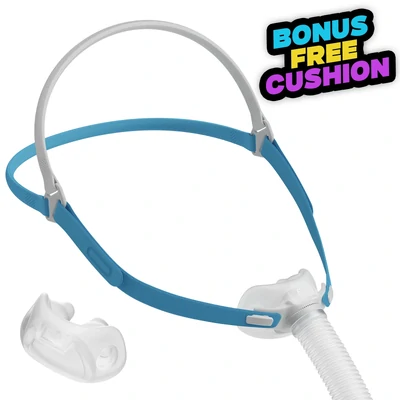
Fisher & Paykel Nova Micro Pillow Mask - BONUS Cushion
SKU: FPNOVAMICRO_BC
Now from $159.00
How to Choose the Right CPAP Mask
The single biggest factor in mask selection is how you breathe during sleep. From there, sleeping position and personal comfort narrow things down further.
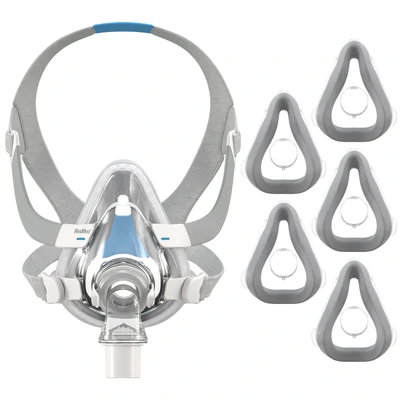
Mouth breathers need a full face CPAP mask. These seal over both nose and mouth, so pressurised air can't escape if your mouth opens during the night. They're also the most stable option under higher therapy pressures, which makes them a common recommendation from sleep specialists. If you've been told you need a full face mask but find traditional styles claustrophobic, newer minimal-contact designs like the ResMed AirFit F30i or F40 sit under the nose rather than over the bridge — worth comparing before you decide.
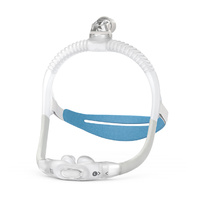
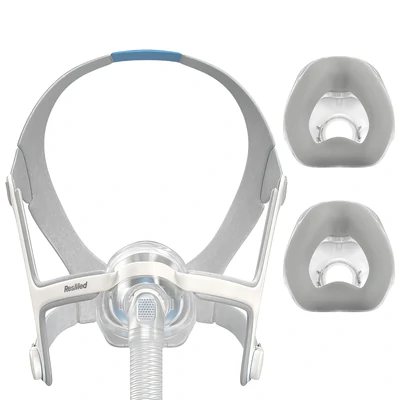
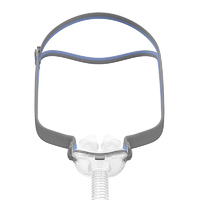
Nasal breathers have more options. Nasal masks fit over the nose only and strike a good balance between stability and comfort — they handle a wide pressure range well and tend to suit people who move around during sleep. Nasal pillow masks go further still, with small inserts that sit at the entrance to the nostrils. They have the least contact with your face, make it easy to read or watch TV before sleep, and are a popular starting point for people who've found larger masks uncomfortable. If you have facial hair, a nasal pillow or under-nose design will generally seal more reliably than a traditional nasal mask.
Women may find a better fit and comfort with For Her CPAP masks, which are engineered specifically around the contours of a woman's face — smaller frames, softer headgear, and refined sizing that standard masks can miss.
Still weighing up your options? Our guide to selecting the right CPAP mask covers each type in detail, including a comparison of comfort trade-offs by sleeping position.
Frequently Asked Questions
How often should I replace my CPAP mask?
Most manufacturers recommend replacing the cushion or seal every one to three months, and the full mask frame every six to twelve months — though this depends on how well you clean it and how your skin interacts with the silicone over time. Signs it's time to replace include visible cracking or discolouration, air leaking despite a proper fit, or skin irritation that wasn't there before. You can find replacement cushions and seals for all major mask models at CPAP Club without needing to buy the whole mask again.
What is the easiest CPAP mask to adjust to?
For most new users, nasal pillow masks have the shortest adjustment period. Their minimal footprint and low contact feel less intrusive than a full face or nasal mask, and many people find it easier to fall asleep without hardware covering most of their face. That said, if you breathe through your mouth at night, a nasal pillow mask won't work regardless of comfort — a full face mask is necessary. The right mask is the one that stays on all night and seals reliably; comfort without compliance doesn't help your therapy.
Can I use any mask with my CPAP machine?
Almost all CPAP masks connect via a standard 22mm hose connector, which means they're broadly compatible across brands and machine models. The main exception is the ResMed AirMini travel machine, which uses a proprietary connector and is only compatible with selected ResMed masks. If you're unsure whether a mask will work with your machine, our team can help confirm compatibility before you buy — see our CPAP care guide for further tips on getting the most from your equipment.