
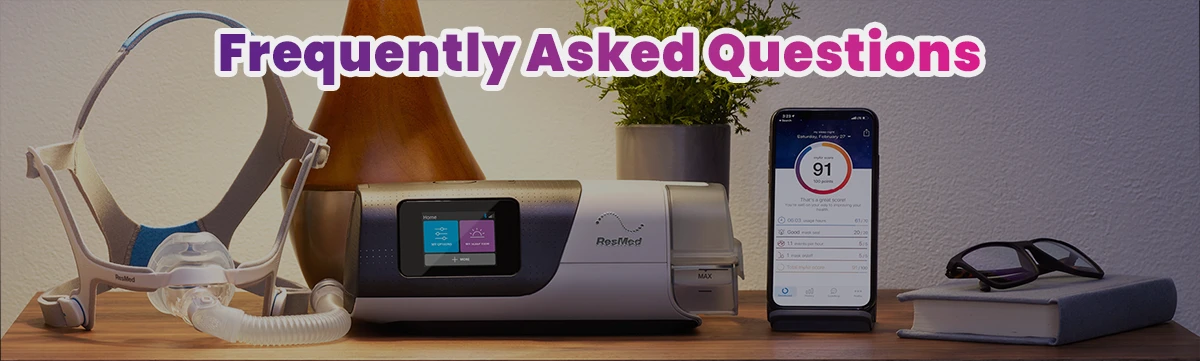
What are the different types of CPAP masks available?
There are three main types of CPAP masks, and generally they are available in most sizes.
Choosing the right CPAP mask is one of the most important steps in your therapy journey. The good news? There's a mask style to suit almost every sleeper. Here's what you need to know about each type:
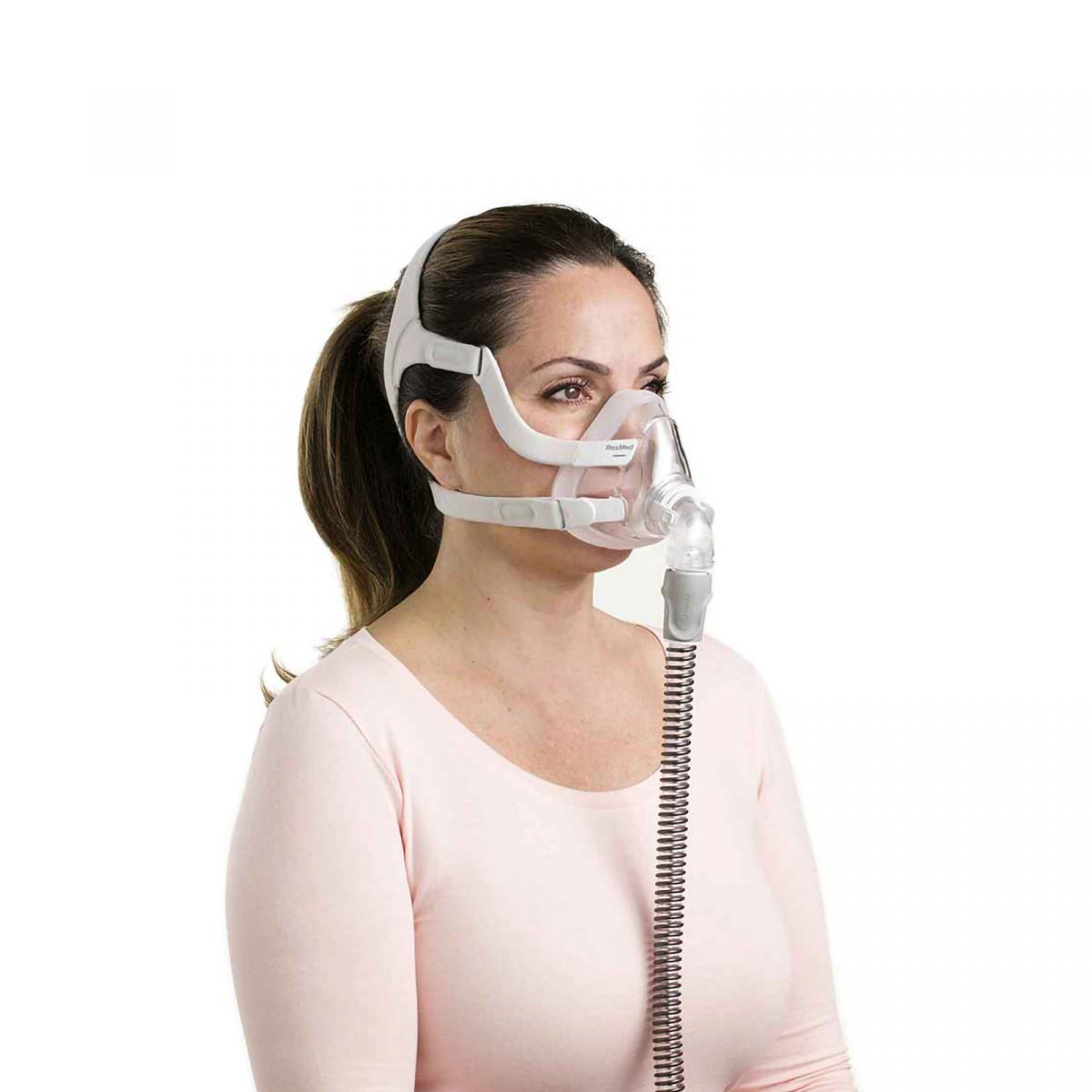
Full Face Masks
Cover both your nose and mouth, this is the only mask type that allows you to breathe through your mouth. Most of these masks sit from the bridge of your nose to your chin.
Pros:
- Ideal if you breathe through your mouth or are a mouth breather
- Great for higher pressure settings, as the seal is more secure
- A good option if you have nasal congestion or allergies
- Delivers consistent therapy even if your breathing pattern changes during sleep
Cons:
- Bulkier and less comfortable for some users
- More contact points on the face can cause pressure sores or skin irritation
- Can feel claustrophobic, especially for new users
- More difficult to read or watch TV before sleep
- Higher chance of air leaks if not fitted correctly
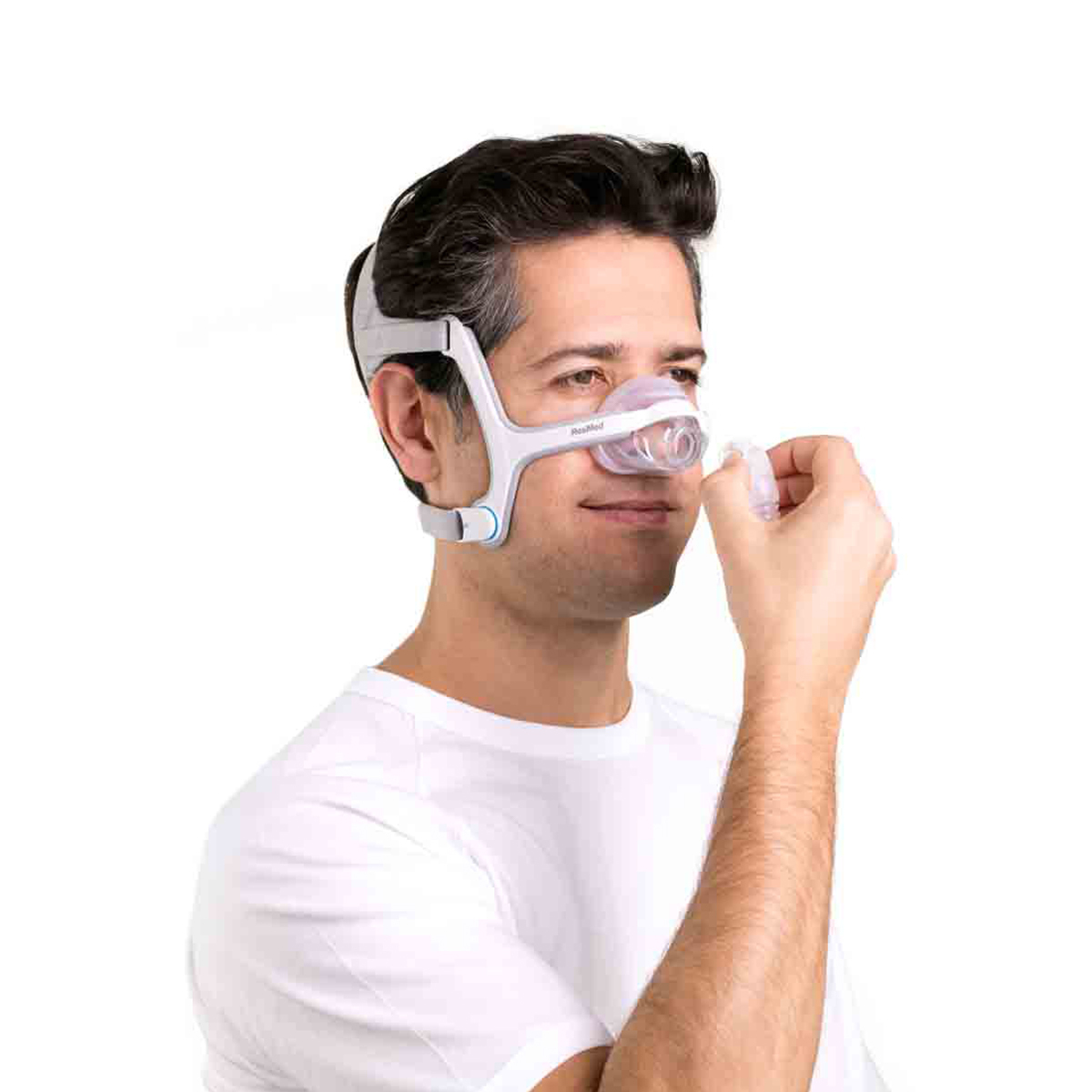
Nasal Masks
Fit over your nose only, and some of the newer masks now only cover the tip of the nose, alleviating any pressure on the bridge of the nose.
Pros:
- More compact and less intrusive than a full face mask
- Works well across a wide range of pressure settings
- A natural airflow delivery that many users find comfortable
- Easier to find a good fit due to the wide range of sizes and styles available
- Less likely to feel claustrophobic
Cons:
- Not suitable if you breathe through your mouth (you'll need a chin strap or full face mask)
- Can cause skin irritation or pressure marks on the nose bridge
- Nasal congestion can significantly impact therapy effectiveness
- May shift during the night for active sleepers
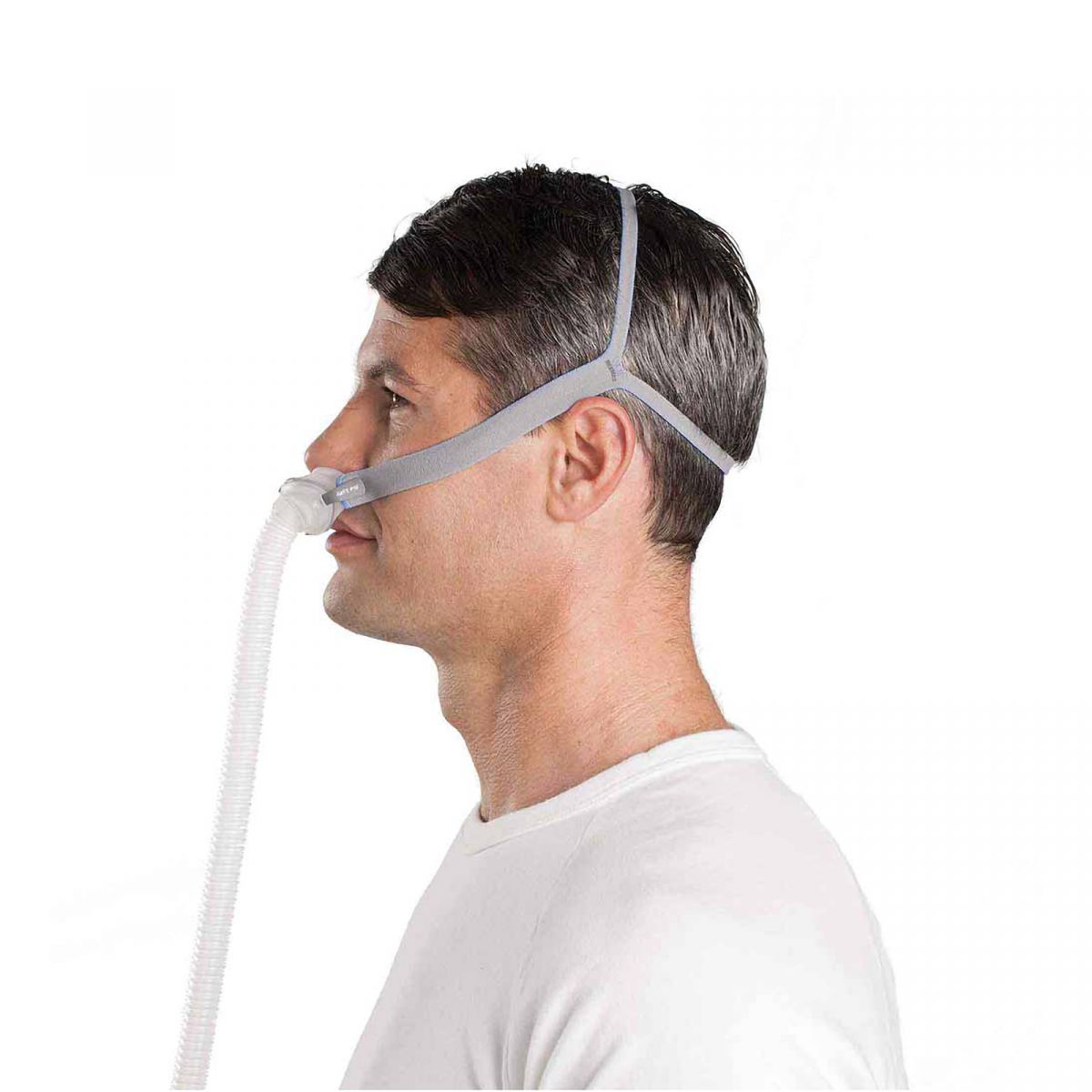
Nasal Pillow Masks
Are even more lightweight and minimal than nasal masks, offering a high level of openness and visibility. These masks have ‘pillows’ that sit into the nares of your nostrils.
Pros:
- The smallest and lightest mask style — very unobtrusive
- Minimal facial contact means fewer pressure sores and skin irritation
- Easy to see, read, or watch TV while wearing
- Great for people who feel claustrophobic with larger masks
- Ideal for side sleepers and active sleepers
- Easy to clean and maintain
Cons:
- Not recommended for higher pressure settings, as the seal can be less stable
- Can cause nostril discomfort or dryness at the insertion point
- Not suitable for mouth breathers (unless used with a chin strap)
- May not suit people with certain nasal anatomy or conditions like a deviated septum
Based on the above descriptions, it may seem obvious that most people would prefer a lighter mask as opposed to a heavier one, or a smaller mask instead of a bigger one. But there are other factors to consider.
For example, masks that cover more of your face can sometimes offer a better seal against leaking, leading to improved treatment. Likewise, if you have facial hair, you may find that you need a larger mask to get a better seal. Or, if you have claustrophobia, it is likely that a smaller mask will feel more comfortable.
Mask choice comes down to personal preference, and how a specific mask style will fit over the unique contours of your face. Some manufacturers like ResMed also offer “For Her” versions of these masks, designed specifically for the contours of a woman’s head and face.
Remember, if you’re not comfortable with your CPAP mask, there’s a tendency to “forget” to wear it some nights, or to take it off halfway through the night because it doesn’t feel comfortable, and sometimes you don’t even realize you’ve done this until you wake up the next morning.
Remember, if you are not wearing your CPAP mask regularly, you are not getting the full benefits of sleep apnea treatment.
This can leave you in a similar situation as before you were diagnosed. You may be drowsy and lack energy throughout the day and be at risk for many other potential dangers of untreated sleep apnea.
If you are struggling with your current mask, or unsure about what mask will suit you, please contact CPAP Club and we can help you determine which mask will offer the best, most comfortable fit for you.
View Full Face Masks View Nasal Masks View Nasal Pillows Masks