CPAP Cleaning Products & Wipes
CPAP-specific cleaning solutions, soaps, and wipes formulated to be safe on silicone cushions, mask frames, headgear, tubing, and humidifier chambers. Regular cleaning extends the life of your equipment, maintains seal performance, and keeps your therapy hygienic. Browse below for available products.
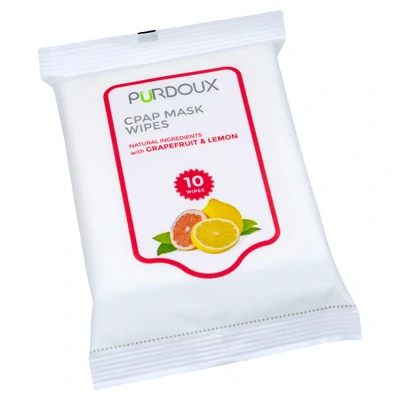
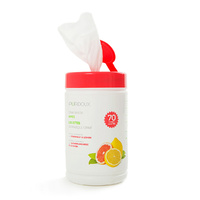
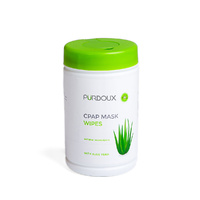
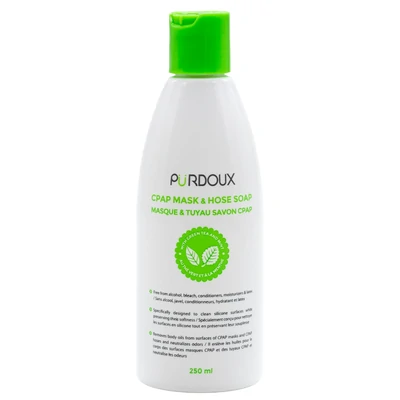
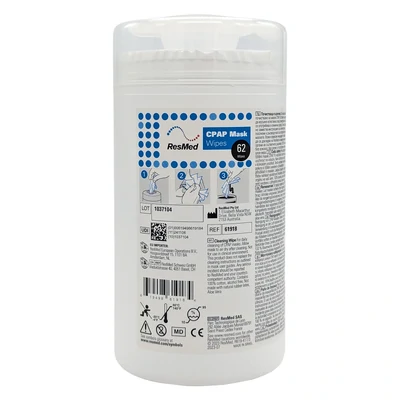
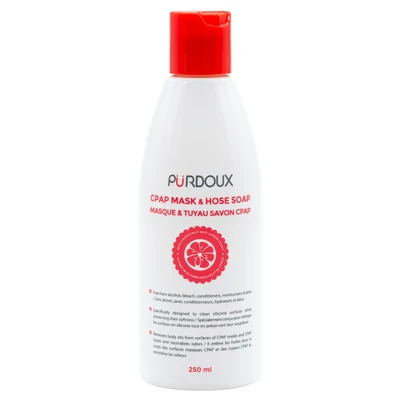
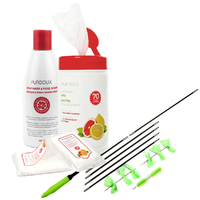
Purdoux Premium CPAP Cleaning Package - Citrus Scent
SKU: PURPREM-KIT-CITRUS
$39.95
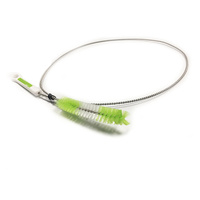
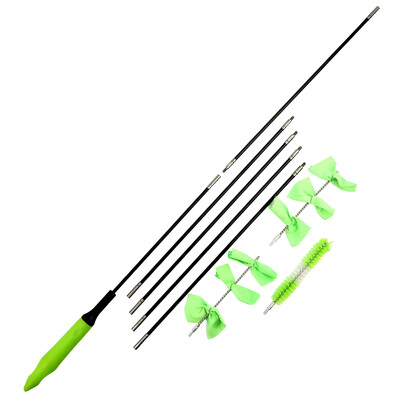
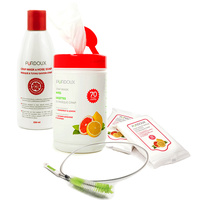
Purdoux CPAP Cleaning Package - Citrus Scent
SKU: PURCLEAN-KIT-CITRUS
$29.95
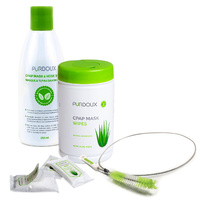
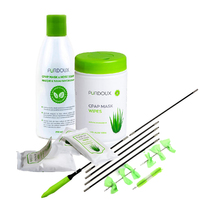
Purdoux Premium CPAP Cleaning Package - Green Aloe Vera
SKU: PURPREM-KIT
$39.95
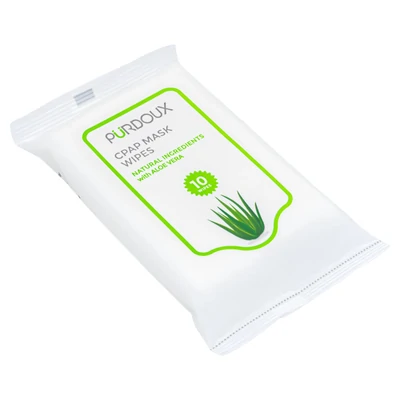
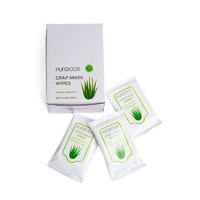
Purdoux CPAP Mask Wipes with Aloe Vera - Box 12 Handy Packs
SKU: PUR9609-12
$19.95
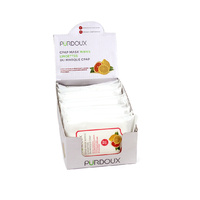
Purdoux CPAP Mask Wipes with Citrus Scent - Box 12 Travel Packs
SKU: PUR2545-12
$19.95
CPAP Cleaning Guide
Can I clean my CPAP equipment with regular soap or household detergent?
You can use a small amount of mild, unscented liquid soap for a basic rinse, but it comes with caveats. Standard household soaps and detergents often contain fragrances, moisturisers, antibacterial agents, or other additives that can leave residue on silicone cushions — degrading the material over time and potentially causing skin irritation. Alcohol-based and bleach-based cleaners should never be used on any CPAP component, as they accelerate silicone breakdown and can damage plastic parts. CPAP-specific cleaning products are formulated to clean effectively without any of these risks, and are the safest option for maintaining equipment in good condition over the long term.
What's the difference between CPAP wipes and cleaning solution?
Both clean your mask and equipment, but they suit different parts of a cleaning routine. Wipes are ideal for a quick daily clean of the mask cushion, frame, and headgear contact points — particularly convenient to keep on the bedside table for a fast wipe-down each morning before the mask fully dries. Cleaning solution or soap is better suited to a weekly deeper clean, where components are soaked, rinsed thoroughly with warm water, and left to air dry. Many users use both: wipes for the daily quick clean and solution for the weekly wash. Neither should be used on humidifier water chambers — chambers should be rinsed with warm water and air dried daily, with distilled water used to prevent mineral build-up.
How often should I clean my CPAP mask and equipment?
The mask cushion and frame should be wiped down daily to remove skin oils that degrade silicone over time. A more thorough wash of the cushion, frame, and headgear with cleaning solution should be done weekly. Tubing should be rinsed weekly and inspected for discolouration or odour. The humidifier chamber should be rinsed and air dried daily if used nightly. Filters follow their own replacement schedule — see our CPAP cleaning and care guide for a full maintenance schedule. Regular cleaning also extends the life of your cushions and seals significantly — skin oil is the primary cause of premature silicone degradation.
Are ozone or UV CPAP cleaners safe to use?
This is worth approaching with caution. Ozone-based CPAP cleaning devices — which use ozone gas to sanitise equipment without water — are not recommended by major CPAP manufacturers including ResMed and Fisher & Paykel, and using them may void your equipment warranty. The concern is twofold: ozone is an oxidising agent that can degrade silicone cushions, plastic components, and tubing over time, shortening the life of the equipment they're intended to protect. Ozone is also a respiratory irritant, and if residual ozone remains in the mask, tubing, or humidifier chamber after a cleaning cycle, it can be inhaled during sleep. Australia's Therapeutic Goods Administration (TGA) has also raised concerns about ozone-based CPAP cleaners, consistent with warnings issued by regulatory bodies in other countries. UV-based cleaners are generally less problematic for equipment materials, but their efficacy for CPAP-specific pathogens is not as well established as manual washing. The safest and most manufacturer-endorsed approach remains regular manual cleaning with CPAP-specific soap or solution and warm water — which is also the most cost-effective option over the long term.