
Full Face CPAP Masks
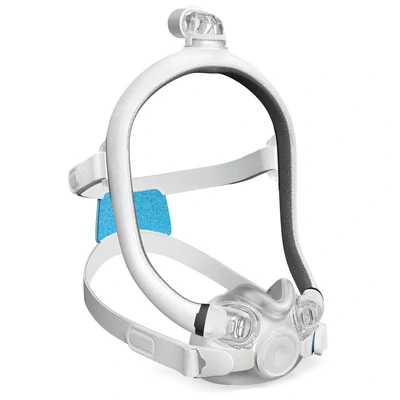
Full face CPAP masks seal over both the nose and mouth, making them the go-to choice for people who breathe through their mouth during sleep, experience regular nasal congestion, or are prescribed higher therapy pressures. Our range includes traditional designs with forehead support, minimal-contact under-the-nose styles, and top-of-head tube options for greater freedom of movement during sleep. We stock masks from ResMed, Fisher & Paykel, and Philips Respironics across a wide range of sizes — including For Her variants designed for smaller facial profiles. Not sure which style suits you? Our CPAP mask selection guide covers the key differences to help you choose.
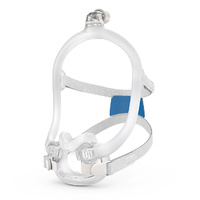
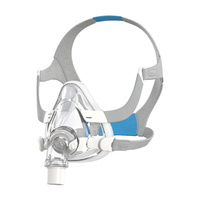
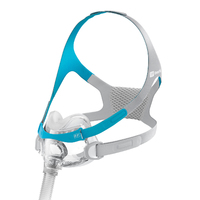

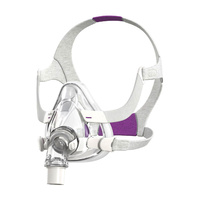
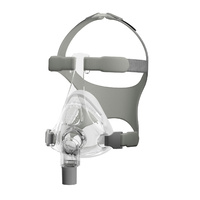
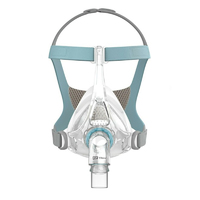
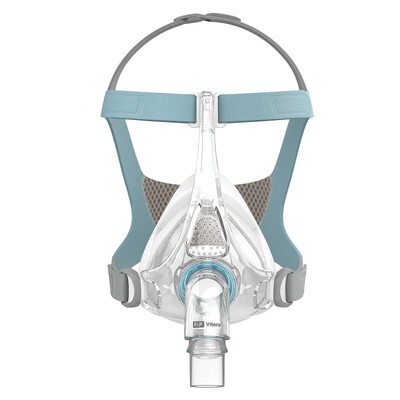
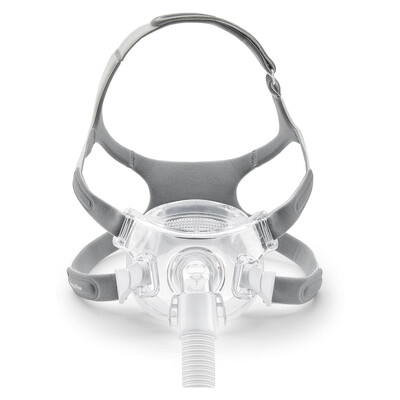
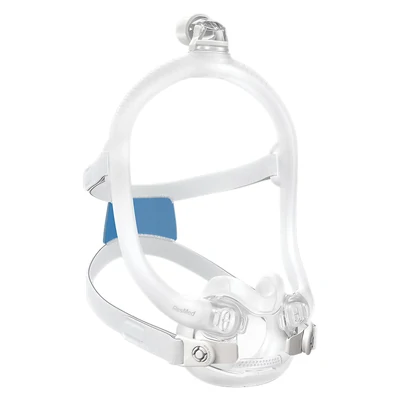
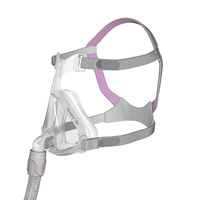
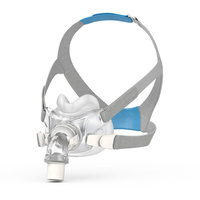
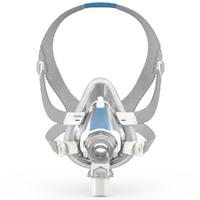
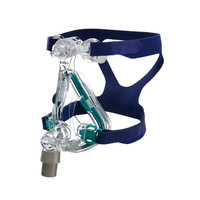
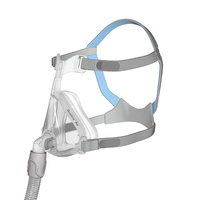
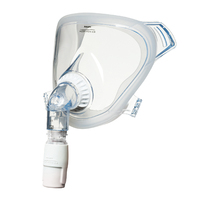
Traditional vs Minimal-Contact Full Face Masks
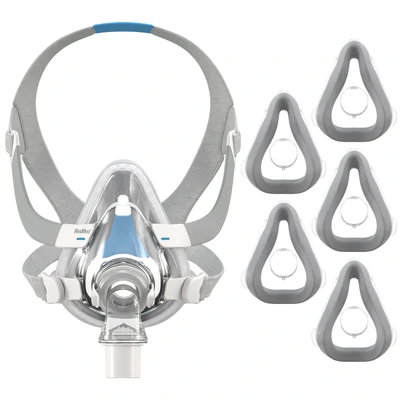
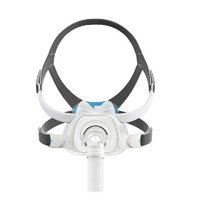
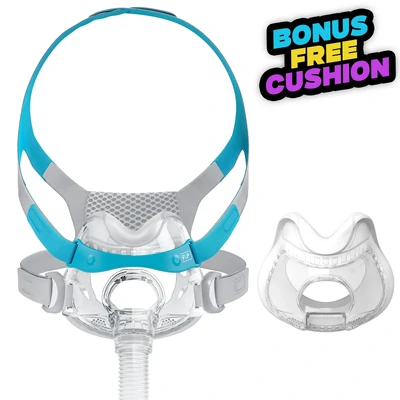
If you haven't bought a full face mask in a few years, the range has changed significantly. Alongside the traditional full face designs — which seal over the bridge of the nose and around the mouth — there's now a strong generation of minimal-contact masks that sit under the nose rather than over it. Models like the ResMed AirFit F30, F30i, and F40, the Fisher & Paykel Evora Compact, and the Philips Amara View and DreamWear Full Face all take this approach. They deliver the same mouth-covering seal as a traditional mask, but with a much smaller footprint on your face: no pressure on the bridge of your nose, a wider field of vision, and generally less headgear bulk.
Traditional full face masks — like the ResMed AirFit F20, Mirage Quattro, and Fisher & Paykel Vitera — remain excellent choices, particularly if you've used one before and know they work for you, or if your therapy pressure is on the higher end and you want the most robust seal available. For most new users being prescribed a full face mask for the first time, a minimal-contact design is worth considering first. Our guide to selecting the right CPAP mask can help you work through the trade-offs.
Frequently Asked Questions
Do I really need a full face mask, or could a nasal mask work for me?
If you consistently breathe through your nose during sleep and can sleep with your mouth closed, a nasal mask may be more comfortable and may suit you better. Full face masks are most appropriate when mouth breathing is confirmed — either by your sleep specialist, by repeated mask leak alerts, or by your own experience waking with a dry mouth or throat. If you're unsure, it's worth speaking with your sleep clinic before purchasing, as switching mask type later is straightforward and CPAP Club's range makes it easy to compare options.
Are there full face masks designed for women?
Yes — ResMed produces For Her variants of several full face masks, including the AirFit F20 for Her and Quattro Air for Her, which feature adjusted sizing and refined cushion geometry to better fit the contours of a woman's face. You'll find these within this category, or you can browse the full For Her CPAP mask range for the complete selection across all mask styles.
What are non-magnetic full face masks, and do I need one?
Non-magnetic CPAP masks are designed for people who have a pacemaker, implantable cardiac device, or other metallic implant that may be affected by standard mask magnets — which are commonly used in headgear clips and cushion connections. If your specialist or cardiologist has advised you to avoid magnetic products, look for the non-magnetic variants available in this range, including the ResMed AirFit Non-Magnetic F20 and the AirFit Non-Magnetic F30i. If you're not sure whether your device is affected, check with your treating cardiologist before purchasing a standard mask.
How often should I replace my full face mask cushion?
It depends on the cushion material. Silicone cushions — used on most full face masks including the AirFit F20, F30, F30i, F40, and all Fisher & Paykel and Philips models — typically last three to six months with regular cleaning. Fabric memory foam cushions, such as those on the ResMed AirTouch F20, should be replaced monthly as they absorb skin oils and degrade more quickly. Regardless of material, visible cracking, persistent air leaks despite a good fit, or new skin irritation are all signs the cushion is due for replacement. Replacement cushions and seals are available for all major full face mask models without needing to replace the full mask system.