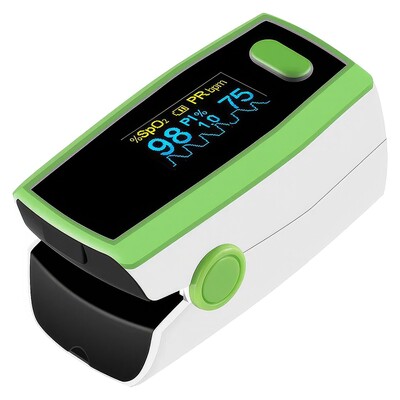
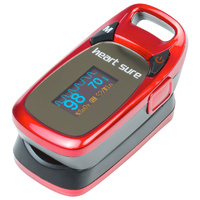
Heart Sure Pulse Oximeter A320 - Oxygen Saturation & Pulse Rate Meter
SKU: HS-A320
$69.95
26% OFF RRP
CPAP Replacement Parts Finder
Pulse oximeters measure blood oxygen saturation (SpO2) and heart rate — giving you a window into how well your body is managing oxygen during sleep. For people on CPAP therapy, an overnight recording oximeter is a practical way to check whether therapy is controlling oxygen desaturation events through the night. For people yet to be diagnosed, overnight SpO2 data can be a useful indicator to bring to a GP or sleep specialist. Browse below for fingertip spot-check and overnight wrist and ring-style recording options.
Heart Sure Pulse Oximeter A320 - Oxygen Saturation & Pulse Rate Meter
SKU: HS-A320
$69.95
A spot-check fingertip oximeter gives you an instant reading of your SpO2 and heart rate at that moment — useful for a quick check, but it tells you nothing about what happens during sleep when you're not wearing it. An overnight recording oximeter is worn continuously through the night — on the wrist or as a ring — and logs SpO2 and heart rate data at regular intervals throughout. The resulting data shows whether and how often your oxygen levels are dropping during sleep, which is far more relevant to assessing sleep-disordered breathing than a single daytime reading. For anyone using a CPAP machine or investigating potential sleep apnea, an overnight recording oximeter is the appropriate choice. Ring-style oximeters — such as the Wellue O2Ring — are among the most comfortable for overnight use as they don't require a probe clipped to the finger throughout the night.
No — a pulse oximeter cannot diagnose sleep apnea. It measures oxygen saturation and heart rate but cannot detect airway obstruction, respiratory events, or the arousal patterns that define a formal sleep apnea diagnosis. A proper diagnosis requires a sleep study (polysomnography or a home sleep test) assessed by a sleep specialist. That said, overnight SpO2 data can be a useful starting point — persistent drops in oxygen saturation below normal levels during sleep are a clinically relevant finding worth discussing with your GP or sleep specialist. If you're unsure where to start, our CPAP FAQ covers what to expect from the diagnostic process.
If your overnight recording shows repeated or sustained drops in blood oxygen saturation, take the data to your GP or sleep specialist rather than drawing your own conclusions. What constitutes a concerning result depends on individual baseline health, the frequency and depth of desaturation events, and other clinical factors that only a healthcare professional can assess in context. Pulse oximeters sold at CPAP Club are for personal wellness monitoring — they are not medical diagnostic devices and results should always be interpreted by a qualified clinician. If you're already on CPAP therapy and seeing unexpected desaturation events overnight, it's worth discussing your therapy data and oximetry results together with your sleep specialist. Please contact our team if you have questions about which oximeter is right for your monitoring needs.

Simple instalment plans available instantly at checkout
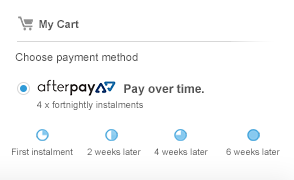

Use your existing debit or credit card

No long forms, instant approval online

Pay fortnightly, enjoy your purchase straight away!
All your need is:
1) An Australian Visa or Mastercard debit/credit card; 2) To be over 18 years of age; 3) To live in Australia
To see Afterpay's complete terms, visit https://www.afterpay.com.au/terms
© 2026 Afterpay