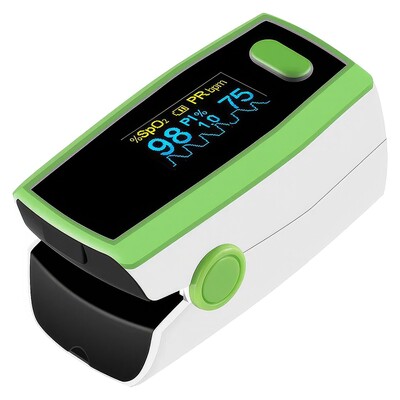
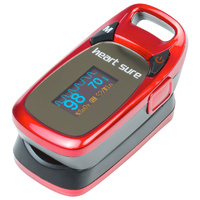
Heart Sure Pulse Oximeter A320 - Oxygen Saturation & Pulse Rate Meter
SKU: HS-A320
$69.95
26% OFF RRP
CPAP Replacement Parts Finder
Pulse oximeters measure blood oxygen saturation (SpO2) and heart rate — a quick, non-invasive check on how well your body is managing oxygen. For CPAP users, a fingertip oximeter is a useful spot-check tool: confirm your SpO2 sits in the healthy range when therapy is going well, and detect when it doesn't. For anyone monitoring general respiratory health, fingertip oximeters are the same devices used in GP clinics and hospital wards.
We stock two reliable fingertip spot-check pulse oximeters — both with fast readings, clear OLED displays and one-button operation. Browse below.
Heart Sure Pulse Oximeter A320 - Oxygen Saturation & Pulse Rate Meter
SKU: HS-A320
$69.95
A spot-check fingertip oximeter gives you an instant reading of your SpO2 and heart rate at that moment — useful before bed, after waking, or any time you want to confirm your oxygen levels are in the healthy range (typically 95–100% for most adults). The two oximeters in this category are spot-check devices.
An overnight recording oximeter is a different category of device — worn continuously on the wrist or as a ring, logging SpO2 data through the night to detect oxygen desaturation patterns during sleep. These are typically supplied as part of a home sleep study ordered through your GP or sleep specialist, rather than purchased over the counter. If your goal is overnight tracking to investigate or confirm sleep apnea, speak to your doctor about a referral.
No — a pulse oximeter alone cannot diagnose sleep apnea. Sleep apnea is diagnosed through a formal sleep study (polysomnography or a doctor-supervised home sleep test) that measures breathing patterns, airflow, and other markers alongside SpO2. A spot-check oximeter is useful for monitoring how your therapy is performing or flagging concerning daytime readings — but for diagnosis or therapy adjustments, work with your GP or sleep specialist.
Healthy adults at rest typically read between 95% and 100% SpO2. Readings of 92–94% are below normal and worth raising with your GP. Persistent readings below 92% are a clinical concern — book a same-day appointment with your doctor or, if you're symptomatic (shortness of breath, blue-tinged lips, chest pain), seek urgent medical care. For CPAP users, an unexpectedly low spot-check reading may indicate your therapy needs review — bring the reading and your machine's compliance data to your sleep specialist.

Simple instalment plans available instantly at checkout

Use your existing debit or credit card

No long forms, instant approval online

Pay fortnightly, enjoy your purchase straight away!
All your need is:
1) An Australian Visa or Mastercard debit/credit card; 2) To be over 18 years of age; 3) To live in Australia
To see Afterpay's complete terms, visit https://www.afterpay.com.au/terms
© 2026 Afterpay