26% OFF RRP
CPAP Replacement Parts Finder
Pulse oximeters measure blood oxygen saturation (SpO2) and pulse rate — a quick, non-invasive way to see how well your body is managing oxygen. They're useful for people on CPAP therapy keeping an eye on their treatment, for anyone who snores or suspects sleep apnea and wants real data to bring to a GP, and for monitoring general respiratory wellbeing at home, during exercise or while travelling.
We stock two types: simple fingertip oximeters for an instant spot-check reading, and a wearable ring oximeter that records continuously through the night. Browse the range below, or read our quick guide to choosing between them.
The main decision is whether you want a one-off reading or a full night's recording.
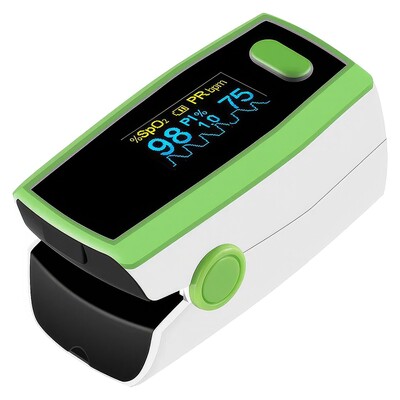
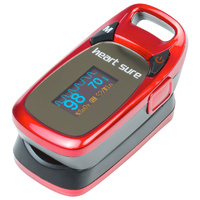
Fingertip (spot-check) oximeters clip onto your finger and show your SpO2 and pulse rate within seconds. They're affordable, pocket-sized and ideal for a quick check before bed, after waking, or any time you want to confirm your oxygen is sitting in a healthy range. The Suresense Premium SpO2 oximeter and the Heart Sure Pulse Oximeter A320 are both reliable fingertip options.
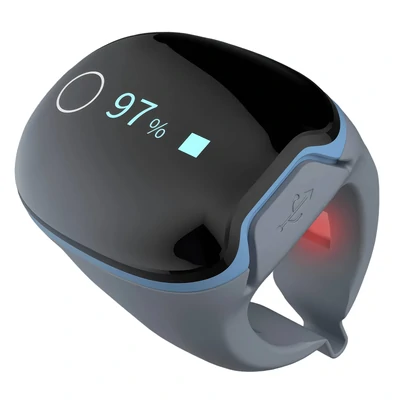
Continuous (overnight) oximeters are worn all night and record your oxygen, pulse and movement every second, then build a detailed report you can review in the morning. The Wellue O2Ring is a comfortable soft-silicone ring that does exactly this, with a silent vibration alert if your oxygen drops below a level you set — far more useful than a single reading if you want to understand what's happening across the whole night.
If you only want occasional readings, a fingertip oximeter is all you need. If you want to track trends over time or check how your therapy is performing while you sleep, the continuous ring is the better fit.
A spot-check fingertip oximeter gives you an instant reading at a single moment. A continuous oximeter, like the ring-style Wellue O2Ring, records without interruption for hours — capturing brief oxygen dips that a one-off reading would simply miss. For overnight monitoring, continuous recording gives a far more complete picture.
No. A pulse oximeter measures oxygen and pulse rate, but it can't diagnose sleep apnea (or sleep apnoea) on its own — that requires a clinical sleep study. What an oximeter can do is reveal overnight oxygen drops worth investigating, giving you objective data to share with your GP or sleep specialist. Treat the readings as a useful prompt, not a diagnosis.
Yes — many CPAP users do. Even with a good nightly average, brief oxygen drops can still occur from mask leaks, pressure that isn't quite right, or sleeping position. A continuous oximeter shows when and how often these happen, helping you check that your CPAP machine is doing its job between specialist appointments.
Not sure where to start? Our CPAP FAQ answers the most common questions about therapy, equipment and monitoring — or contact our team for a hand choosing the right device.

Simple instalment plans available instantly at checkout

Use your existing debit or credit card

No long forms, instant approval online

Pay fortnightly, enjoy your purchase straight away!
All your need is:
1) An Australian Visa or Mastercard debit/credit card; 2) To be over 18 years of age; 3) To live in Australia
To see Afterpay's complete terms, visit https://www.afterpay.com.au/terms
© 2026 Afterpay