APAP Machines (Auto Pressure CPAP) for Sleep Apnea
APAP machines — also called auto pressure CPAP machines, automatic CPAP machines, or auto-adjusting CPAP machines — are the most commonly recommended choice for treating obstructive sleep apnea. Unlike a standard fixed pressure CPAP machine, an APAP automatically adjusts the air pressure it delivers throughout the night in response to changes in your breathing. The result is a therapy that gives you exactly the pressure you need, when you need it — no more, no less, and no manual settings to wrestle with.
At CPAP Club, we stock auto pressure CPAP machines from the brands most trusted by Australian sleep specialists — including the ResMed AirSense 11 AutoSet, ResMed AirSense 10 AutoSet, Philips DreamStation APAP and Fisher & Paykel SleepStyle Auto. Browse the range below, or visit our full CPAP machine range if you're still deciding on the right type for your therapy.
Looking to save by bundling? Click here to view our CPAP Packages and Bedside Starter Kits with everything you need to get started.
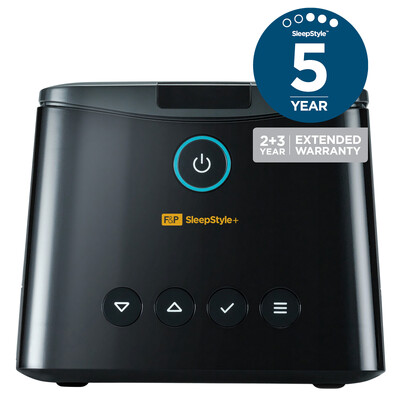
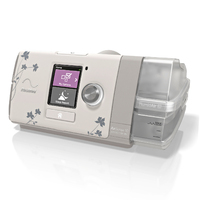
Fisher & Paykel SleepStyle+ Auto CPAP Machine with 5yr Warranty
SKU: FPSSPAAA
Now $1,190.00
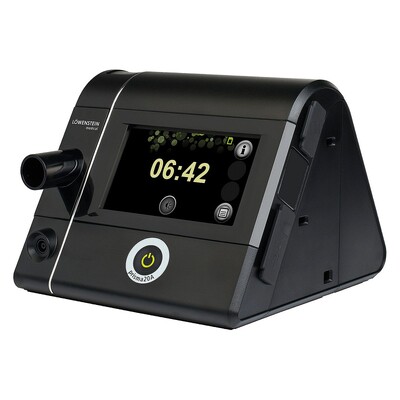
Lowenstein Prisma 20A Auto CPAP Machine — Humidifier, Heated Tube & 4G Modem
SKU: LOW296001111
Now $1,999.00
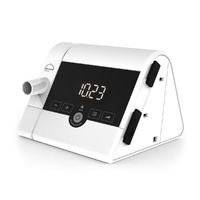
Lowenstein Prisma SMART Max Auto CPAP Machine with PrismaAQUA Humidifier & Heated Tube
SKU: LOW319601210
$1,699.00
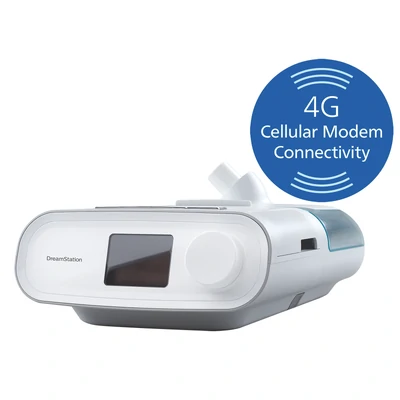
Philips DreamStation Auto CPAP Auto + Humidifier & 4G Modem
SKU: PHIAUX500T15C
Now $1,250.00
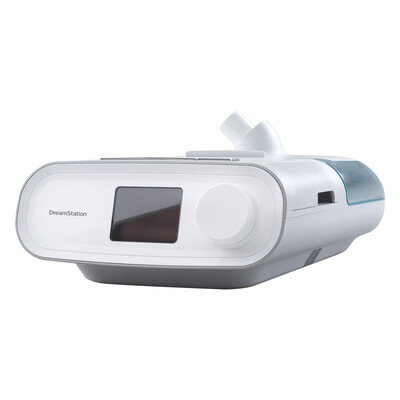
Philips Respironics DreamStation Auto CPAP Machine with Humidifier
SKU: PHIAUX500T15
Now $990.00
How APAP Machines Work
Every night your breathing shifts — influenced by your sleep position, whether you're in light or deep sleep, alcohol intake, and even seasonal congestion. A fixed pressure machine delivers the same pressure through all of that. An APAP machine responds to it.
Using sophisticated airflow sensors, an auto pressure machine continuously monitors your breathing and detects any resistance or flow limitation in your airway. When it senses your airway needs more support, it raises the pressure — and when your breathing is unobstructed, it reduces it. This all happens in real time, in small increments, and is barely perceptible while you sleep. Most users find it easier to settle into therapy with an APAP machine than with a fixed pressure device, because the pressure at the start of the night — when you're first falling asleep — tends to be lower and more comfortable. For a deeper look at the differences between machine types, see our guide to choosing the right CPAP machine.
What to Look for When Comparing APAP Machines
Most modern auto pressure machines share the same core technology, but there are features worth comparing depending on your lifestyle and therapy goals. Integrated heated humidification is standard on most home APAP units — it reduces dryness and congestion and makes nightly use significantly more comfortable. Data connectivity (via Bluetooth or 4G) lets you or your sleep specialist monitor your therapy results remotely using apps like myAir from ResMed or SleepStyle from Fisher & Paykel. A built-in ramp function gradually increases pressure as you fall asleep, which many new users appreciate. And if you travel regularly, check the machine's weight, universal power supply, and whether a separate travel-sized option might better suit your needs.
Want everything bundled together and ready to use from night one? Our Auto Pressure CPAP Packages pair a machine with a compatible mask and accessories at better-than-separate pricing.
For a deeper walkthrough of each feature — heated humidifier, ramp time, expiratory pressure relief (EPR), data tracking — see our complete CPAP machine buying guide.
Frequently Asked Questions
What is the difference between CPAP and APAP?
A standard CPAP machine delivers a single fixed pressure all night, as specified by your doctor. An APAP — also called an auto-adjusting CPAP machine — machine works within a set pressure range and adjusts its output breath by breath based on what your airway actually needs. For most people with obstructive sleep apnea, APAP tends to be more comfortable — particularly early in therapy — because the machine only uses as much pressure as is required at any given moment, rather than maintaining a constant level throughout the night.
Do I need a prescription to buy an auto CPAP machine in Australia?
No — a prescription is not required to purchase an auto pressure CPAP machine in Australia. That said, if you have a pressure range specified by your sleep specialist, it's worth having the machine configured to that range before you start. You can upload your prescription through our website and we'll set the machine up before dispatch. If you don't have a pressure range yet, most auto machines come with a clinically standard default range that's appropriate for most users.
How do I read my APAP pressure data?
Most auto pressure machines record nightly therapy data including your AHI (apnoea-hypopnoea index), pressure levels used, mask seal quality, and hours of use. This data can be viewed through the machine's companion app — such as ResMed's myAir — or downloaded via SD card for review by your sleep specialist. Your AHI is the most important number to track: a reading below 5 events per hour is generally considered well-controlled therapy. If you have questions about your data, our team is happy to help — or visit our CPAP machines FAQ for more guidance.
Which is the best APAP machine in Australia?
The two most popular APAP machines in Australia are the ResMed AirSense 11 AutoSet (the latest generation, with built-in cellular connectivity and improved climate control) and the ResMed AirSense 10 AutoSet (proven, reliable, lower price point and a strong choice if budget matters). Beyond ResMed, the Fisher & Paykel SleepStyle Auto is a quieter, simpler alternative, and the Philips DreamStation Auto CPAP remains a solid mid-range option. The "best" machine depends on what matters most to you — connectivity, comfort features, price, or specific therapy needs. For a feature-by-feature comparison, see our CPAP machine buying guide.
Are APAP machines suitable for travel?
Yes, but most standard APAP machines are bedside devices — they include a humidifier and aren't designed for portability. If you travel frequently and want a machine that goes with you, look at our travel CPAP machines range — compact APAP devices like the ResMed AirMini that deliver full auto-adjusting therapy in a unit small enough for a carry-on bag.