On Sale
34% OFF RRP

CPAP Replacement Parts Finder

SKU: LOWPRISMA20A

Delivery location required for AU, please enter a valid postcode.
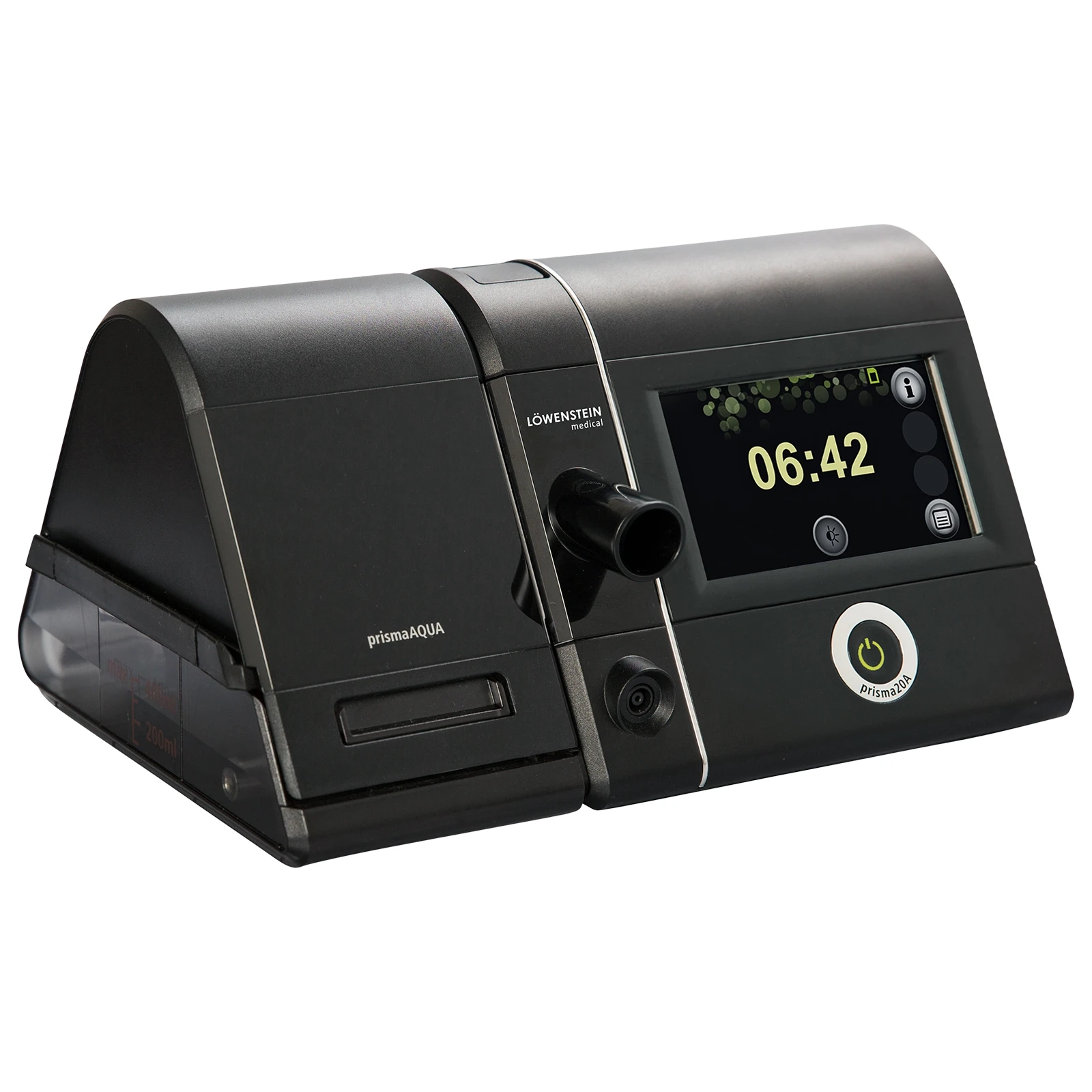
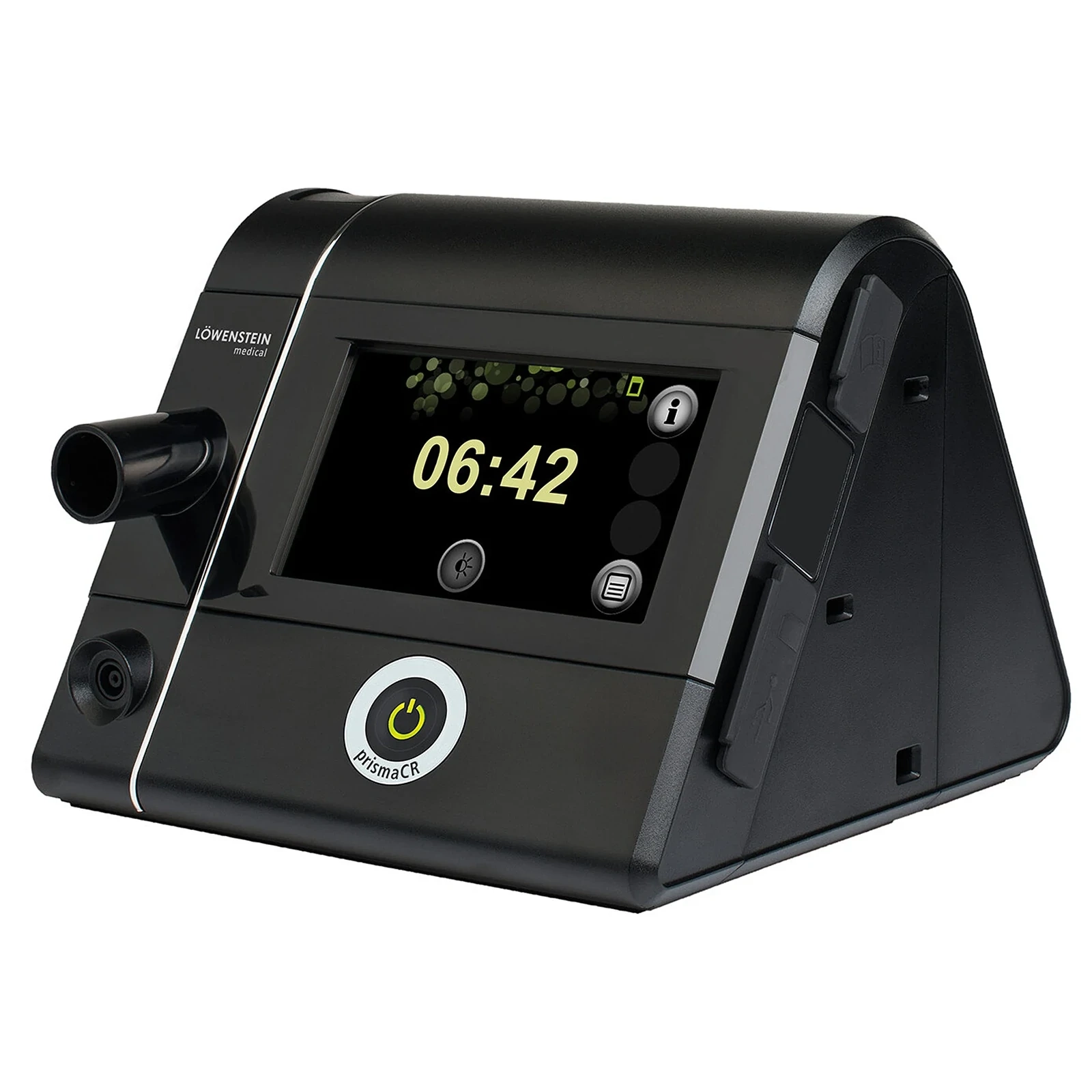
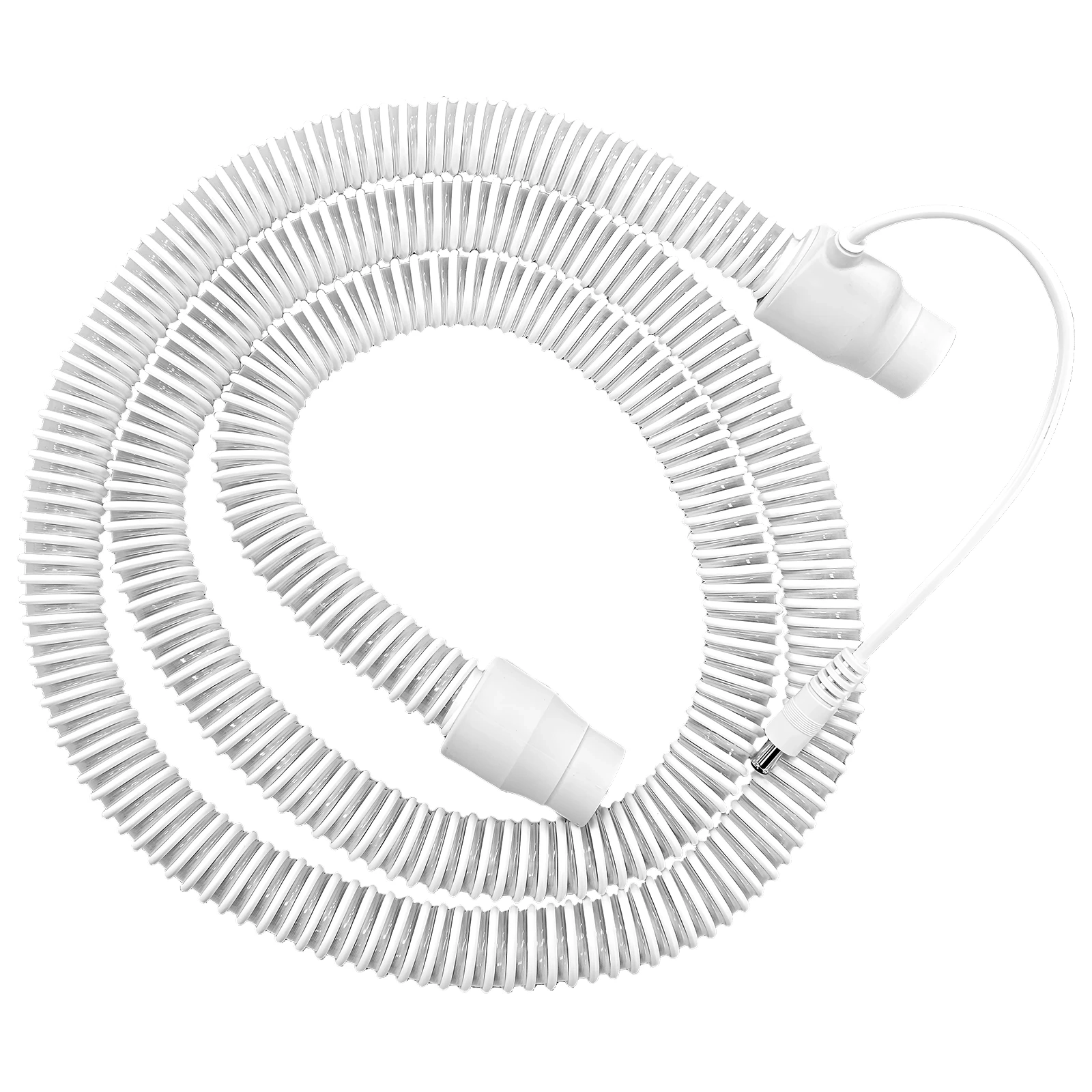
The Löwenstein Prisma 20A is a German-made auto-CPAP machine using FOT to tell obstructive and central apneas apart. Includes the PrismaAQUA humidifier and heated tube, with or without a 4G modem for Prisma CLOUD.
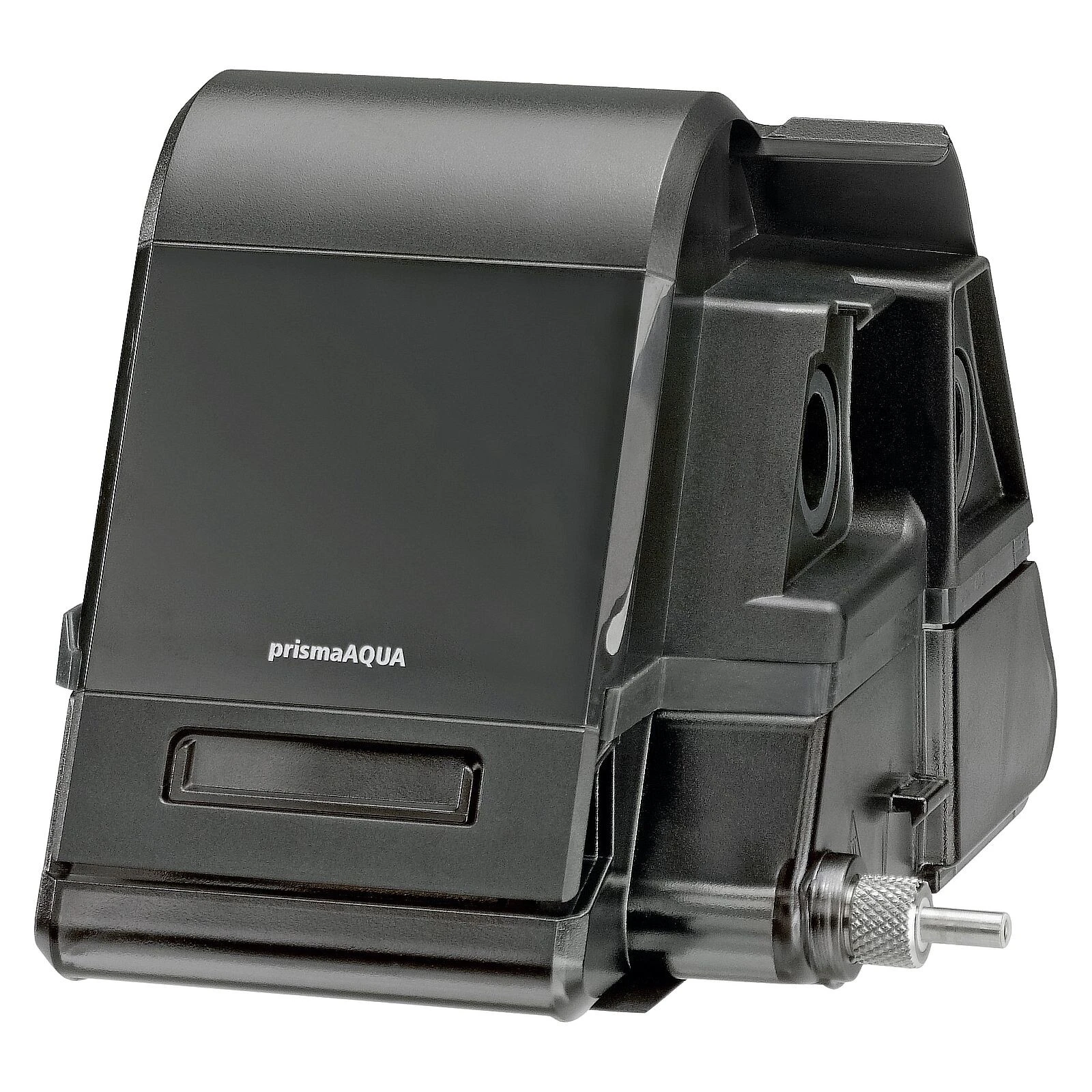
The Löwenstein Prisma 20A is a German-made auto-CPAP machine from the prismaLINE range, built around Forced Oscillation Technology (FOT) — a way of telling obstructive apneas (a blocked airway) apart from central apneas (a pause in the brain's signal to breathe), so pressure only rises when raising it will actually help. Every kit includes the 400 ml PrismaAQUA humidifier and a CozyLine heated tube, and you can choose it with or without the 4G modem for Prisma CLOUD remote monitoring.
Both kits contain the same Prisma 20A machine and deliver identical therapy. The only difference is how your sleep data leaves the device.
The modem sends your therapy data to Prisma CLOUD once a day, so a sleep clinic or sleep physician using Prisma CLOUD can review your progress and adjust your settings remotely. It also lets you pair the prisma APP to see your own nightly results on your phone. Choose this if your sleep provider has asked for remote monitoring, or if you want app-based feedback each morning.
Your therapy data is stored on the machine and its SD card, which your sleep specialist can read with Löwenstein's prismaTS software, and a summary of recent nights is shown on the touchscreen. Choose this if nobody will be monitoring you remotely. If that changes later, the Löwenstein 4G modem is sold separately and attaches to the side of the machine.
In auto (APAP) mode the machine works between a minimum and a maximum pressure taken from your prescription. Pressure is measured in cmH2O — centimetres of water — and Löwenstein's equivalent unit, hPa, is effectively the same number. The Prisma 20A's full range is 4–20 cmH2O. It raises pressure when your airway narrows or closes, then eases back once breathing is stable.
FOT is what makes those decisions more precise. Tiny oscillations in the airflow tell the machine whether your airway is open or closed during a pause in breathing. A closed airway is an obstructive event, and more pressure helps. An open airway with no breathing is a central event, where extra pressure adds discomfort without fixing anything — so the Prisma 20A avoids raising pressure in response. If your sleep study or device data show a large share of central apneas, talk to your sleep specialist, as an auto-CPAP is not designed to treat central sleep apnea.
There are two APAP settings. Standard aims to keep pressure as low as possible while still treating events; Dynamic reacts more readily to flow limitation, the partial narrowing that often comes before snoring or a full apnea. A fixed-pressure CPAP mode is also available. Which setting suits you is your sleep specialist's call.
The Prisma 20A stores 14 days of detailed breath-by-breath data and up to 365 days of nightly statistics. The figure your sleep specialist will look at first is your AHI (apnea-hypopnea index) — the number of breathing events per hour that still occur while you use the machine. A residual AHI under 5 is the usual goal. Usage hours and mask leak are also worth watching in the first few weeks.
prisma RECOVER is a deep sleep indicator based on how stable your breathing pattern is overnight. Treat it as a general guide, not a sleep study result.
The Prisma 20A suits newly diagnosed people starting auto-CPAP therapy, experienced users replacing an older machine or moving from another brand, and anyone who has struggled with dryness or tube condensation,. The modem kit is the right choice when a clinician who uses Prisma CLOUD is managing your therapy.
It is not the right machine if you have been prescribed bilevel therapy — look at the ResMed AirCurve 11 VAuto instead — or if you have predominantly central sleep apnea, which needs specialist equipment. If you travel often and want the smallest possible device, the ResMed AirMini is a better fit. And if your current auto-CPAP is working well, there is no therapy reason to switch — the Prisma 20A improves on event detection, comfort and data, not the treatment itself. You can compare options across our auto-CPAP machines and the full Löwenstein range.
Yes. The machine is identical in both kits, and the Löwenstein 4G modem is sold separately and attaches to the side of the Prisma 20A. Once fitted, your data can be sent to Prisma CLOUD and you can pair the prisma APP. Remote monitoring still needs a sleep clinic or physician registered on Prisma CLOUD, so check with your provider before adding one.
You do not need a prescription to buy an auto-CPAP machine in Australia. You should, however, have a sleep apnea diagnosis from a sleep study, and your minimum and maximum pressures should come from your sleep specialist. If you have not yet been diagnosed, start with your GP, who can refer you for a sleep study.
Yes. CPAP masks use a standard connection, so ResMed, Fisher & Paykel, Philips and other brands all connect to the Prisma tube. If your mask is more than six months old or no longer seals well, it is worth replacing it at the same time — browse our CPAP masks.
Most people notice the airflow and the mask on the first nights, and it can take one to three weeks to sleep through comfortably. softSTART and softPAP are there to ease that adjustment. Dry mouth, a blocked nose or mask leak are common early on and usually improve with humidity changes or a better-fitting mask. If you still cannot tolerate therapy after a few weeks, or you feel no less tired, speak to your GP or sleep specialist.
In auto mode the Prisma 20A only moves within the range set from your prescription, so brief rises during the night are normal — they are the machine responding to your airway. If pressure regularly wakes you, or your AHI stays above 5, your range or softPAP level may need adjusting. Those are clinical settings, so take your data to your sleep specialist rather than changing them yourself.
Yes. The machine weighs about 1.4 kg, comes with the PrismaBAG carry case and operates at altitudes up to 3,000 metres. Remove and empty the humidifier before packing it. If you plan to use it on a flight, check your airline's medical device rules before you travel.
| Specification | Detail |
|---|---|
| Therapy modes | CPAP, APAP (Standard and Dynamic) |
| Pressure range | 4–20 cmH2O (hPa) |
| Event detection | Forced Oscillation Technology (FOT) — obstructive vs central |
| Pressure relief | softPAP levels 1–3 (level 3 with inspiratory support) |
| Comfort functions | softSTART, autoSTART |
| Sound level | Approx. 26.5 dB(A) at 10 hPa (ISO 80601-2-70) |
| Humidifier | PrismaAQUA with smartAQUAcontrol, 400 ml max fill |
| Breathing tube | PrismaHYBERNITE heated tube, 15 mm |
| Data storage | 14 days high-resolution data; up to 365 days of statistics |
| Data interfaces | SD card, PSG, LAN, external modem port |
| Connectivity | Prisma CLOUD via 4G modem (4G Modem kit, or modem added later) |
| Dimensions (W × H × D) | 170 × 135 × 180 mm (device only) |
| Weight | Approx. 1.4 kg (device only) |
| Maximum altitude | 3,000 m above sea level |
| Power rating | Max. 40 VA |
| SKU | LOWPRISMA20A |
| ARTG # | 216631 |
| Brand | Lowenstein |

Lowenstein Prisma SMART Max Auto CPAP Machine with PrismaAQUA Humidifier & Heated Tube
SKU: LOW319601210
Now $1,499.00

Simple instalment plans available instantly at checkout
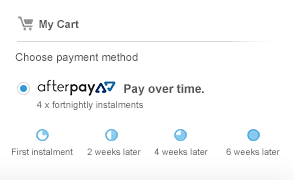

Use your existing debit or credit card

No long forms, instant approval online

Pay fortnightly, enjoy your purchase straight away!
All your need is:
1) An Australian Visa or Mastercard debit/credit card; 2) To be over 18 years of age; 3) To live in Australia
To see Afterpay's complete terms, visit https://www.afterpay.com.au/terms
© 2026 Afterpay