
The link between sleep and weight gain
Does sleep affect your weight loss program?
CPAP Replacement Parts Finder
If you've been told you snore loudly, you wake gasping, or you drag yourself through the day no matter how long you spend in bed, sleep apnea is worth taking seriously. It's one of the most common — and most under-diagnosed — chronic health conditions in Australia, and the Sleep Health Foundation estimates that around one in five Australian adults have obstructive sleep apnea, with roughly half of those cases still undiagnosed. The good news: it's straightforward to test for, and the treatment options today are genuinely effective. This guide walks through what sleep apnea is, what causes it, the symptoms to watch for, and exactly how it's diagnosed in Australia.
Sleep apnea (also spelled sleep apnoea) is a sleep-related breathing disorder where your breathing repeatedly stops or becomes very shallow while you sleep. Each pause typically lasts ten seconds or longer and can happen anywhere from a handful of times to several hundred times a night.
Every time breathing stops, your brain briefly rouses you to restart it — usually so briefly that you have no memory of waking. But your body knows. Oxygen levels drop, your heart works harder, and the deep, restorative sleep your brain and body need never properly happens. That's why people with untreated sleep apnea often feel exhausted even after eight or nine hours in bed.
The rest of this guide focuses mainly on obstructive sleep apnea, because it accounts for the overwhelming majority of cases.
Obstructive sleep apnea is caused by anything that narrows or partially collapses the upper airway during sleep. When the throat muscles relax, a narrower starting point makes it much easier for the airway to close off completely. Some of the biggest contributing factors are:
It's worth understanding that you don't have to "tick every box" to have OSA. Plenty of fit, slim adults are diagnosed with it because of their underlying airway anatomy.
One of the trickier things about sleep apnea is that the most obvious symptoms happen while you're asleep — so a partner is often the first to notice. Daytime symptoms can be vague or easily blamed on stress, age, or a busy lifestyle. If several of the symptoms below sound familiar, it's worth raising it with your GP.
Not everyone who snores has sleep apnea, and not everyone with sleep apnea snores. The combination that should always prompt a conversation with your GP is snoring + witnessed pauses + daytime sleepiness.
Untreated obstructive sleep apnea isn't just about feeling tired. The repeated drops in oxygen and the constant low-level stress on your cardiovascular system have well-documented long-term consequences, including:
There are also driving implications in Australia. The Austroads Assessing Fitness to Drive standards require people with moderate-to-severe untreated OSA and excessive daytime sleepiness to notify their state or territory licensing authority, and ongoing CPAP use is typically a condition of holding a commercial licence. Getting diagnosed and treated isn't just a quality-of-life decision — for many people, it's a safety one.
Diagnosis follows a clear pathway in Australia, and Medicare rebates are available for eligible patients. There are three stages: a GP conversation, a screening questionnaire, and a sleep study.
Book a longer appointment and bring as much detail as you can — partner observations are gold here. Your GP will ask about your sleep, your daytime energy, your medical history, and your weight, blood pressure, and neck circumference. They'll likely run through one or more standard screening questionnaires.
These short tools help identify who needs a sleep study. They're not diagnostic on their own, but they're used to determine your eligibility for a Medicare-rebated home-based study.
To qualify for a Medicare-rebated home sleep study under current criteria, most patients need an ESS score of 8 or more combined with either an OSA50 score of 5 or more or a STOP-Bang score of 3 or more.
A sleep study (polysomnography) is the only way to definitively diagnose sleep apnea. There are three levels of study available in Australia:
| Study type | Where | What it measures | Best for |
|---|---|---|---|
| Level 1 (in-lab) | Sleep laboratory, overnight | Full polysomnography — brain activity, eye movement, muscle tone, heart rate, breathing, oxygen, snoring, body position | Complex cases, suspected central sleep apnea, other sleep disorders |
| Level 2 (in-home, full) | Your own bedroom | Same comprehensive signals as Level 1, set up by a sleep technician | People who can't sleep in a lab environment but need detailed data |
| Level 3 (in-home, simplified) | Your own bedroom | Breathing, airflow, oxygen, heart rate, snoring, body position | Straightforward suspected OSA — most patients |
Home sleep studies are now the most common pathway, partly because most people sleep more naturally in their own bed and partly because Medicare data shows they're more accessible than lab studies. After the study, a sleep physician analyses the recording and provides a report — usually within a week or two — with a diagnosis and treatment recommendation.
The single most important number in a sleep study report is your Apnea-Hypopnea Index (AHI) — the average number of breathing pauses (apneas) and partial breathing reductions (hypopneas) per hour of sleep. The American Academy of Sleep Medicine thresholds used in Australia are:
| AHI (events per hour) | Severity | What it typically means |
|---|---|---|
| Less than 5 | Normal | No sleep apnea diagnosis |
| 5 to less than 15 | Mild OSA | Treatment depends on symptoms and other health factors |
| 15 to less than 30 | Moderate OSA | Treatment is generally recommended |
| 30 or more | Severe OSA | Treatment is strongly recommended; significant health risk if untreated |
Your sleep report will usually also include your lowest oxygen saturation overnight, time spent below 90% oxygen saturation, sleeping position breakdown, and snoring intensity. These details help your sleep physician fine-tune the treatment plan.
Once you have a diagnosis, the path forward depends on the severity of your OSA, your anatomy, your lifestyle, and your preferences. The main options are:
CPAP remains the most effective option for the majority of patients with moderate-to-severe OSA, and the evidence supporting its long-term cardiovascular and survival benefits has grown substantially over the past decade.
The combination most worth acting on is loud snoring, witnessed pauses in breathing, and excessive daytime sleepiness. Other strong indicators include morning headaches, dry mouth on waking, gasping at night, and waking unrefreshed despite adequate time in bed. The only way to confirm sleep apnea is a sleep study — questionnaires and self-assessment can flag the risk, but they can't diagnose it.
Generally, no. Obstructive sleep apnea caused by anatomy will not resolve without treatment. Weight loss can sometimes reduce or even eliminate OSA in cases where excess weight is the dominant cause, and treating a major nasal obstruction can help in others. For most adults, though, OSA is a chronic condition that requires ongoing management — much like high blood pressure.
The study itself is a single overnight recording, usually 6–8 hours. After the night of the study, equipment is returned (for home studies) and the data is scored by a sleep technician and reviewed by a sleep physician. You'll typically receive your results and diagnosis within one to two weeks, though wait times vary by clinic.
Yes, in eligible cases. Medicare provides rebates for both in-lab and home-based sleep studies when you have a GP or specialist referral and meet specific clinical criteria (typically based on your screening questionnaire scores). Some providers bulk-bill, while others charge a gap. CPAP machines themselves are not covered by Medicare for most adults, but NDIS and DVA support is available for eligible Australians — if that applies to you, our NDIS and DVA enquiry page outlines the process.
Untreated moderate-to-severe sleep apnea significantly raises the risk of hypertension, heart attack, stroke, atrial fibrillation, type 2 diabetes, depression, and motor vehicle accidents. The cumulative cardiovascular load from years of repeated overnight oxygen drops is well established in the medical literature. Treating the condition — most often with CPAP — substantially reduces these risks and almost always improves day-to-day quality of life within a few weeks.
If anything in this guide sounds familiar, the most useful next step is a conversation with your GP and, if appropriate, a referral for a sleep study. A diagnosis isn't the bad news it can feel like — it's the start of getting your energy, focus, and long-term health back. Once you have your sleep report in hand and a CPAP prescription from your sleep physician, you can browse our range of CPAP machines, or contact the CPAP Club team for honest, practical advice on which setup will suit you best. We're here to help.
Does sleep affect your weight loss program?

Simple instalment plans available instantly at checkout
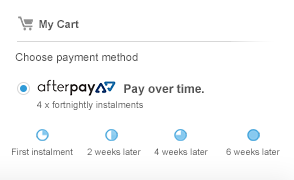

Use your existing debit or credit card

No long forms, instant approval online

Pay fortnightly, enjoy your purchase straight away!
All your need is:
1) An Australian Visa or Mastercard debit/credit card; 2) To be over 18 years of age; 3) To live in Australia
To see Afterpay's complete terms, visit https://www.afterpay.com.au/terms
© 2026 Afterpay