Sleep Apnea & Snoring Alternatives
Alternative and complementary sleep products for people managing snoring, mild sleep apnea, or positional sleep-disordered breathing — including mandibular advancement devices, positional therapy aids, nasal dilators, and anti-snoring solutions. These products are most appropriate for mild presentations or as adjuncts to existing therapy; if you have been diagnosed with moderate or severe obstructive sleep apnea, please discuss any change to your treatment approach with your sleep specialist before trialling alternatives to CPAP. Browse below for available options.
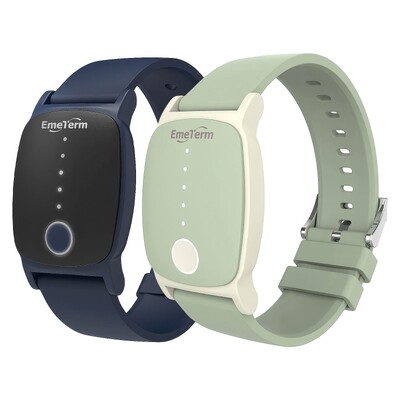
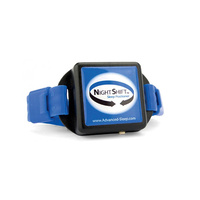
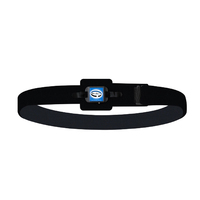
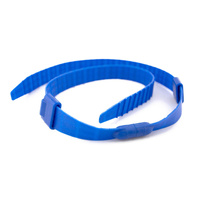
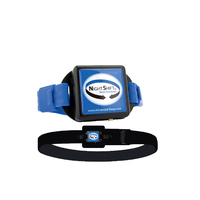
NightShift Night Shift Sleep Positioner Device Package with Chest Belt
SKU: NSSP-KIT
$499.00

Sleep Apnea Alternatives Guide
Are alternative products suitable for sleep apnea, or just snoring?
It depends on the severity of the condition and the specific product. For simple snoring without sleep apnea — where the airway is partially narrowed but not obstructing — devices such as mandibular advancement devices (MADs), nasal dilators, and positional therapy aids can be effective. For mild obstructive sleep apnea, some alternatives — particularly MADs and positional therapy — are recognised by sleep specialists as clinically appropriate options, especially when CPAP is not tolerated. For moderate to severe OSA, CPAP or BiPAP therapy remains the gold-standard treatment, and alternatives are generally not sufficient to adequately control apnea events and oxygen desaturation. If you're unsure where your diagnosis falls or whether an alternative product is appropriate for your situation, speak with your sleep specialist before purchasing. Our CPAP FAQ covers the treatment landscape in more detail.
What is positional therapy, and who is it for?
Positional sleep apnea is a subtype where apnea events occur predominantly or exclusively when sleeping on the back (supine position). For these patients, devices that encourage side sleeping — such as positional therapy vests or wedge systems — can significantly reduce event frequency without requiring CPAP. Positional therapy is most effective when a sleep study has confirmed that apnea events are substantially worse in the supine position. If you haven't had a sleep study, it's worth discussing positional testing with your specialist before investing in a positional therapy device. If you're already on CPAP and find your therapy pressure requirements are much higher in certain positions, positional therapy used alongside CPAP can sometimes allow pressure settings to be reduced — again, in consultation with your clinician. Contact our team if you'd like guidance on which product may be appropriate for your situation.