
Nasal CPAP Masks
Nasal CPAP masks cover the nose only, making them the most versatile mask type for nasal breathers — comfortable enough for long-term nightly use, stable enough to handle a wide range of therapy pressures, and available in a variety of designs to suit different face shapes and sleeping styles. Browse below from ResMed, Fisher & Paykel, Philips Respironics, and BMC — including traditional cushion designs, minimal-contact cradle masks, and top-of-head tube options for active sleepers.
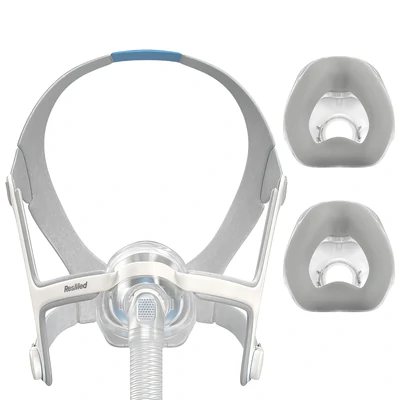
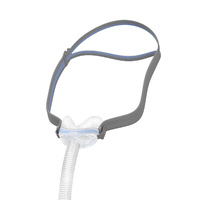
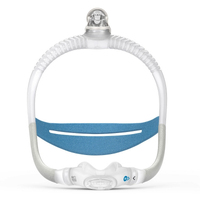
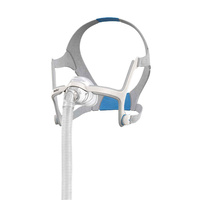
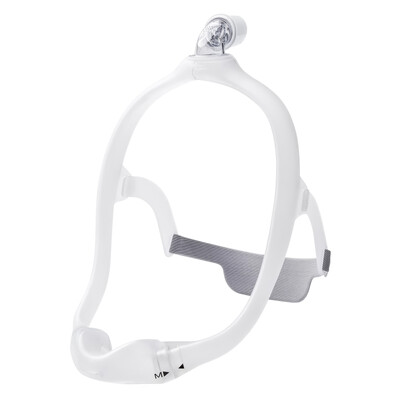
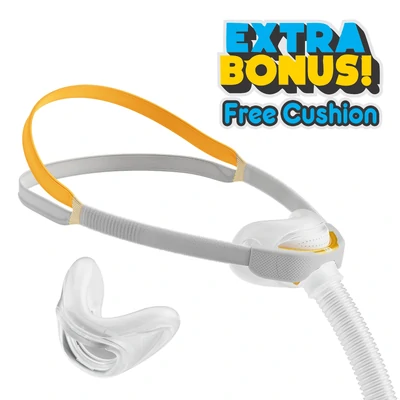
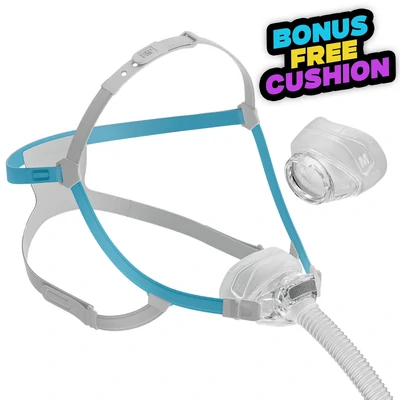
Fisher & Paykel Solo Nasal Mask with Bonus Cushion
SKU: FPSOLON_BC
Now from $159.00

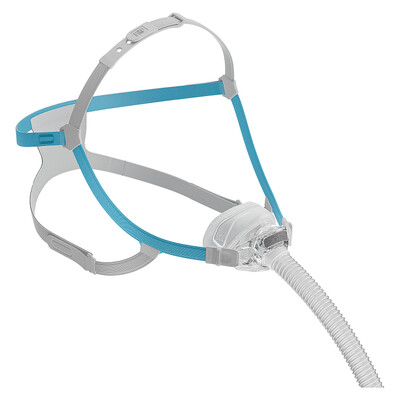
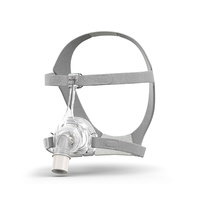
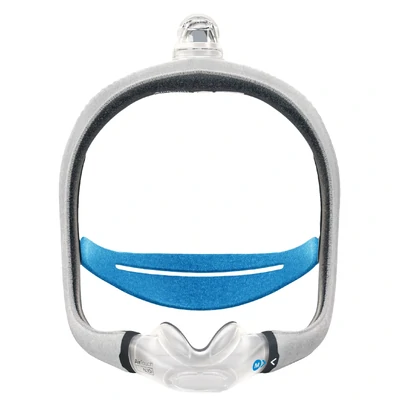
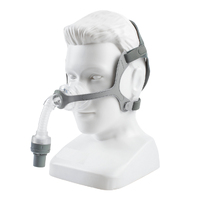
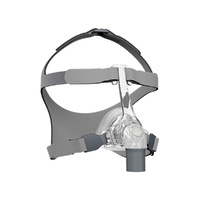
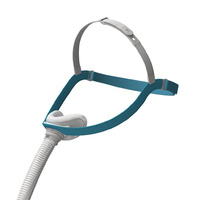
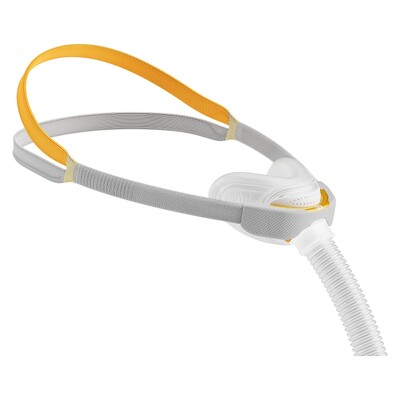
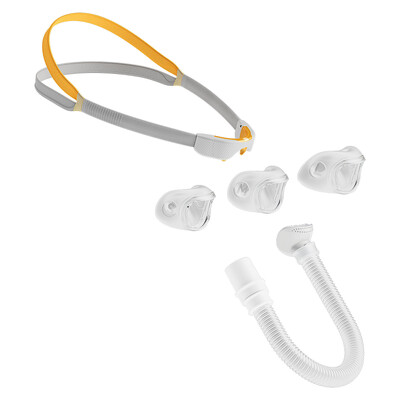
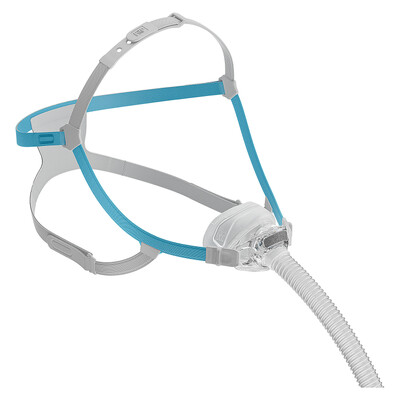

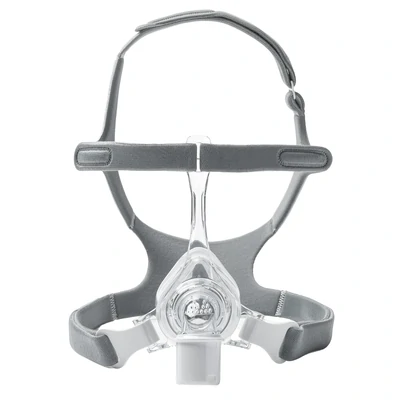
Philips DreamWisp Nasal Mask with Headgear & Medium Connector FitPack
SKU: PHI1137916
$159.00
Philips Respironics Pico Nasal CPAP Mask Fitpack (S/M, L & XLG Cushions)
SKU: PHI1104940
$149.00
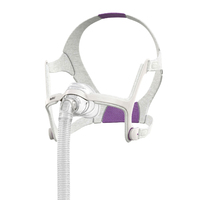
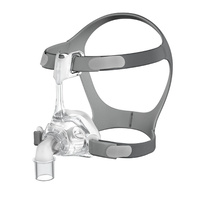
Which Nasal Mask Design Suits You?
There's more variety within nasal masks than most people realise, and the right design depends largely on how you sleep.
Traditional nasal cushion masks — like the ResMed AirFit N20, Fisher & Paykel Eson 2, and Fisher & Paykel Solo — feature a cushion that seals over the nose with a standard front-entry hose connection at the base. They deliver a reliable, well-tested seal and are a solid starting point for most nasal breathers. If you're new to CPAP therapy and sleeping position isn't a major concern, these are a safe first choice.
Cradle and under-nose masks — including the ResMed AirFit N30 and Fisher & Paykel Nova — cradle under the nose rather than sealing over the bridge, eliminating pressure marks on the nose and giving you a wider, unobstructed field of vision. They suit people who've found traditional nasal masks uncomfortable on the nose bridge, or who prefer reading or watching TV with their mask on before sleep.
Top-of-head tube designs — such as the ResMed AirFit N30i and Philips DreamWear Under the Nose — route the hose to the top of your head rather than the front of the mask. This removes the hose from your field of vision entirely and significantly reduces tangle and drag during sleep, making these the go-to choice for active sleepers and side sleepers who move around frequently throughout the night. If you regularly wake with your hose wrapped around you, a top-of-head design is worth trying.
Still weighing up your options? Our guide to selecting the right CPAP mask covers each design in detail alongside a comparison with other mask styles.
Frequently Asked Questions
What's the difference between a nasal mask and a nasal pillow mask?
A nasal mask seals over or under the nose with a cushion, covering the entire nasal area. A nasal pillow mask uses small inserts that sit directly at the entrance to the nostrils, with minimal contact across the face. Nasal pillow masks are lighter and less intrusive, but nasal masks generally handle higher therapy pressures more comfortably and provide a more stable seal if you move around during sleep. Many people who find nasal pillow masks uncomfortable at higher pressures switch to a nasal mask as their preferred long-term solution.
Can I use a nasal mask if I sometimes breathe through my mouth at night?
Occasional mouth breathing can cause air to escape through the mouth, which reduces therapy effectiveness and can cause dry mouth. A CPAP chin strap can help keep the mouth closed and is often used alongside a nasal mask for this reason. If mouth breathing is consistent rather than occasional, a full face CPAP mask is likely a better fit — it seals over both nose and mouth so there's no escape path for pressurised air.
Are there nasal masks for women or smaller faces?
Yes — several models in this range include For Her sizing or small-specific cushion options. The ResMed AirFit N20 for Her and AirTouch N20 for Her are designed with refined sizing and softer cushion geometry for a better fit on a woman's face. Many other masks in the range are also available in small cushion sizes. If you've previously found standard nasal mask sizing too large or the headgear too bulky, browsing by cushion size using the filters on this page is a good place to start.
How long do nasal mask cushions last?
How long do nasal mask cushions last?
Most nasal mask cushions are silicone and typically last three to six months with regular cleaning. The exception is the ResMed AirTouch N20, which use fabric memory foam cushions that should be replaced monthly. Signs it's time to replace — regardless of material — include air leaking despite a well-adjusted fit, visible cracking or yellowing, or new skin irritation around the seal. Replacement cushions and seals are available for all major nasal mask models — no need to replace the full mask system.