
Nasal Pillow CPAP Masks
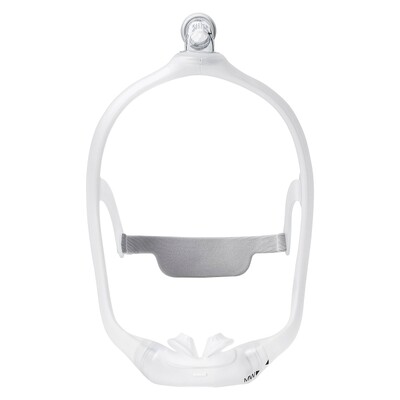
Nasal pillow CPAP masks are the most minimal mask style available — small silicone inserts sit at the entrance to your nostrils, with no cushion over the nose, no frame across the bridge, and no headgear bulk obscuring your face. If you've struggled to tolerate a larger mask, or you're starting CPAP therapy and want the least intrusive option possible, this is where most people begin. Browse below from ResMed, Fisher & Paykel, and Philips Respironics — including standard and top-of-head tube designs.
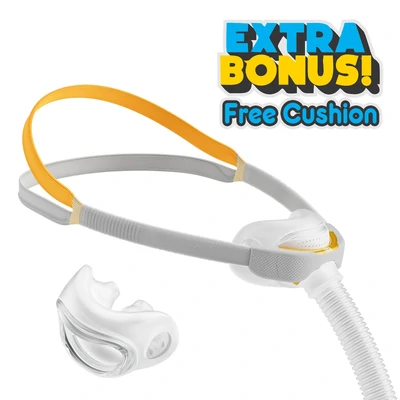
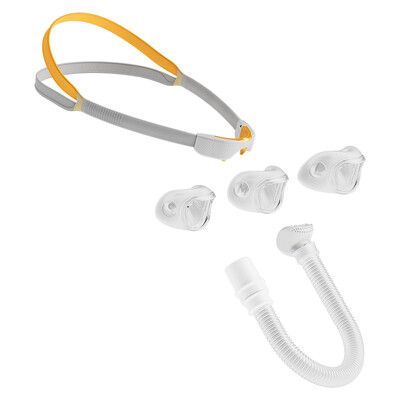
Fisher & Paykel Solo Nasal Pillow Mask with Bonus Cushion
SKU: FPSOLOP_BC
Now from $159.00
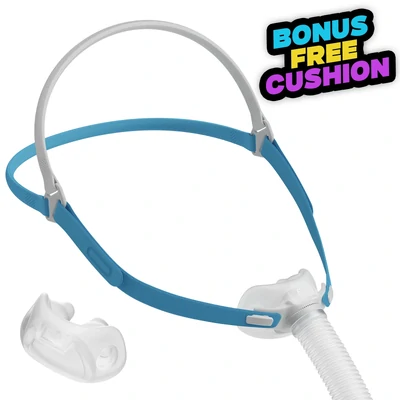
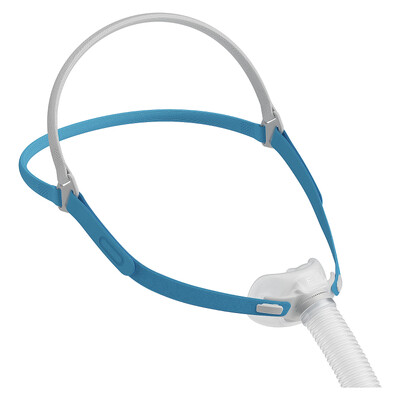
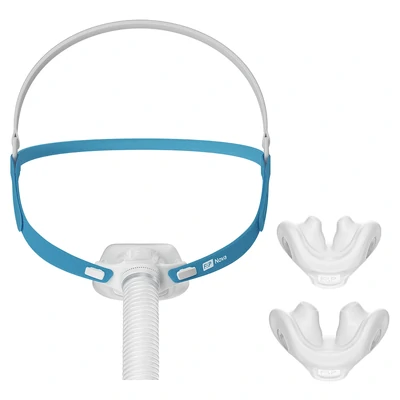
Fisher & Paykel Nova Micro Pillow Mask - BONUS Cushion
SKU: FPNOVAMICRO_BC
Now from $159.00
Who Are Nasal Pillow Masks Best Suited To?
Nasal pillow masks suit a specific set of needs particularly well. If any of these apply to you, a pillow mask is worth prioritising:
You feel claustrophobic in a larger mask. The minimal footprint of a pillow mask — no frame over the nose, no cushion across the face — is often the difference between tolerating CPAP therapy and not. Many people who couldn't persist with a full face or nasal mask find a pillow mask a turning point.
You wear glasses before sleep. Because pillow masks leave the nose and most of the face completely unobstructed, you can comfortably wear glasses right up until you're ready to sleep — something that's awkward or impossible with most other mask types.
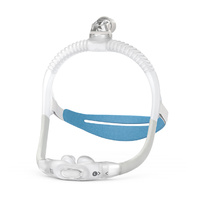
You're an active sleeper. Models with a top-of-head tube — like the ResMed AirFit P30i and Philips DreamWear Silicone Pillow — route the hose away from the front of the mask entirely, reducing drag and tangle during the night. For restless sleepers, this design is worth considering over a standard front-entry pillow mask.
You have a beard or facial hair. While no mask seals perfectly over dense facial hair, nasal pillow masks seal at the nostrils rather than across the face, making them more forgiving than cushion-based designs. The seal point is smaller and more contained, which reduces the impact of stubble or a full beard on therapy effectiveness.
The one scenario where nasal pillow masks may not be the right fit: if your prescribed therapy pressure is on the higher end, you may find the airflow through the nostrils uncomfortable over time. A nasal mask distributes pressure across a larger cushion area and tends to be more comfortable at higher settings. Our guide to selecting the right CPAP mask can help you work through which option suits your specific prescription.
Frequently Asked Questions
Can I use a nasal pillow mask if I breathe through my mouth at night?
No — nasal pillow masks only cover the nostrils, so if you breathe through your mouth during sleep, pressurised air will escape and your therapy won't be effective. If you're a confirmed mouth breather, a full face CPAP mask is the appropriate choice. If you only occasionally open your mouth, a nasal pillow mask paired with a chin strap can sometimes work — but it's worth discussing with your sleep specialist first.
Are there nasal pillow masks for women?
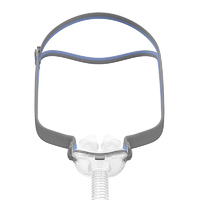
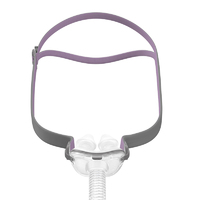
Yes — the ResMed AirFit P10 for Her is designed specifically with women in mind, featuring a quieter diffuser and a softer, more refined headgear system. You'll also find it within the broader For Her CPAP mask range. Many other pillow masks in this category are available in small sizes that suit a wider range of face shapes.
How often do nasal pillow cushions need replacing?
Nasal pillow cushions are silicone, so they typically last three to six months with regular cleaning. That said, because the seal relies on a precise fit at the nostrils, wear can affect therapy before it's visually obvious — if you're noticing increased leaking or nostril soreness, the pillows are usually the first thing to check. Replacement pillow cushions are available for all major models in this range.