Respiratory Care
Equipment for breathing easier at home. Right now that means oxygen therapy — concentrators that make their own oxygen from room air, and the cannulas, filters and batteries that keep them running — supplied and supported by the same team that has been looking after Australian CPAP users for over 25 years.
Respiratory equipment is prescribed, not chosen from a shelf, so we will need your prescription before we can supply a machine. Where we can help is what comes next: a prescription and a shortlist are not the same thing, and the delivery mode, flow rate and hours a day you have been prescribed can narrow the field to a single device. Call us on 1300 992 727 and we will work out which one fits.


Where to Start
If you have just been prescribed supplemental oxygen, the range breaks into two straightforward parts.
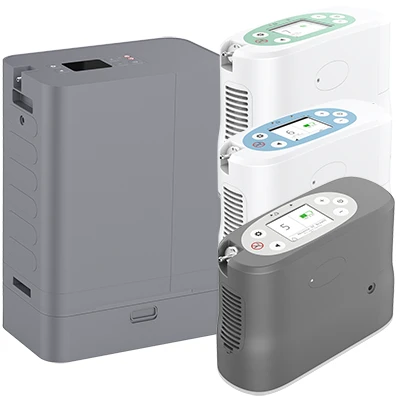
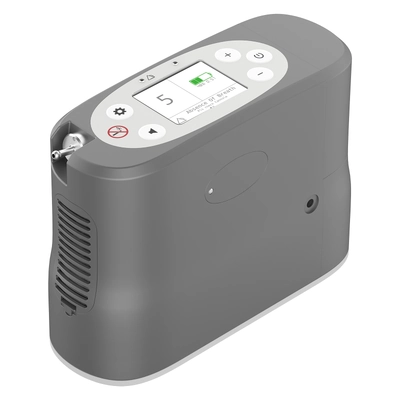
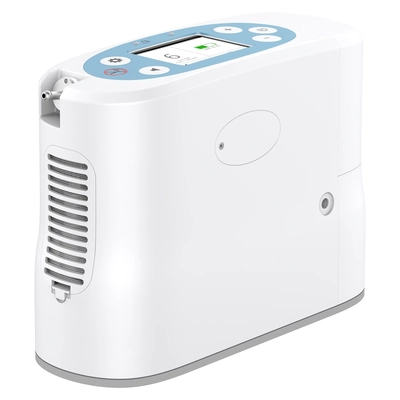
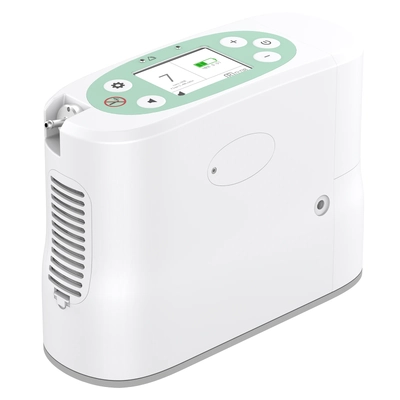
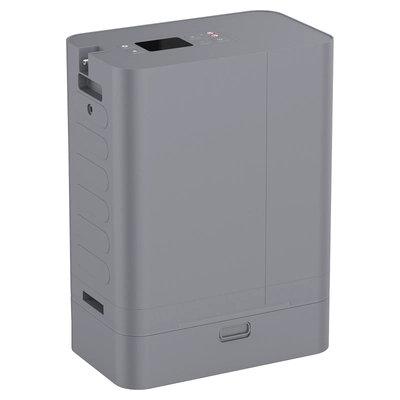
- Oxygen concentrators — the machines themselves, from 1.98kg pulse dose portables you wear over a shoulder through to a transportable unit delivering continuous flow to 3 LPM. Which one suits you is decided by your prescription, not by preference, and the concentrator page walks through exactly how to read that.
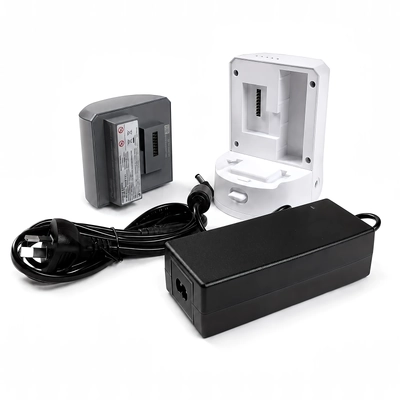
- Oxygen parts & accessories — nasal cannulas, intake filters, spare batteries, tubing and carry accessories. These are the consumables that keep a concentrator working properly, and the ones people tend to under-order.
- Using oxygen safely at home — worth reading before your machine arrives. Fire precautions, electrical rules, what to do in a blackout, and how to register as a life support customer with your electricity retailer.
Why a Concentrator Rather Than Cylinders
A concentrator makes its own oxygen. It draws in ordinary room air, separates out the nitrogen and delivers what remains at around 90% oxygen concentration — continuously, for as long as it has power. Nothing to refill, nothing to deliver, nothing to run out at an inconvenient moment.
Cylinders still have their place, particularly as a backup and for short periods at higher flow rates. But for daily, ongoing therapy a concentrator removes the logistics entirely, and that is usually the difference between therapy you keep up with and therapy you work around. The trade is that a concentrator needs power — mains, battery or a car socket — so planning a long day out becomes a question of runtime rather than cylinder count.
What You Need Beyond the Machine
Every concentrator arrives ready to use, but how much is in the box varies sharply between models, and it is worth knowing which one you are buying.
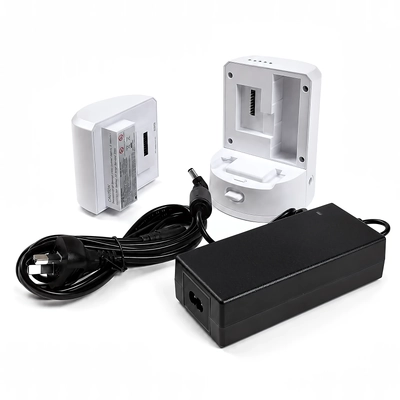
The P2-TOC is packed generously: two batteries, an external charger, a cart, a carry bag, extension tubing, two sets of five air filters and twelve nasal cannulas — which Kingon rates as a year's supply. The P2-E models include two batteries but only a single cannula, which is roughly one month's use. If you are buying a P2-E, add a supply of cannulas to the same order rather than finding out in four weeks.
What people run short of first is exactly those consumables:
- Nasal cannulas — a fresh one roughly every month, more often if you have been unwell.
- Intake filters — a dirty filter makes the compressor work harder and shortens its life. Keep a spare pack on hand.
- A spare battery — the single best upgrade for anyone who wants a full day out rather than a few hours.
Respiratory Therapy and Sleep Apnea Are Not the Same Thing
Worth saying plainly, because we are asked constantly. Oxygen therapy does not treat sleep apnea, and CPAP does not treat low blood oxygen. A CPAP machine uses air pressure to hold your airway open; a concentrator raises the oxygen content of the air you breathe. Neither substitutes for the other.
If you have been prescribed both together, that is a third arrangement again, and the connection method matters as much as the machine — it needs a continuous flow source and an oxygen port or enrichment adapter. There is a fuller explanation on the oxygen concentrators page, and it is worth reading before you buy anything.
Why Buy Respiratory Equipment From Us
We have spent 25 years supplying prescribed breathing equipment to Australians and supporting it afterwards, which is a different proposition to shipping a box. Everything we sell is included in the ARTG. Warranties are honoured and serviced here rather than sent overseas. And if you ring the number on this page, you will speak to someone who knows the equipment rather than reading from a script.
Interest-free payment options are available at checkout through Afterpay, Zip and PayPal Pay in 4, and equipment may be claimable through your private health fund or through NDIS or DVA — tell us before you order and we will handle the invoicing to suit.
Frequently Asked Questions
Do I need a prescription for home oxygen in Australia?
Yes. Supplemental oxygen is a prescribed therapy, and your flow setting should be determined by a qualified medical practitioner. We are glad to talk through the options before you have one, but please do not self-prescribe a setting — too much oxygen carries its own risks, and pulse settings are not litres per minute.
Can I claim respiratory equipment through NDIS or DVA?
Often, yes, depending on your plan and your circumstances. Tell us before you order and we will handle the invoicing to suit. Start with our NDIS and DVA enquiry form and we will come back to you.
How long does an oxygen concentrator last?
The machines we stock carry a three-year warranty, extended to five years if you register within 14 days, with twelve months on the battery and sieve bed. Sieve beds and batteries are consumable by nature and will need replacing before the concentrator itself does — keeping the intake filters clean is the single biggest thing you can do to extend the life of both.
Should I monitor my oxygen levels at home?
Many prescribers ask patients to, and a pulse oximeter is an inexpensive way to do it. Follow the guidance you have been given about target ranges and when to make contact — a reading on its own is not a diagnosis.
Talk to Us First
Respiratory equipment is not a purchase to guess at, and the difference between the right machine and the nearly-right one is measured in how well you can live with it. Call 1300 992 727 or send us a message and we will check the model against your prescription before you order. Ready to compare machines? Start with the oxygen concentrator range.