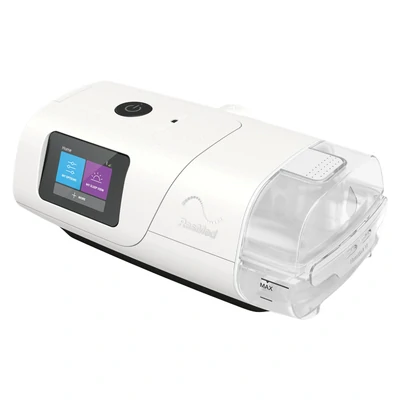
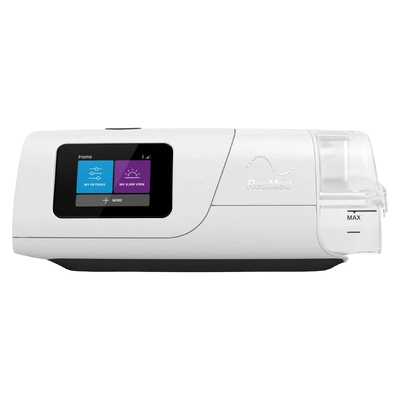
ResMed AirCurve 11 VAuto Auto-Adjusting Bilevel (BiPAP) Machine
Prescription Preferred
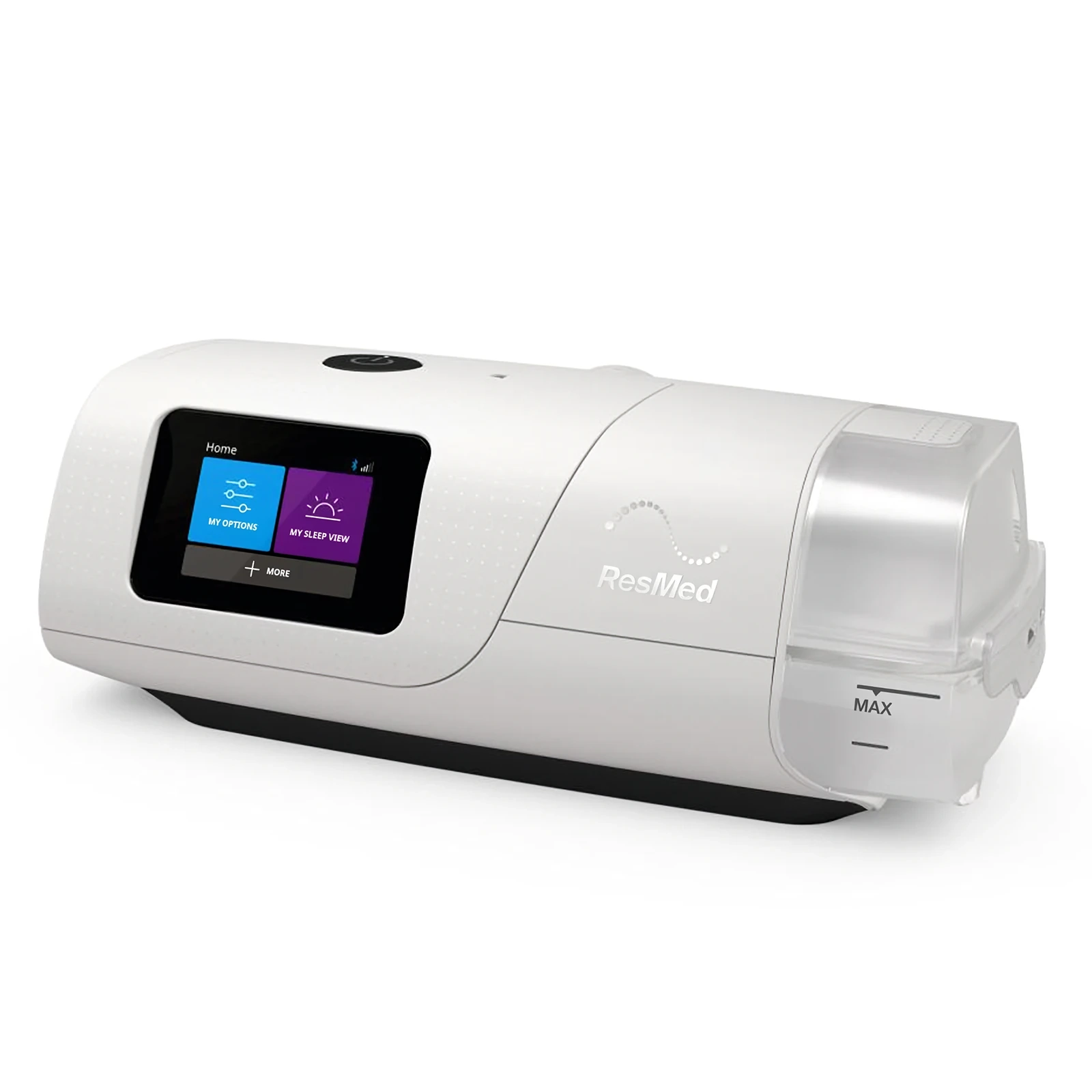
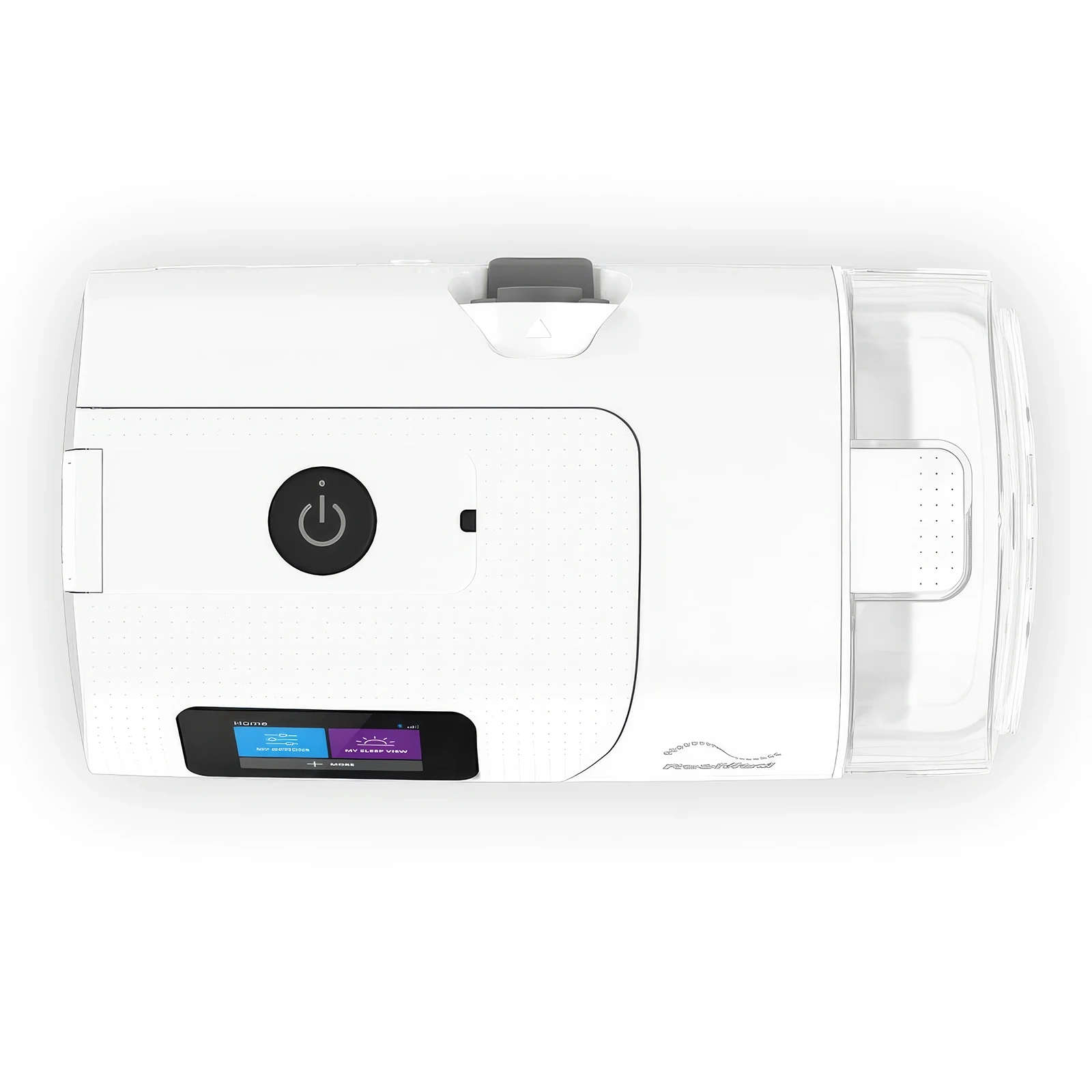
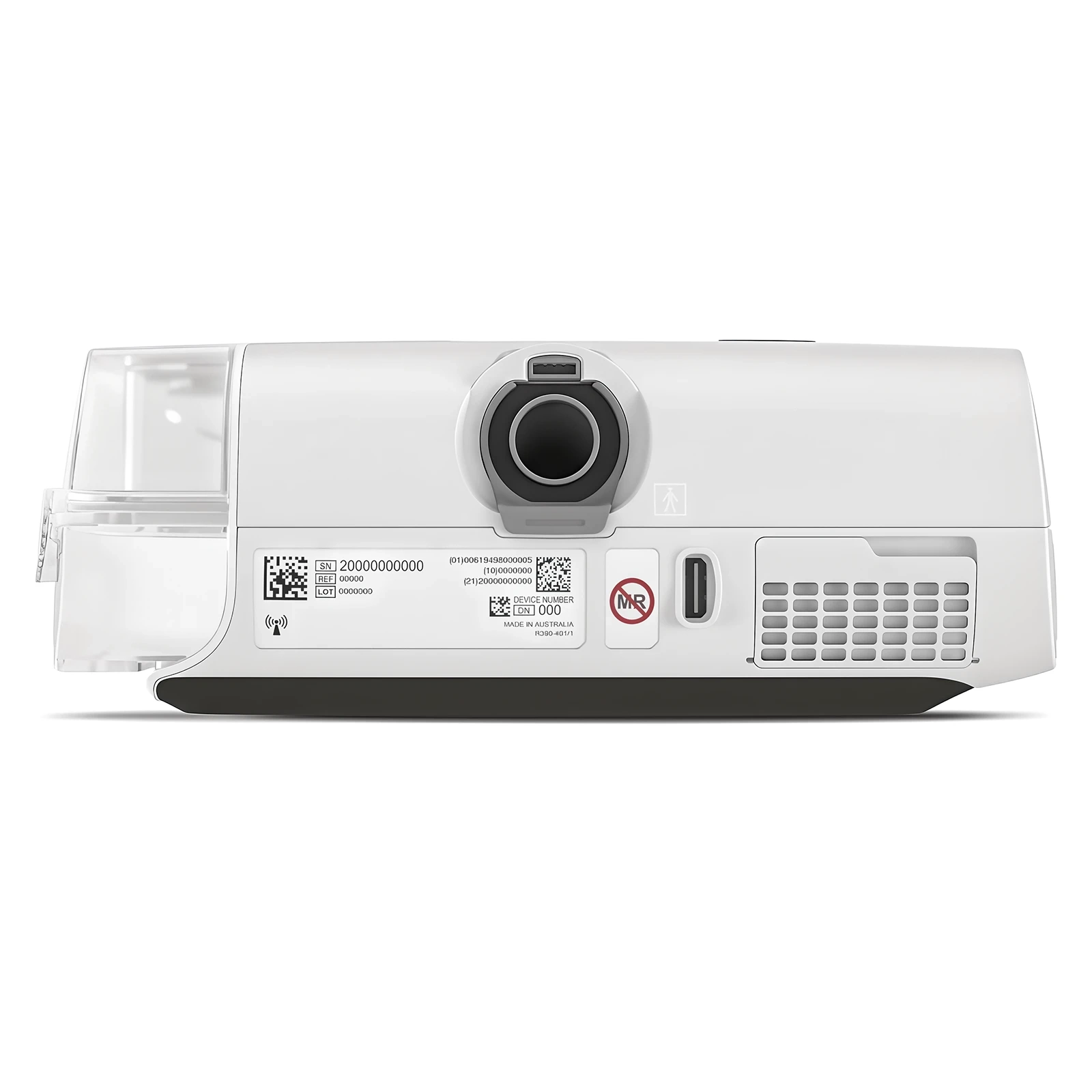
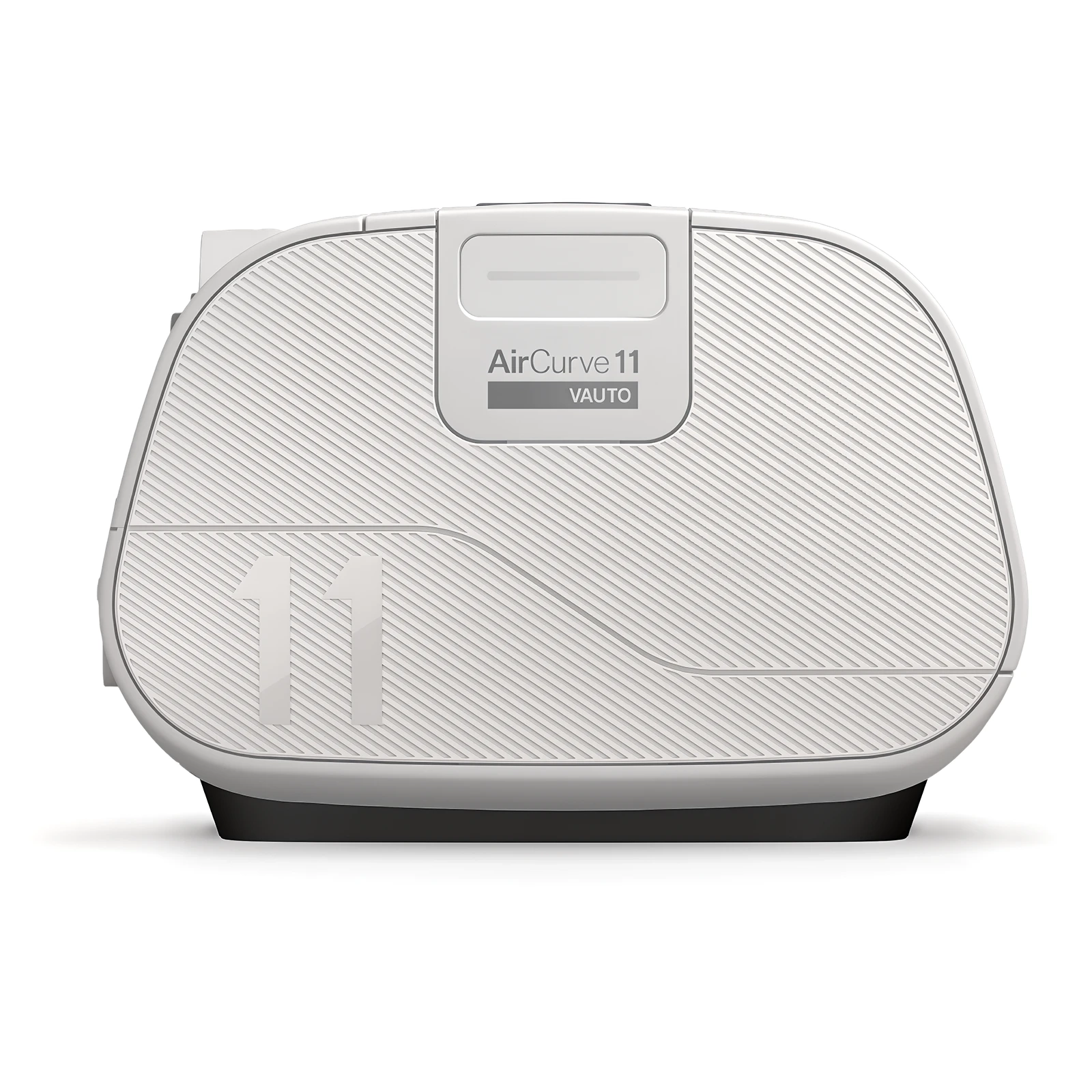
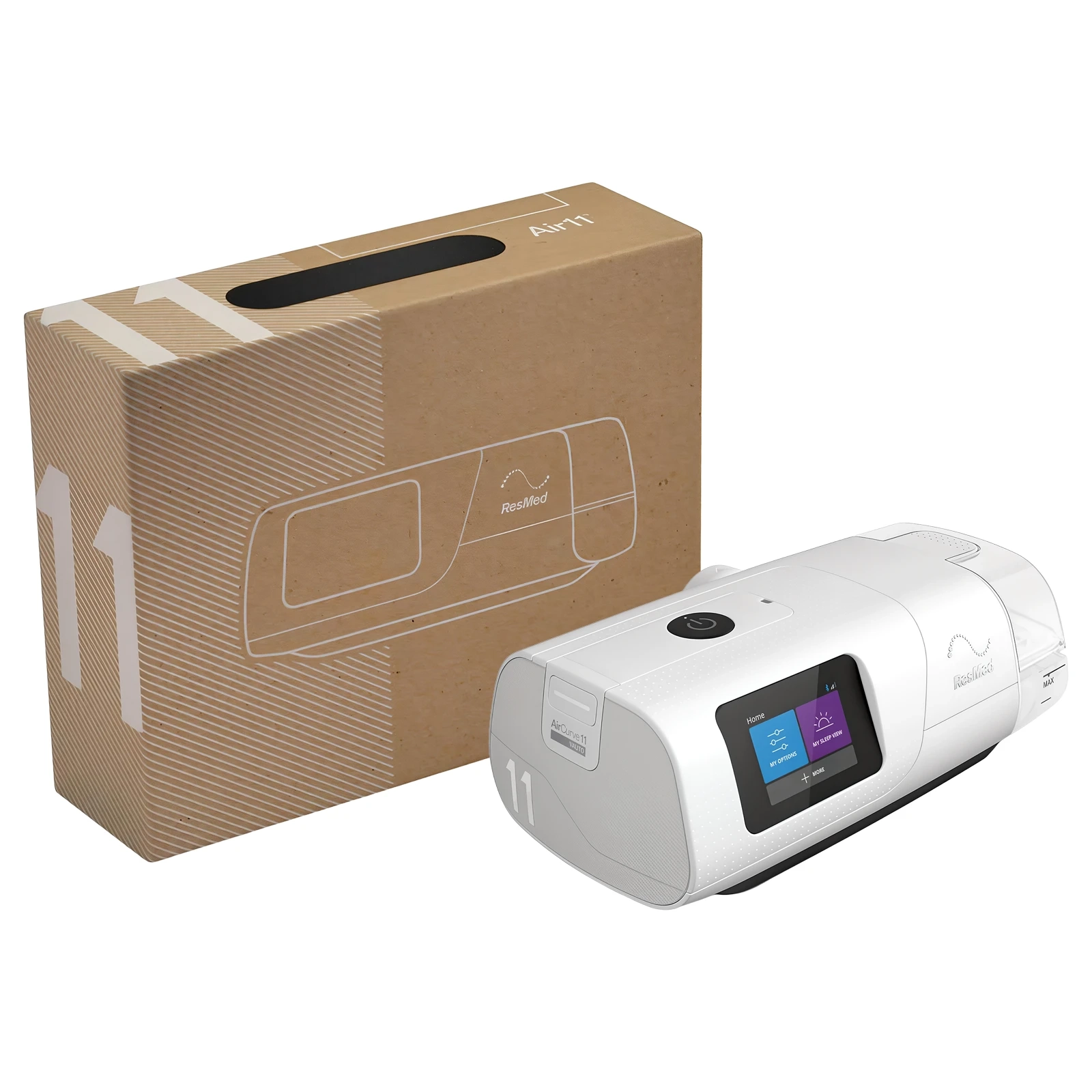
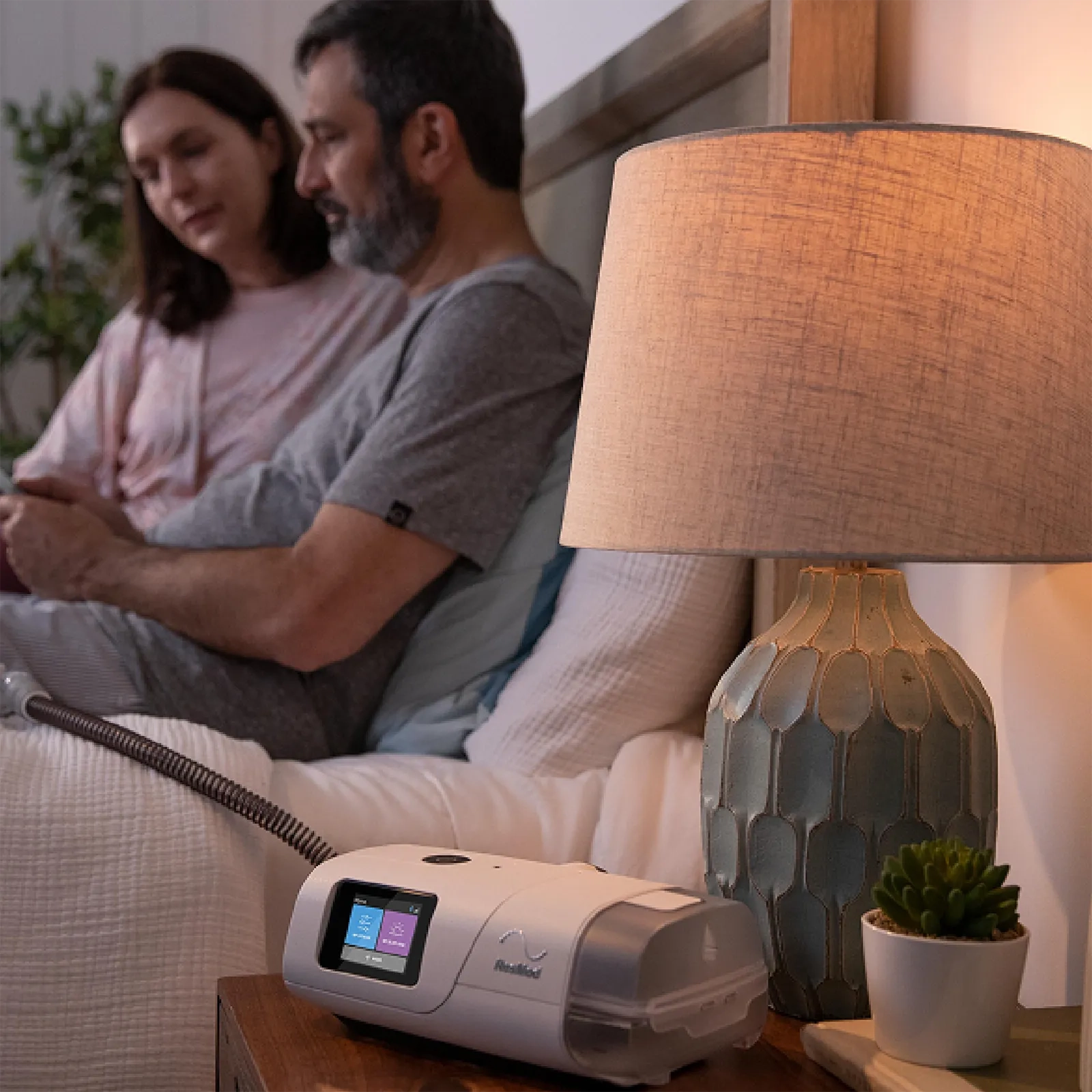
SKU: RES39111 | MPN: 39111
- Programmed to your prescription before dispatch
- Auto-adjusting EPAP with fixed pressure support
- Easy-Breathe waveform follows your breathing
- Three modes: VAuto, S and CPAP
- HumidAir 11 heated humidification built in
- Cellular and Bluetooth data to myAir
Price on application. Send us an enquiry and our team will come back to you with pricing and availability.
Prefer to talk? Call 1300 992 727.
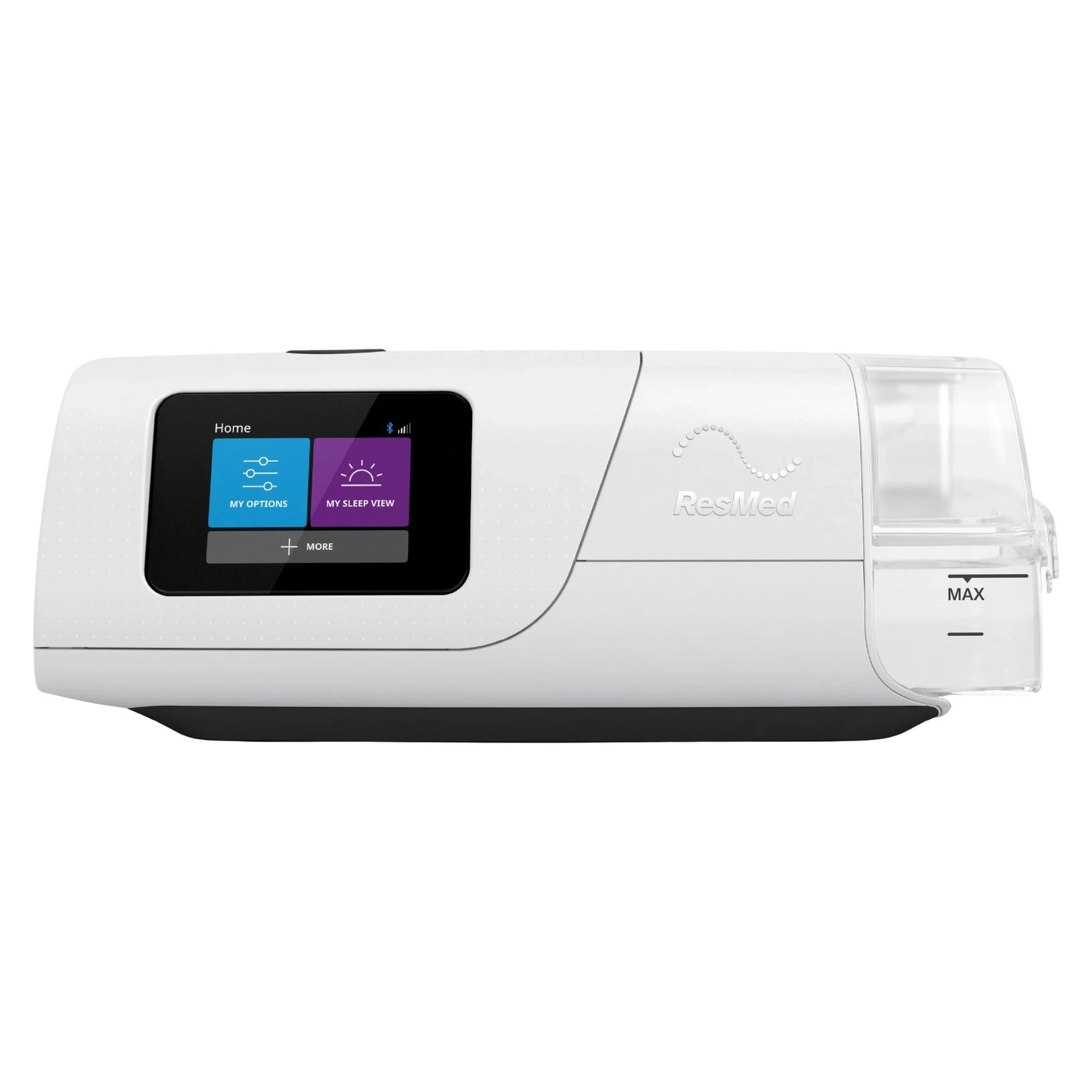
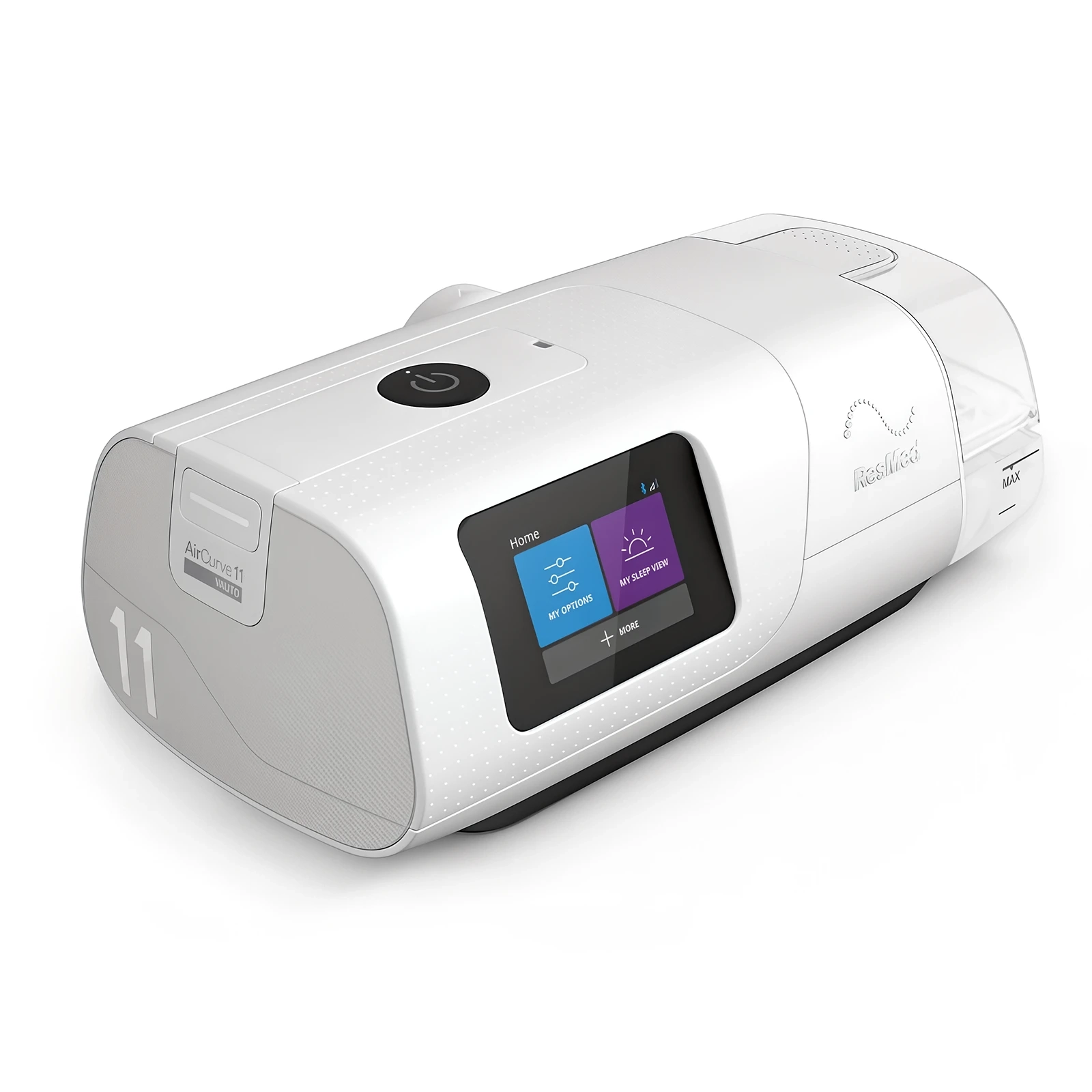
The ResMed AirCurve 11 VAuto is an auto-adjusting bilevel machine for people with obstructive sleep apnea (OSA) who need more support than a standard CPAP — higher pressure as you breathe in, lower as you breathe out, with built-in heated humidification.
The ResMed AirCurve 11 VAuto is an auto-adjusting bilevel machine for people with obstructive sleep apnea who need more than a single fixed pressure. It delivers a higher pressure as you breathe in and drops to a lower pressure as you breathe out, so exhaling feels closer to natural breathing than it does on standard CPAP. It shares the Air11 platform with the AirSense 11 AutoSet, and it is the first auto-adjusting bilevel ResMed has brought to Australia and New Zealand.
How Bilevel Differs from CPAP
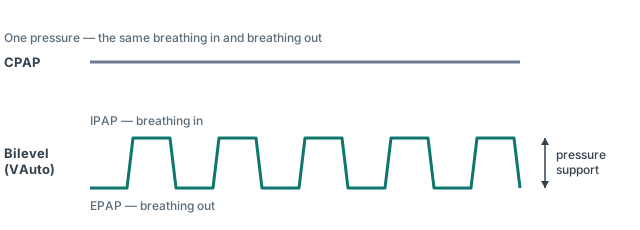
A CPAP machine holds one pressure all night. You breathe in against it and you breathe out against it. That suits most people, but at higher prescribed pressures exhaling starts to take real effort — and that is one of the most common reasons people give up on therapy altogether.
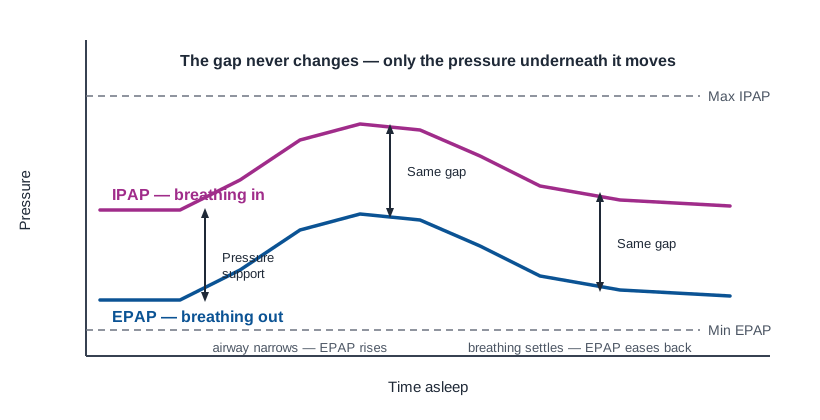
Bilevel splits the pressure in two. The higher one, IPAP, supports you as you breathe in. The lower one, EPAP, drops away as you breathe out so you are not pushing against the full pressure. The difference between the two is called pressure support.
What the Numbers on Your Prescription Mean
A bilevel prescription looks different to a CPAP one — instead of a single pressure, you will see three or four figures. Here is what each does.
- Min EPAP — the lowest pressure the machine will drop to as you breathe out. This is the floor.
- Max IPAP — the highest pressure it will reach as you breathe in. This is the ceiling.
- Pressure support — the fixed gap between your breathing-in and breathing-out pressure. This is the bit you actually feel, and it stays the same all night.
- Ramp — a gentler starting pressure that builds up over 5 to 45 minutes while you fall asleep. Optional, and you can change it yourself.
In VAuto mode the machine moves your EPAP up and down between those limits in response to flow limitation, snoring and obstructive apnoeas. Pressure support stays fixed on top of it, so the relief you feel on each breath out is consistent rather than shifting under you while you sleep.
Three Therapy Modes in One Device
If your therapy needs change, the machine does not have to. All three modes are built in, and a clinician can switch between them remotely.
VAuto
The mode most people are prescribed. EPAP adjusts automatically through the night in response to your airway, with pressure support held at a fixed level on top of it. Auto-adjusting, with no back-up breathing rate.
S — Spontaneous
Fixed IPAP and fixed EPAP, both set by your clinician, with adjustable rise time. Every breath is still triggered by you. Used where a titration study has landed on two specific pressures rather than a range.
CPAP
One steady pressure, the same in and out. Useful as a fallback if you are stepping down, or if a clinician wants to compare how you respond on a single pressure without a second device.
Key Features
- Auto-adjusting EPAP with fixed pressure support — the underlying pressure tracks your airway while the difference you feel on each breath out stays steady.
- Easy-Breathe waveform — ResMed shapes the pressure change to mirror your own breathing rhythm rather than switching between two levels abruptly. In practice this is the difference between the machine feeling like it is working with you and feeling like it is pushing at you.
- TiControl inspiratory time limits — caps how long the machine spends at inspiratory pressure, so it does not cut your breath short or hold pressure too long. This is what prevents the out-of-step feeling some people get on bilevel.
- Trigger and cycle sensitivity — adjustable settings that determine how much effort it takes to start a breath and when the machine hands you back to exhaling. A clinician tunes these if the timing feels wrong.
- VSync leak management — compensates for mask and mouth leak so the machine keeps detecting your breaths accurately.
- Central sleep apnoea detection — distinguishes obstructive from central apnoeas and records them for your clinician.
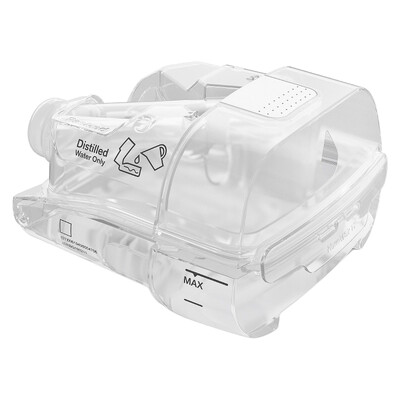
- HumidAir 11 heated humidification — a 380 mL tub built into the side of the device. Paired with the ClimateLineAir 11 heated tubing in the box for Climate Control, which stops condensation pooling in the hose.
- Built-in cellular and Bluetooth — therapy data syncs to myAir and AirView automatically, so a clinician can review it and adjust settings remotely without you posting the machine anywhere.
Who Is This For?
Bilevel therapy is for people already diagnosed with obstructive sleep apnea who need more pressure support than CPAP provides, or who have found high fixed pressures uncomfortable to breathe out against. If you have been prescribed pressures above the CPAP range, or you abandoned CPAP because exhaling felt like too much work, the AirCurve 11 VAuto is the machine most commonly prescribed as the next step.
Three devices sit next to each other in this range, and they are not interchangeable. This is the decision worth getting right before you buy.
Obstructive apnoea, comfortable on CPAP
A single auto-adjusting pressure is doing the job and exhaling is not a struggle. The AirSense 11 AutoSet is the right device, and there is no benefit in moving to bilevel.
Obstructive apnoea, struggling on CPAP
Events are controlled but the pressure is hard to breathe out against, or you have stopped using the machine because of it. This is what the AirCurve 11 VAuto is built for.
Central, mixed or periodic breathing
Your diagnosis involves central or mixed apnoeas, or Cheyne-Stokes respiration. VAuto is the wrong device — the AirCurve 11 ASV is correct, and it does require a prescription.
What this is not is a machine to buy on a hunch. Bilevel runs on three prescribed numbers — minimum EPAP, maximum IPAP and pressure support — and without them from a sleep study or a clinician, you are guessing at your own therapy. If you are still deciding between device categories, our guide on how to choose the right CPAP machine covers the differences between CPAP, BiPAP and ASV.
Do you need a prescription? In Australia and New Zealand, no — regulations here do not require one for the AirCurve 11 VAuto, because it treats obstructive sleep apnoea. The AirCurve 11 ASV and the Lumis range are different: those remain prescription-only. You will still need therapy settings, and ResMed recommends clinical oversight. If you have a prescription or a titration report, send it through with your order and we will configure the machine before it ships.
If you do not have one, we set the machine up conservatively — within the same pressure boundaries used for an auto-adjusting CPAP, starting at the device's default pressure support. Where your therapy looks like it needs more support than that starting point, or anything about your history is complicated, we will tell you so and ask you to speak to a clinician first. That is deliberately cautious, and it is the reason we would rather you rang us than guessed.
Who Should Not Use This Device
Positive airway pressure therapy may be contraindicated if you have certain pre-existing conditions. Talk to your doctor before starting therapy if any of these apply to you.
- Severe bullous lung disease
- Pneumothorax or pneumomediastinum
- Pathologically low blood pressure, particularly where it is associated with intravascular volume depletion
- Dehydration
- Cerebrospinal fluid leak
- Recent cranial surgery
- Cranial trauma
What to Expect in the First Few Nights
Moving from CPAP to bilevel takes a little adjusting, even though it should feel easier. A few things are normal early on.
- The rhythm feels different. The pressure now changes with every breath rather than sitting still. Most people stop noticing within a week.
- Your mask may leak where it did not before. The higher inspiratory pressure finds gaps a lower CPAP pressure never exposed. Use the Mask Fit function on the touchscreen to check the seal before you settle in.
- Some bloating or air swallowing. More common on bilevel than CPAP. It usually settles, but mention it if it does not.
- Dry mouth or nose. Turn the humidity up before assuming the therapy is the problem.
Use the ramp for the first fortnight if the full pressure feels like a lot at bedtime, and try Test Drive while you are awake to get used to the sensation.
When to Go Back to Your Doctor
Contact your GP or sleep specialist if you are still waking unrefreshed after a few weeks of consistent use, if your myAir data shows a high number of events per hour, if you get persistent headaches, chest discomfort or breathlessness, or if the machine feels consistently out of step with your breathing. Several of those are settings problems rather than device problems — and settings can be changed remotely.
What's in the Box
- AirCurve 11 VAuto device
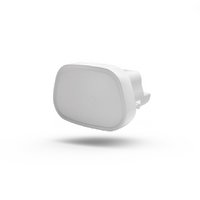
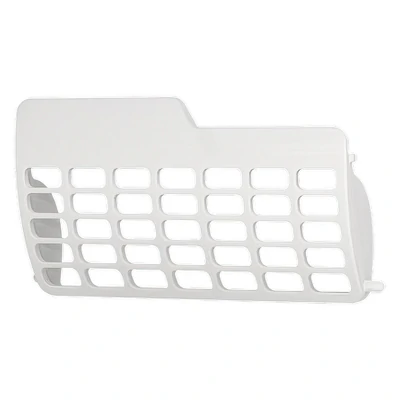
- Side cover (where supplied)
- HumidAir 11 Cleanable tub
- ClimateLineAir 11 heated tubing
- Air11 90 W power supply unit
- Air11 air filters
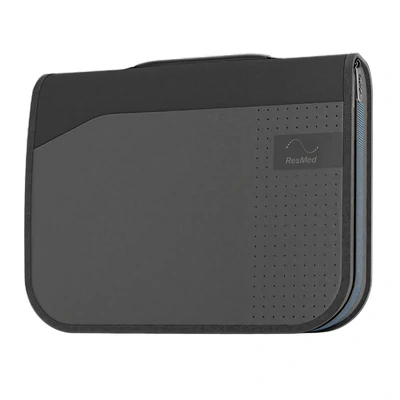
- Travel bag
While the AirCurve 11 works with any vented CPAP mask, our full face CPAP masks are the combination most commonly paired with bilevel therapy — particularly if you are on higher pressures or breathe through your mouth overnight.
AirCurve 11 VAuto FAQs
Is there a separate AirCurve 11 S machine?
No. S mode is built into every AirCurve 11 VAuto, alongside VAuto and CPAP modes, so there is no separate device to buy. If your prescription specifies S mode with fixed pressures, this is the machine.
Can I use my AirSense 11 power supply?
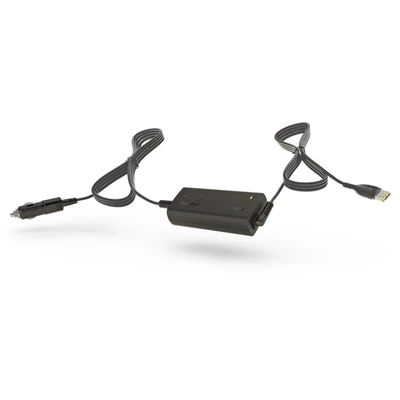
No. The AirCurve 11 ships with a 90 W supply because the motor delivers bilevel therapy at higher pressures than an AirSense 11. The 65 W AirSense 11 supply is not interchangeable, and the two look similar enough that it is worth checking the label before you pack for a trip.
Is the algorithm different to the AirCurve 10 VAuto?
No. The VAuto algorithm carries forward unchanged — the same clinical behaviour on a newer platform. What has changed is around it: a touchscreen instead of button navigation, built-in cellular alongside Bluetooth, and over-the-air updates so the device can gain features after you buy it.
I am on CPAP now. Can I just switch myself across?
No. Even though ANZ regulations do not require a prescription for this device, moving from CPAP to bilevel changes your therapy, and the three numbers it runs on have to come from a clinician or a titration study. Speak to your GP or sleep specialist before switching.
Will my AirSense 10 or AirCurve 10 accessories fit?
The tubing and humidifier tub will not — the Air11 platform uses ClimateLineAir 11 tubing and the HumidAir 11 tub. Your mask will be fine, since any vented CPAP mask works with this device.
| Specification | Detail |
|---|---|
| Device type | Bilevel positive airway pressure device |
| Indication | Obstructive sleep apnoea, patients over 30 kg (over 13 kg in CPAP and S modes) |
| Therapy modes | VAuto, S (Spontaneous), CPAP |
| VAuto pressure range | IPAP 4–25 cm H₂O, EPAP 4–25 cm H₂O, pressure support 0–10 cm H₂O |
| S mode pressure range | IPAP 4–25 cm H₂O, EPAP 2–25 cm H₂O |
| CPAP mode pressure range | 4–20 cm H₂O |
| Maximum pressure | 25 cm H₂O |
| Ramp time | Off, or 5 to 45 minutes in 5-minute increments |
| Sound pressure level | 27 dBA with HumidAir 11 tub (26 dBA with side cover), ±2 dBA |
| Dimensions (H x W x D) | 94.5 mm x 259.4 mm x 138.5 mm with HumidAir 11 tub |
| Weight | 1,229 g including HumidAir 11 tub |
| Humidifier water capacity | 380 mL |
| Compatible heated tubing | ClimateLineAir™ 11 heated tubing or SlimLine™ tubing |
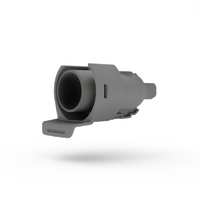
| Air outlet | 22 mm conical connector (EN ISO 5356-1:2015) |
| Power supply | Air11 90 W AC adaptor, 100–240 V, 50–60 Hz |
| Typical power consumption | 65.3 W |
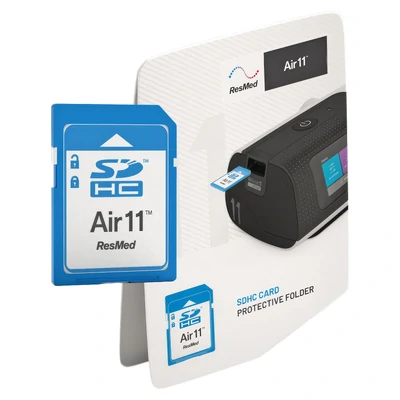
| Connectivity | Built-in cellular, Bluetooth, SD card capable (not included) |
| Supplemental oxygen | Up to 15 L/min |
| Operating altitude | Sea level to 2,591 m |
| Aircraft use | Meets FAA requirements (RTCA/DO-160) for all phases of air travel |
| Design life | Device and power supply 5 years |
| Supplied accessories | HumidAir 11 Cleanable tub, ClimateLineAir 11 tubing, Air11 90 W power supply, air filters, travel bag, side cover (where supplied) |
| SKU | RES39111 |
| Model # | 39111 |
| ARTG # | 236085 |
| UPC/EAN | 619498391110 |
| Brand | ResMed |
| Shipping Weight | 2.3000kg |
| Shipping Width | 0.370m |
| Shipping Height | 0.120m |
| Shipping Length | 0.290m |
| Shipping Cubic | 0.012876000m3 |
More From This Category
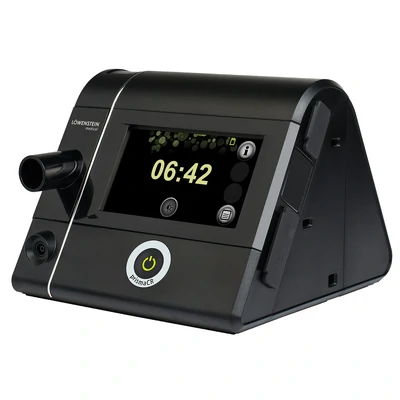
PrismaCR AcSV Therapy set with PrismaAQUA Humidifier & Heated Tube
SKU: LOW29960-2111-KIT2
$3,450.00

Lowenstein Prisma 25ST BiLevel (AUTO) S/T set with PrismaAQUA Humidifier & Heated Tube
SKU: LOWWM-29920-1111-KIT2
$3,599.00
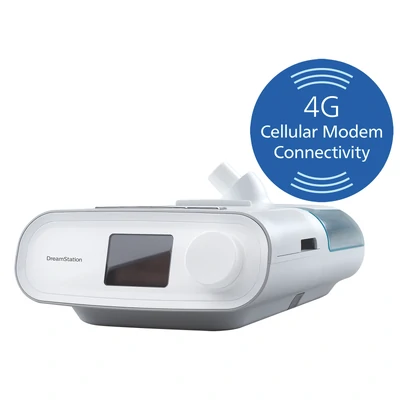
Philips DreamStation Auto BiPAP with Humidifier, Heated Tube & 4G Modem
SKU: PHIAUX700T15C
$2,099.00
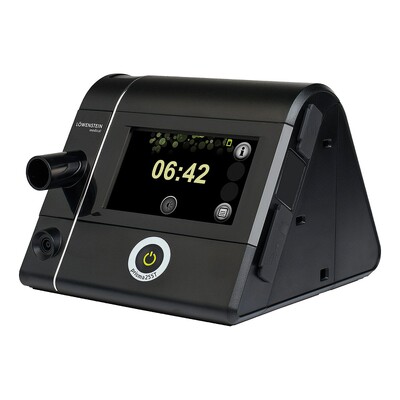
Lowenstein Prisma 25ST BiLevel (AUTO) S/T set with PrismaAQUA Humidifier, Heated Tube & Modem
SKU: LOWWM-29920-1111-KIT
$3,899.00
ResMed Lumis 150 VPAP ST 4G Wireless Connectivity, HumidAir & ClimateLineAir
SKU: RES28125
$3,699.00
Philips DreamStation BiPAP AVAPS 4G Modem with Humidifier & Heated Tube
SKU: PHIAUX1131T15C
$3,299.00