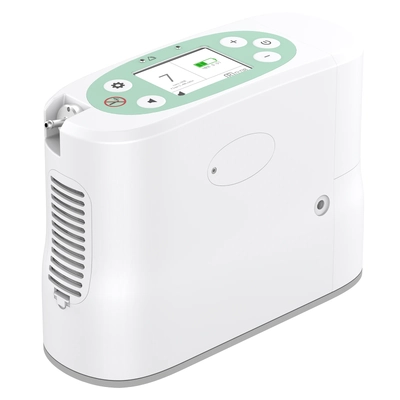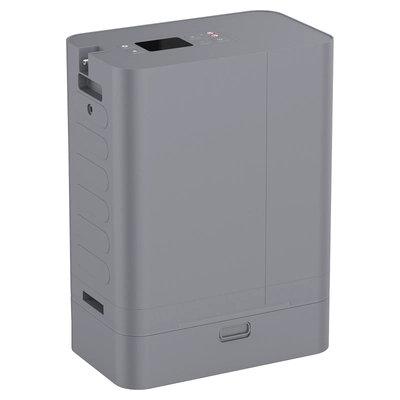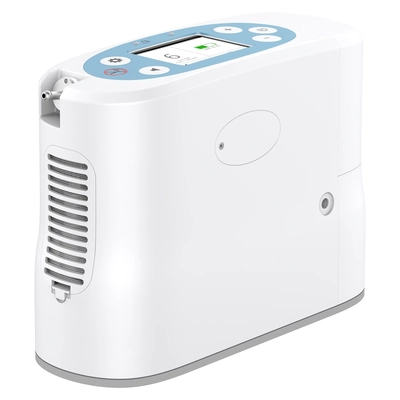
Kingon P2-E Portable Oxygen Concentrator
Prescription Required
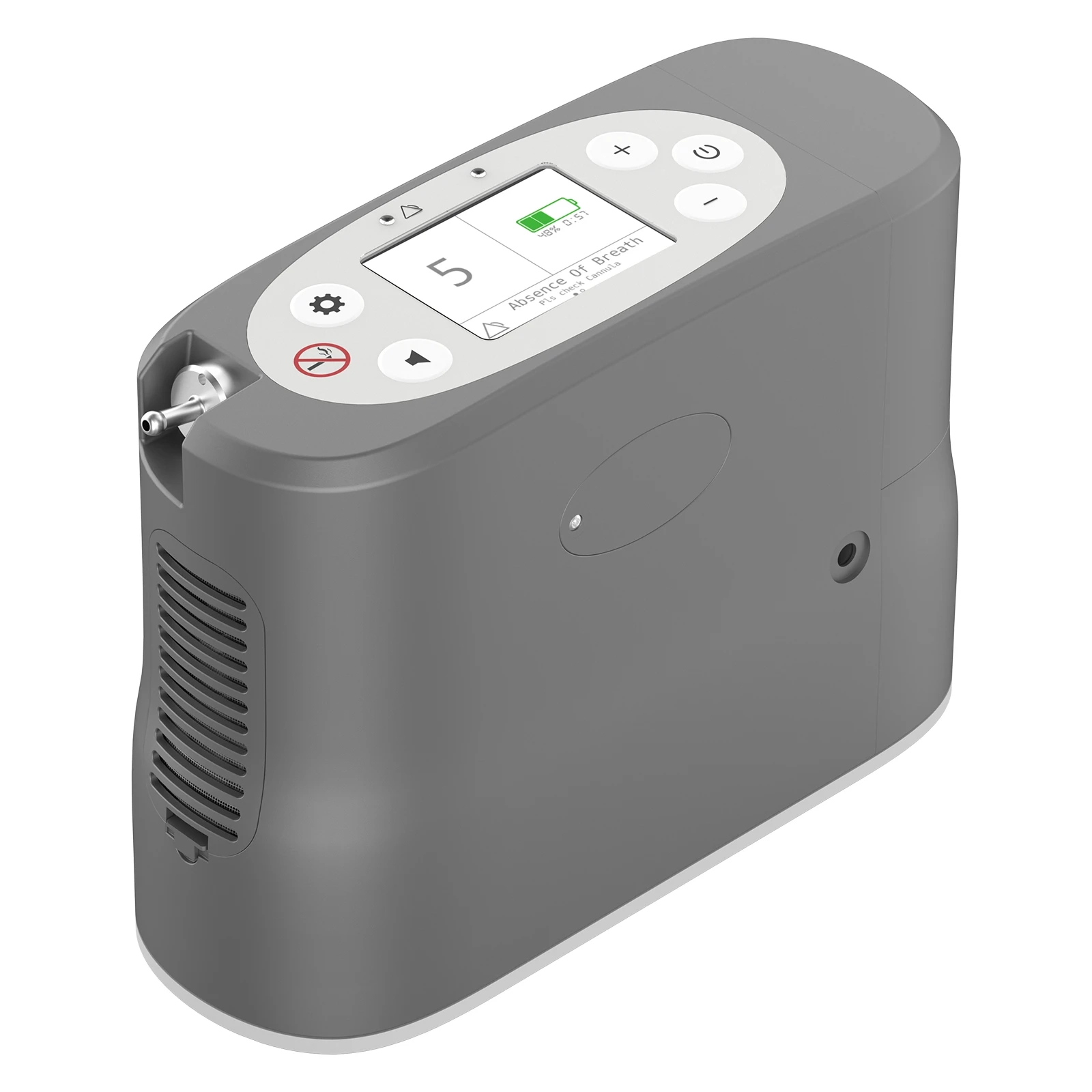
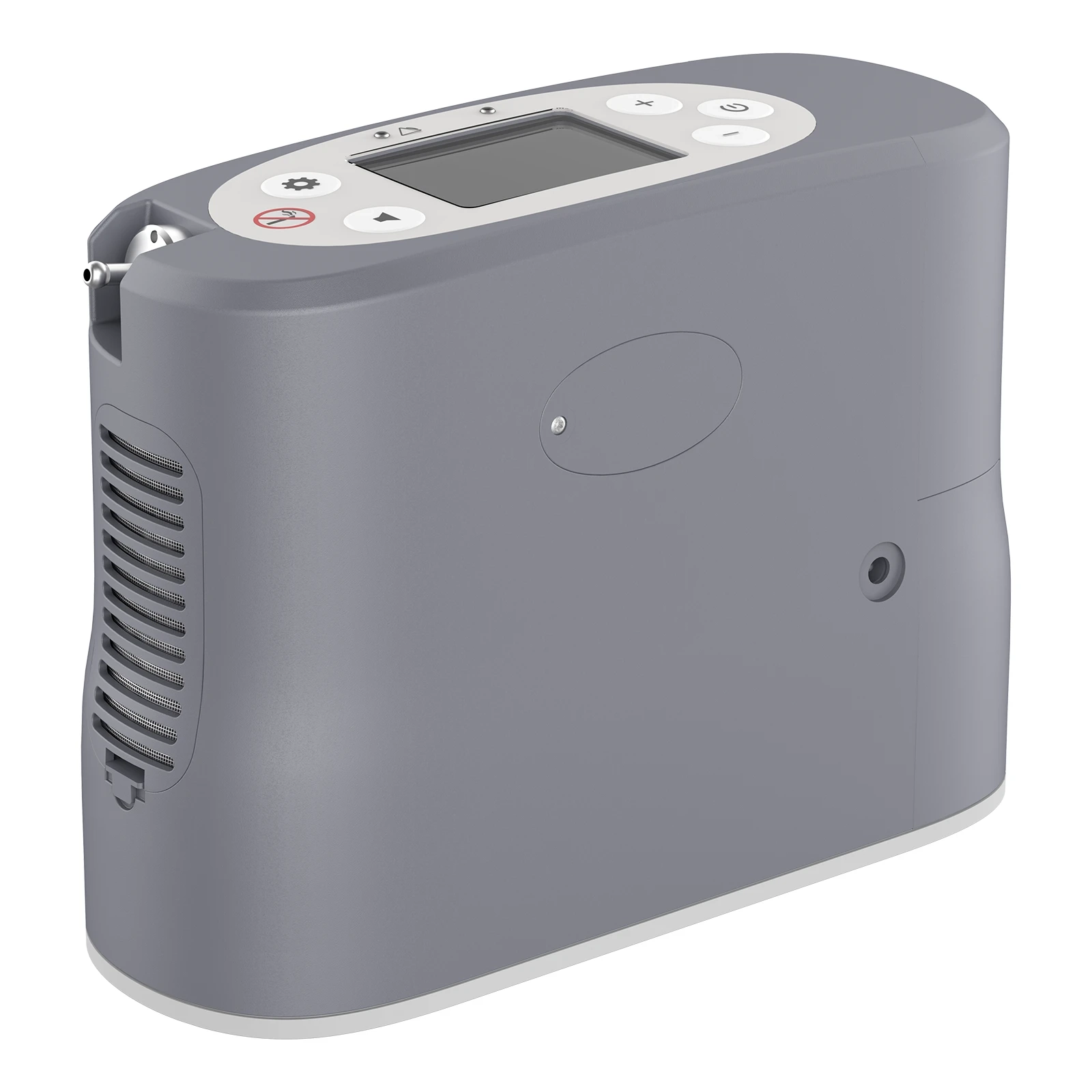
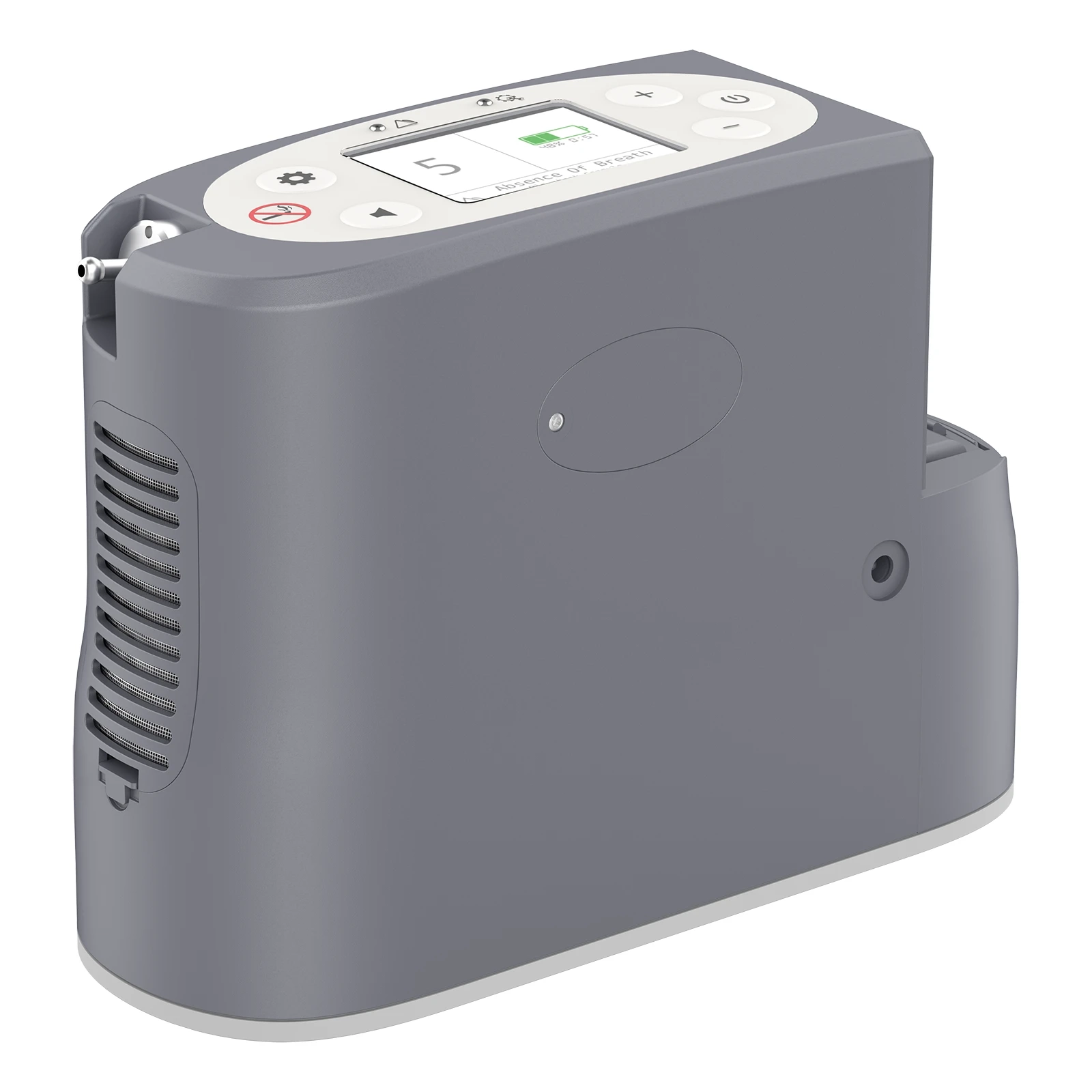
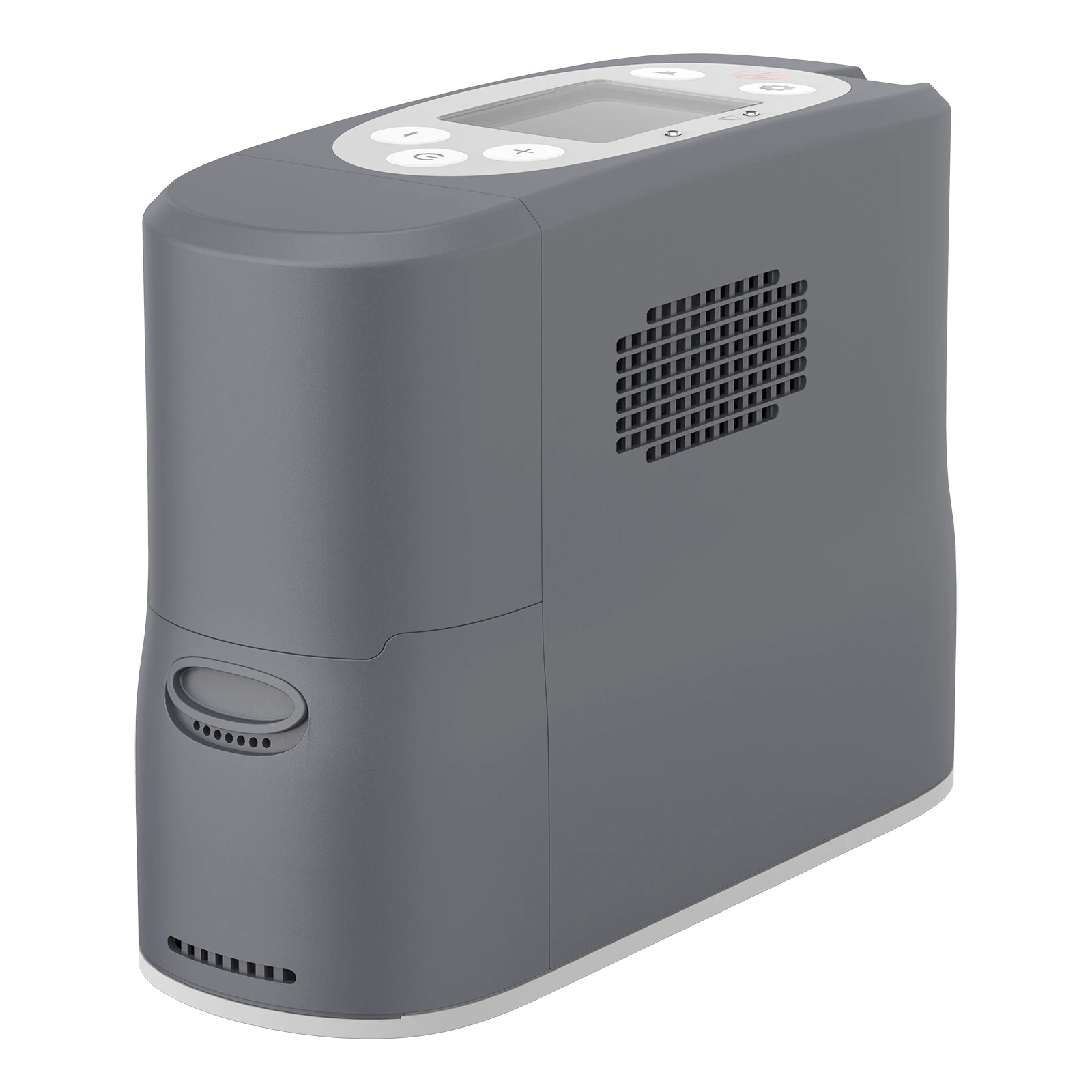

SKU: KINP2E | MPN: P2-E
- Just 1.98kg — carry it one-handed
- Five pulse settings, 90% oxygen throughout
- 37dB at setting 2 — conversation quiet
- Two batteries included, up to 10 hours
- Airline approved and ARTG listed
- Five-year warranty when you register


Delivery location required for AU, please enter a valid postcode.
The Kingon P2-E is a 1.98kg pulse dose portable oxygen concentrator with five flow settings and 90% oxygen concentration at every one. Quiet 37dB operation, two lithium-ion batteries, AC and DC chargers included. ARTG listed and airline approved.
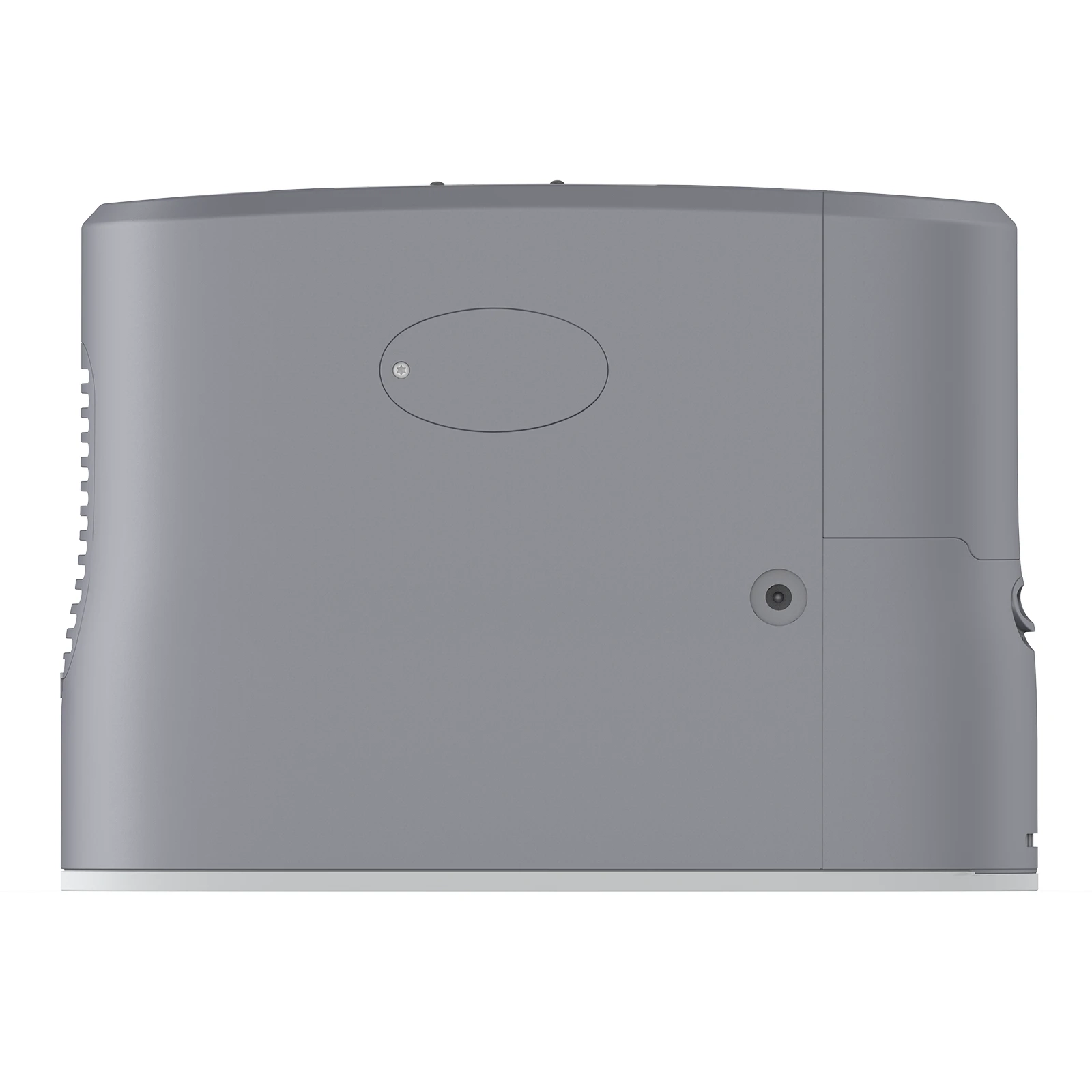
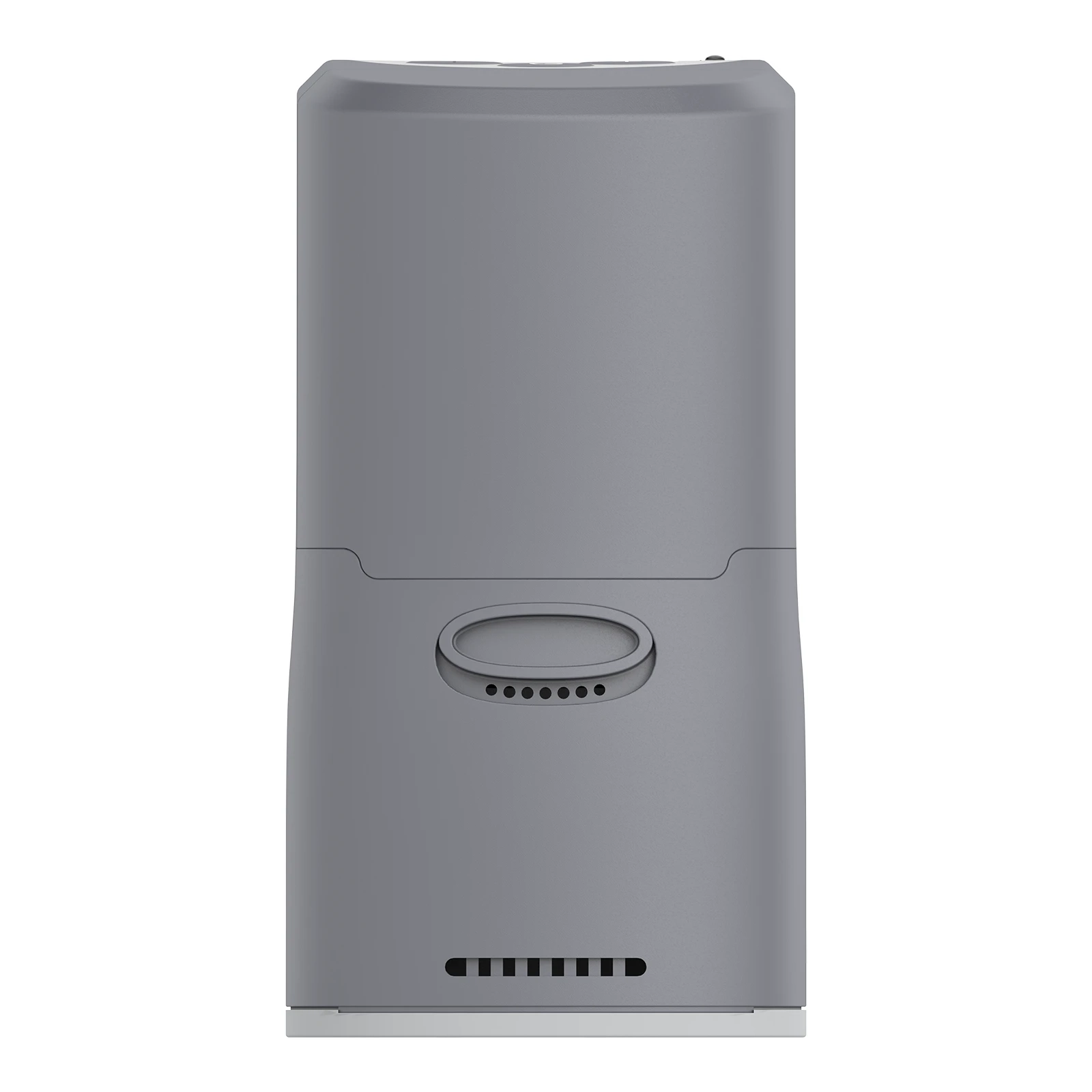
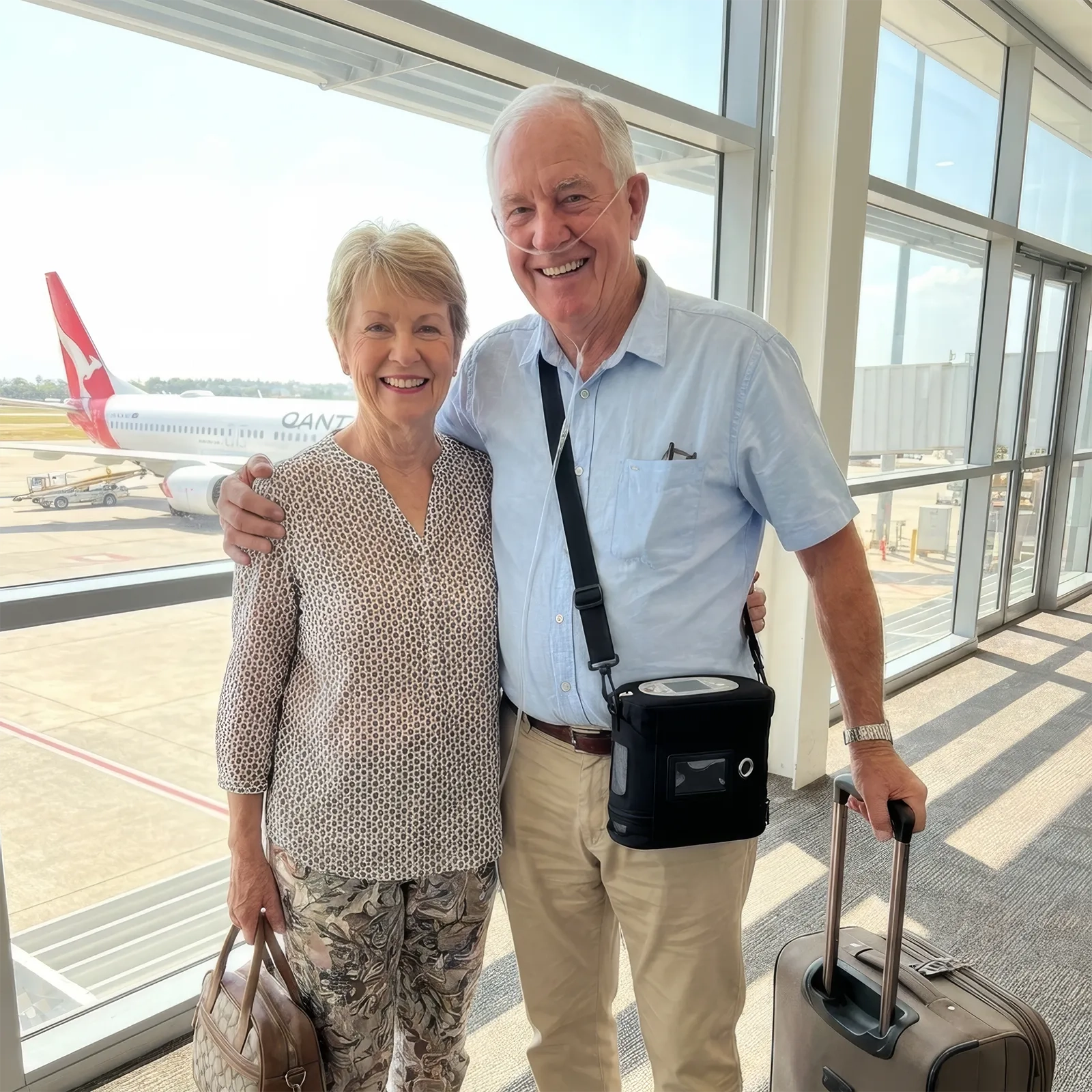
The Kingon P2-E is a pulse dose portable oxygen concentrator that weighs 1.98kg with its battery fitted and comes with a padded carry case and an adjustable strap, so you can wear it over one shoulder like a handbag or across your body — either way, both hands stay free for a suitcase, a trolley or a handrail. It delivers up to 1,000 ml/min of oxygen across five flow settings at 90% concentration, runs at 37 dB(A) on setting 2, and is included in the ARTG. If you have been prescribed supplemental oxygen and want a device that fits your day rather than dictating it, this is the entry point to Kingon's ultra-light P2-E range.
Key Features
- 1.98kg including the battery — at 22.1 × 8.5 × 16 cm it sits at your hip like a small shoulder bag on the included strap, rather than being wheeled along behind you on a cart.
- Five pulse flow settings — up to 1,000 ml/min, approximately equivalent to 5 LPM, with headroom if your prescription is adjusted later.
- 90% oxygen concentration (−3% / +6%) at every setting — the concentration holds at all five settings, so turning the setting up does not dilute what you receive.
- 37 dB(A) at setting 2 — quieter than a normal conversation, so it is comfortable in a cinema, a waiting room or a bedroom.
- Two 6,800 mAh lithium-ion batteries included — swappable in seconds, recharging in roughly four hours from AC or the car.
- Smart breath detection — a sensor triggers a precise bolus at the start of each inhale and adjusts as your breathing rate changes. If no breath is detected it pulses automatically every three seconds.
- Triple filtration and a modular sieve bed — the sieve bed is designed to be swapped without returning the whole device for service.
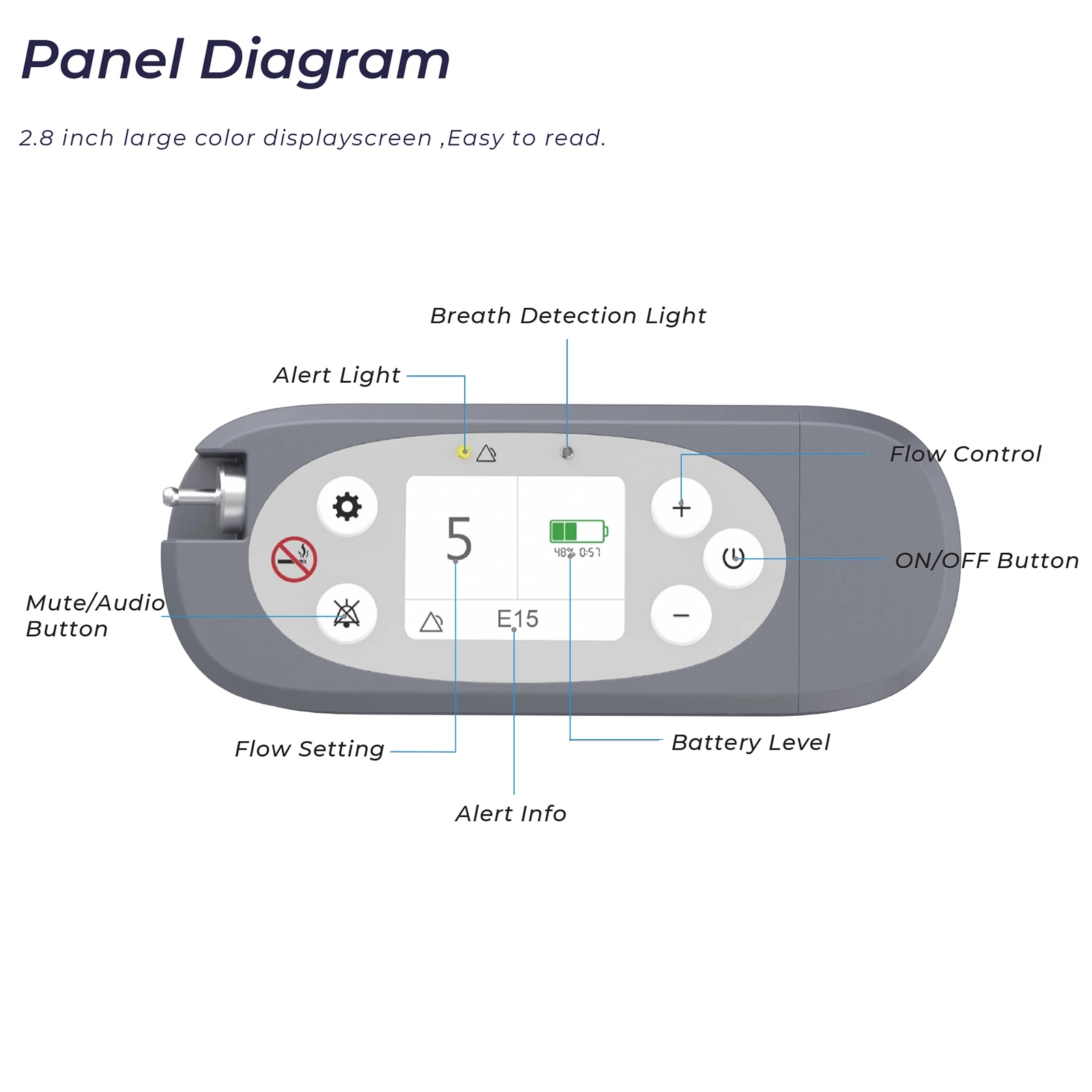
- 24+ alarm types — including low battery, low oxygen concentration and no breath detected. Alarms can be silenced but stay visible on screen, which matters if a carer is nearby.
Kingon P2-E, P2-E6 and P2-E7 Compared
All three share the same 22.1 × 8.5 × 16 cm dimensions, the same 1.98kg weight and the same 37 dB(A) noise level at setting 2. The only thing that changes is how much oxygen they deliver per pulse and how many settings you get. Your prescription decides which one you need — not your budget.
| P2-E | P2-E6 | P2-E7 | |
|---|---|---|---|
| Maximum pulse output | 1,000 ml/min | 1,200 ml/min | 1,400 ml/min |
| Approx. LPM equivalent | 5 LPM | 6 LPM | 7 LPM |
| Flow settings | 1–5 | 1–6 | 1–7 |
| Battery life, setting 1 | 5h | 5h 24min | 7h |
| Weight with battery | 1.98 kg | 1.98 kg | 1.98 kg |
| Noise at setting 2 | 37 dB(A) | 37 dB(A) | 37 dB(A) |
If your prescribed setting is 4 or 5 and unlikely to change, the P2-E is the sensible choice. If you have been told your requirement may increase, or you desaturate on exertion, look at the Kingon P2-E6 or the Kingon P2-E7 instead.
Battery Life at Every Setting
Figures below are per single battery, and two batteries come in the box — so a realistic day out is roughly double these numbers. Actual duration varies with ambient temperature, altitude and your breathing rate.
| Flow setting | Approximate duration (one battery) | With both batteries |
|---|---|---|
| 1 | 5 hours | ~10 hours |
| 2 | 4 hours | ~8 hours |
| 3 | 3 hours 15 minutes | ~6.5 hours |
| 4 | 2 hours 30 minutes | ~5 hours |
| 5 | 1 hour 42 minutes | ~3 hours 25 minutes |
Both an AC supply for the wall and a DC supply for the car are included, so the P2-E can run and charge from the passenger seat on a long drive. If you already travel with CPAP equipment, our guide to travelling with CPAP covers the same power planning questions.
Flying With the Kingon P2-E
The P2-E holds FAA approval and is accepted for both domestic and international air travel, but Australian carriers each have their own paperwork and they want it in advance — not at the gate.
- Qantas requires an authorisation request form, submitted ahead of departure under their medical travel clearance guidelines.
- Virgin Australia requires a medical clearance form and lists approved personal medical equipment separately.
- Airlines generally expect you to carry enough battery for 150% of your total flight time, which is where the second battery earns its place.
- Spare lithium-ion batteries must travel in your cabin baggage, never in checked luggage.
Important: Pulse Dose Oxygen and Sleep Apnea
A portable oxygen concentrator is not a CPAP machine and does not treat sleep apnea. The two therapies solve different problems: CPAP holds your airway open, while an oxygen concentrator raises the oxygen content of the air you breathe. One does not substitute for the other.
The P2-E is a pulse dose device, meaning it releases oxygen only when it senses you inhale. Because breathing becomes shallow and irregular during sleep, pulse dose delivery is generally not prescribed for overnight use — continuous flow is. Do not use the P2-E for sleep unless your prescribing doctor has specifically advised it and confirmed the setting.
The P2-E cannot be used to add oxygen to CPAP therapy. No pulse dose concentrator can. A pulse dose device releases oxygen only when its sensor detects you drawing breath, and inside a pressurised CPAP circuit there is no breath for it to detect — so it will not deliver reliably, or at all. Bleeding oxygen into CPAP requires a continuous flow oxygen source, joined to your circuit through an oxygen port or enrichment adapter. We are adding a continuous flow concentrator to the range shortly — call us on 1300 992 727 if that is what you have been prescribed and we will let you know when it arrives.
Who Is This For?
The P2-E suits someone on a stable, lower-to-mid pulse dose prescription who is still active — walking, shopping, seeing family, getting on a plane — and who has found a cylinder or a stationary concentrator has quietly shrunk their world. It is also a sensible choice for anyone who has struggled with the weight of a 4–5kg concentrator, or who needs a device that a partner or carer can lift and manage easily.
It is not the right device if you have been prescribed continuous flow, if you cannot tolerate a nasal cannula, or if you need oxygen while you sleep. In those cases speak to us before ordering — a continuous flow model will be the correct fit.
What's in the Box
- 1 × Kingon P2-E portable oxygen concentrator
- 2 × lithium-ion batteries (6,800 mAh)
- 1 × standard AC power supply, for charging at home
- 1 × portable DC power supply, for charging in the car
- 1 × carry case with shoulder strap
- 1 × nasal cannula
- 1 × set of 5 air filters
- 1 × user manual
A Kingon backpack and an external battery charger are available separately if you want to charge a spare while the device is in use. Standard inclusions can vary by bundle or current promotion — give us a call if you need a specific configuration confirmed before ordering.
Using Oxygen Safely at Home
Oxygen itself does not burn, but it makes everything around it burn faster and hotter — clothing, bedding, hair, even skin that oxygen has soaked into. The precautions are about the room rather than the machine: three metres between the concentrator and any flame, no candles, smoking or vapes, water-based products only on your face and hands, and nothing covering the intake or vents.
One thing worth doing before your machine even arrives: ring your electricity retailer and register as a life support customer. It is free, it protects your supply from disconnection, it entitles you to written notice of any planned outage, and rebates are available in New South Wales, Victoria and the ACT.
Our full guide to using oxygen safely at home covers fire precautions, electrical rules, blackout planning and what to tell emergency services. A printed copy comes in the box with every concentrator we send.
Warranty and Australian Support
The P2-E carries a three-year standard warranty, extendable to five years free of charge when you register the device with Kingon within 14 days of purchase. The battery and sieve bed are covered for 12 months. Kingon maintains a national Australian support network, so servicing does not mean shipping your device overseas.
The P2-E monitors itself continuously and reports faults as numbered alert codes on its display. If you already own one and need to look a code up, our Kingon P2-E alert codes guide lists all 23 — what each one means, whether the unit will shut itself down, and what to do about it.
Oxygen is a prescription therapy. Supplemental oxygen must only be used in line with a prescription from a qualified medical practitioner. Please confirm with your prescriber that a pulse dose device suits your requirements, and have your setting verified with an oximeter across your normal range of activity — the display setting is not a direct LPM figure, so setting 2 does not equal exactly 2 LPM. A pulse oximeter is worth having alongside any oxygen device so you can check your saturation at rest and on exertion.
| Specification | Detail |
|---|---|
| Oxygen delivery | Pulse dose |
| Oxygen concentration | 90% (−3% / +6%) at all settings |
| Maximum oxygen output | Pulse 1,000 ml/min — approx. equivalent to 5 LPM |
| Flow settings | Five pulse dose settings (1–5) |
| Continuous flow | Not available on this model |
| Weight | 1.98 kg including battery |
| Dimensions (H × W × D) | 22.1 × 8.5 × 16 cm |
| Noise level | 37 dB(A) at setting 2 (Prüfmethode 14-1 10/2018 MDS-Hi) |
| Display | 2.8" backlit colour LCD |
| Battery | 6,800 mAh lithium-ion — two supplied |
| Battery duration | Up to 5 hours per battery on setting 1 |
| Recharge time | Approx. 4 hours via AC or DC power supply |
| Filtration | Triple filtration system |
| Sieve bed | Modular, fast-replaceable design |
| Alarms | 24+ alarm types, including low battery, low oxygen concentration and no breath detected |
| Air travel | FAA approved — accepted for domestic and international flights |
| Regulatory | Included in the ARTG; TGA 321141, FDA and CE |
| Warranty | 3-year standard, extending to 5 years total on registration within 14 days; 12 months on battery and sieve bed |
| SKU | KINP2E |
| Model # | P2-E |
| ARTG # | 321141 |
| Brand | Kingon |
More From This Category