CPAP Mask Cushions & Seals
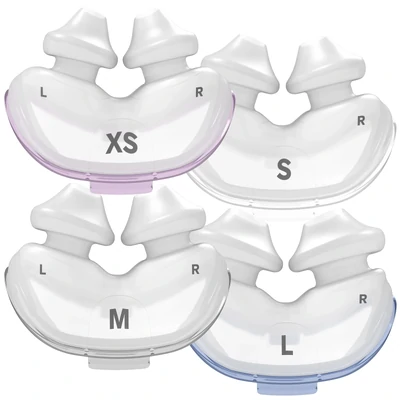
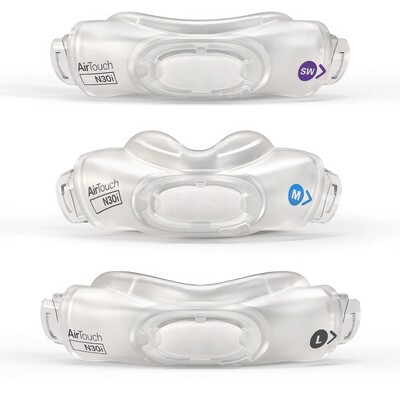
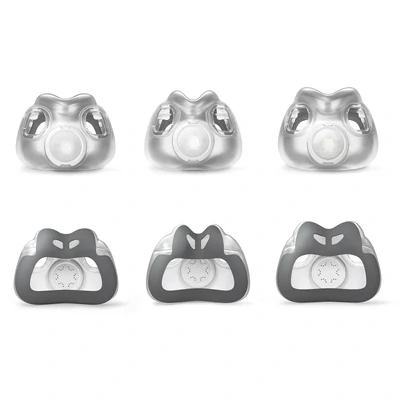
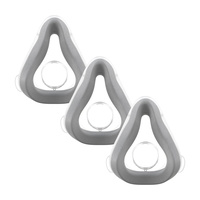
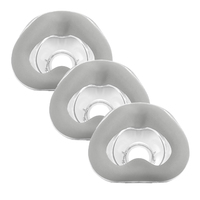
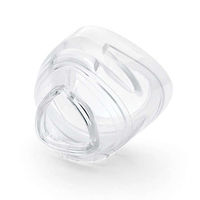
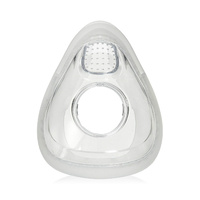
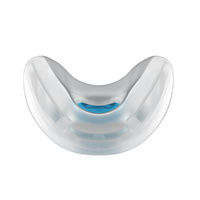
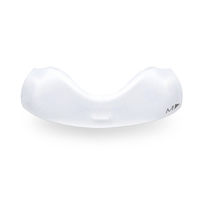
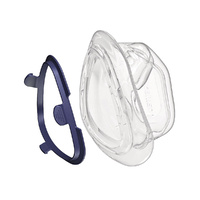
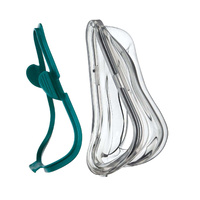
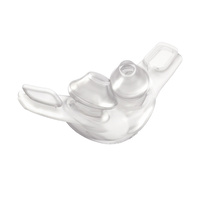
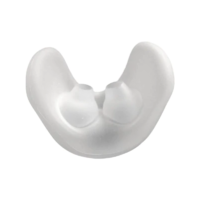
Replacement cushions, seals, and nasal pillows for ResMed, Fisher & Paykel, Philips Respironics, and BMC CPAP masks — the most frequently replaced component in any mask system. Cushions are model-specific and available in multiple sizes; use the brand and cushion size filters in the sidebar to find the correct match for your mask, or upload a photo of your mask if you need help identifying the right part.
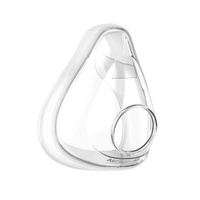
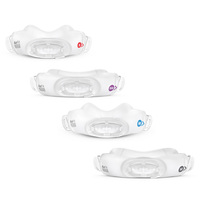
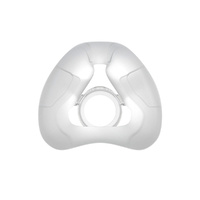
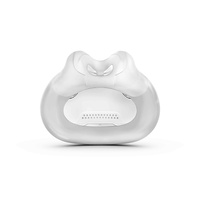
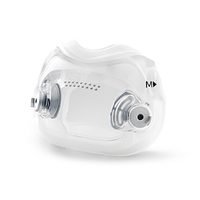
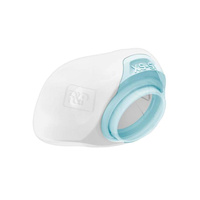
ResMed AirFit F30i Full Face CPAP Mask Cushion
SKU: RESAirFitF30iCUSH
Now from $55.00
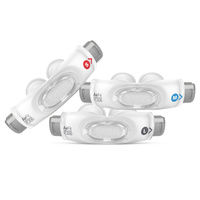
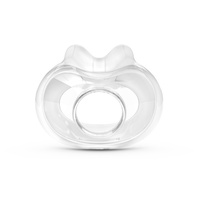
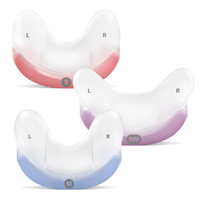
CPAP Cushion & Seal Guide
How often should I replace my CPAP mask cushion?
It depends on the cushion material. Silicone cushions — used on the majority of masks including the ResMed AirFit range, all Fisher & Paykel and Philips masks, and BMC masks — should be replaced every three to six months with regular cleaning. Fabric memory foam cushions, such as those on the ResMed AirTouch F20 and AirTouch N20, absorb skin oils and degrade more quickly and should be replaced monthly. Regardless of material, visible cracking, persistent yellowing, or air leaks that persist despite correct fitting and adjustment are reliable signs a cushion is due for replacement — wear can affect sealing performance before it becomes visually obvious.
My mask is leaking — will a new cushion fix it?
Often, yes. A worn or degraded cushion is the most common cause of persistent mask leaks, and replacing it is the first thing worth trying before adjusting headgear tension or considering a new mask entirely. That said, if your cushion is relatively new and in good condition, the issue may be with the headgear rather than the cushion — stretched or softened headgear can prevent the cushion from sealing correctly even when the cushion itself is fine. In some cases, both components need replacing together. For a full troubleshooting guide, see our CPAP cleaning and care guide.
How do I find the right cushion size for my mask?
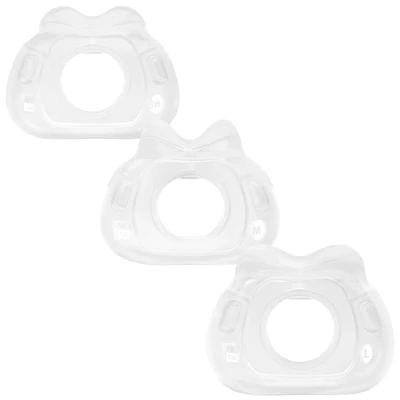
Most masks are available in small, medium, and large cushion sizes — and some models offer additional variants such as small wide (SW). Your current cushion size is usually printed or moulded on the underside of the cushion itself; look for an "S", "M", "L" or similar marking. If it isn't visible, your original mask packaging will list the size, or your sleep specialist will have a record of the size fitted at setup. Ordering the wrong size is the most common purchasing mistake in this category — a cushion that's too large won't seal correctly, and one that's too small will over-compress and cause discomfort. Use the cushion size filter on this page to narrow results once you've confirmed your size, and note that sizes are not standardised across brands or models.